This content has been automatically translated from Ukrainian.
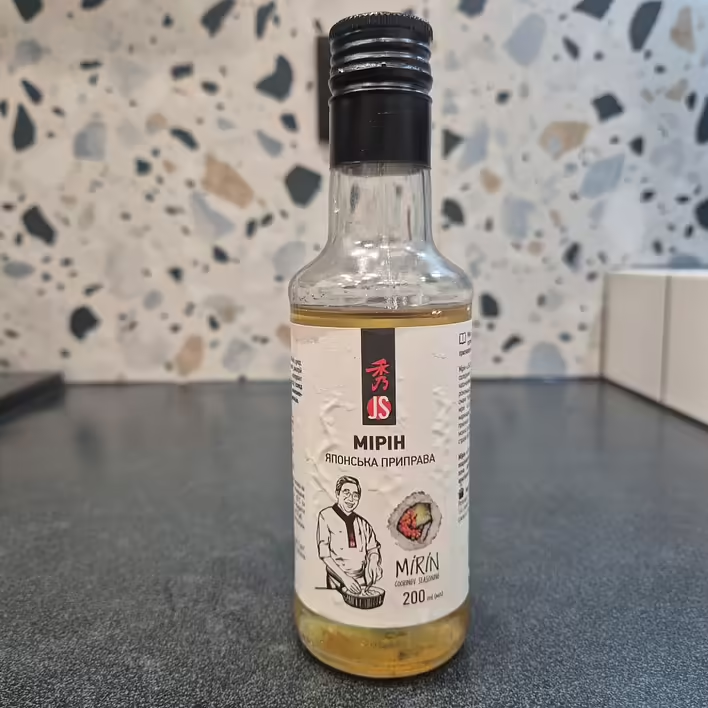
Mirin is one of the most famous Japanese condiments that enriches the flavor of dishes by adding a hint of sweetness. It is a liquid similar to white wine but thicker, with a slight sweet taste. Its popularity has long transcended Japan, and today mirin is an integral part of many cuisines around the world. In this post, we will explore its origins, how it is made, and how it is used in cooking.
History of Origin
The first mentions of mirin appear during the Edo period (1603–1868, you can read more about it here). At that time, it was used as an alcoholic beverage, as it was a sweet rice liqueur consumed as a delicacy during celebrations. Over time, as Japanese cuisine began to develop actively, mirin started to be used not only as a drink but also as a seasoning for dishes. Its ability to add sweetness and enhance the flavor of ingredients made it an indispensable component of Japanese cuisine.
How is Mirin Made?
Mirin is produced through the fermentation of rice, koji (a special type of fungus), and alcohol. The fermentation process lasts several months, during which the starch in the rice is converted into sugar, and the resulting product acquires its characteristic sweet taste and light aroma. The main ingredients for authentic mirin are:
- Moji-gome (glutinous rice);
- Koji (fermented grains);
- Shōchū (Japanese distilled spirit).
Types of Mirin
- Hon mirin — traditional mirin with an alcohol content of 14%.
- Shio mirin — contains salt and is used exclusively for cooking.
- Shin mirin — with reduced alcohol content or completely alcohol-free, popular for home use.
How to Use Mirin in Cooking?
Mirin adds a characteristic sweet flavor to dishes, softens the texture of ingredients, and eliminates unwanted odors, such as those from fish. When frying or baking, it also helps give dishes an appetizing crust, as it has the ability to caramelize at high temperatures.
What Can Be Made with Mirin?
- Teriyaki sauce: one of the most famous Japanese dishes where mirin is mixed with soy sauce, sugar, and other ingredients.
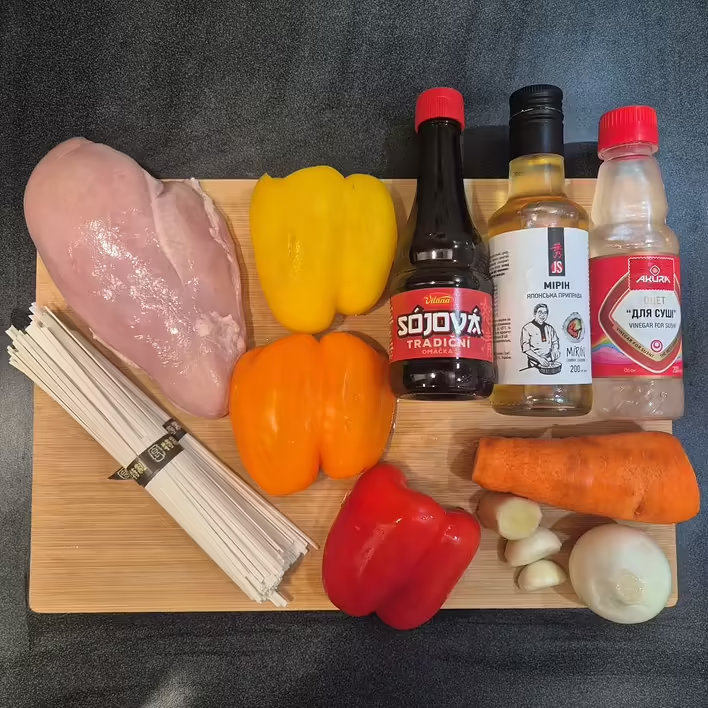
- Marinades for meat and fish: it softens the protein structure and adds sweetness and enhances the aroma of the finished dish. A practical example of its use in marinating chicken can be seen in one of the classic Japanese dishes – fried udon (Yaki Udon).

- Miso soup: just a few drops of mirin will make the soup richer.
- Sushi rice: mirin gives the grains a visual shine and a slight sweet taste.
- Grilling: will give the products that crust we mentioned earlier.
- Mirin is often found in Japanese desserts. It not only adds sweetness but also balances flavors.
Interesting FactMirin is not only a flavoring additive but also a natural preservative. Due to its alcohol content, it helps products stay fresh longer, preserving their freshness and aroma.
What Can Replace Mirin?
If you don't have mirin, you can substitute it with a mixture of dry white wine or apple cider vinegar with sugar (in a ratio of 2:1). However, authentic mirin has unique properties that are difficult to replicate at home.
Mirin embodies the Japanese philosophy of taste: minimalism, balance, and naturalness. By adding it to a dish, you can not only make it tastier but also feel the spirit of Japanese culinary culture. Cook with pleasure!
Like it?React
🧵
This post doesn't have any additions from the author yet.