Balsamic vinegar and balsamic sauce are two popular dressings that add depth of flavor to dishes in the form of sweet and sour notes. Despite their common origin and similarity in use, they have significant differences in both production processes and characteristics. In this post, we will try to delve deeper into what these products are, examine their properties, and explore their uses in cooking.
Balsamic Vinegar: History, Production, and Use
Balsamic vinegar (from Italian aceto balsamico) originates from Italy, specifically from the Modena region, and is one of the oldest and most revered types of vinegar in the world. Its history dates back to the Middle Ages when it was used not only as a condiment but also as medicine due to its antiseptic properties.
How is balsamic vinegar made?
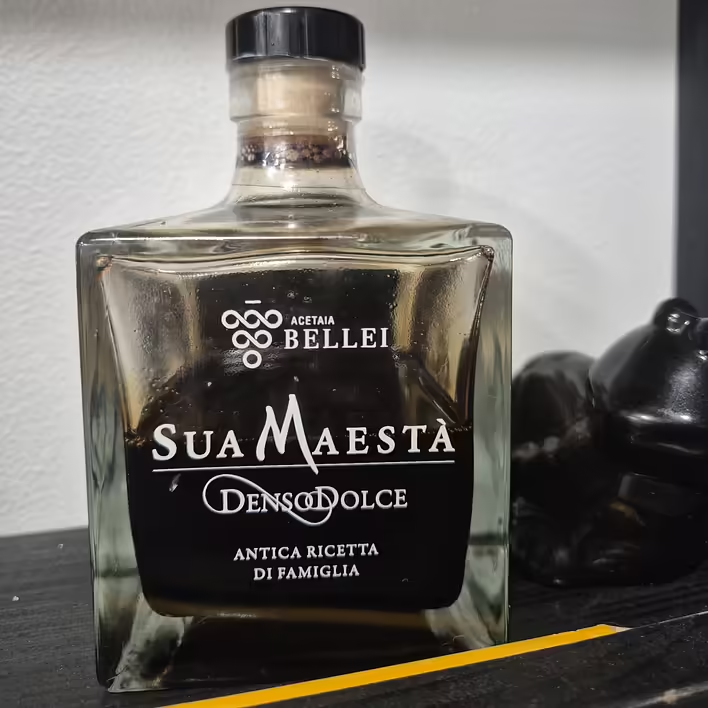
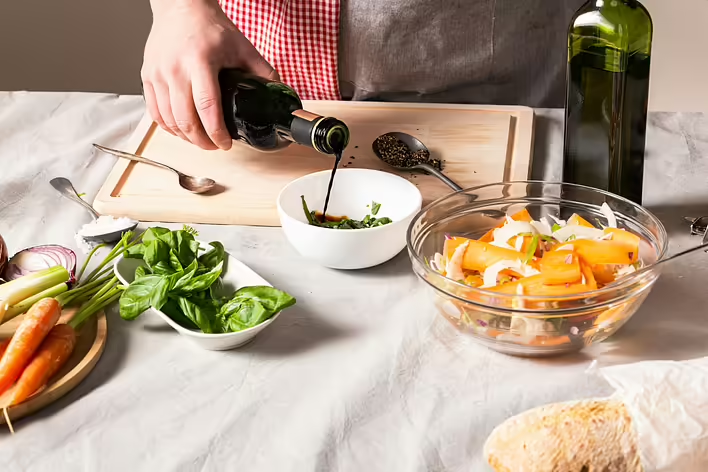
The base of balsamic vinegar is grape must obtained from fresh grapes (usually varieties like Trebbiano or Lambrusco). It is cooked down to thicken, then fermented and aged in wooden barrels. The aging process can last from months (for industrial budget versions) to years. For example, the aging of traditional balsamic vinegar (Aceto Balsamico Tradizionale) can be up to 12 years. Accordingly, the price of a 250 ml bottle will be no less than that of a 0.7 bottle of whiskey of similar aging. Balsamic vinegar has a thick, somewhat syrupy texture, a rich dark brown color with a caramel sheen, a sweet-sour taste with rich woody notes, and a pronounced aroma. It is used for dressing salads, marinades, sauces, and for creating culinary compositions with meat, fish, cheese, or fruits.
Types of Balsamic Vinegar:
traditional balsamic vinegar (Aceto Balsamico Tradizionale): produced only in Modena or Reggio Emilia, has DOP (Protected Designation of Origin) labeling;
industrial balsamic vinegar (Aceto Balsamico di Modena): produced more quickly, may include additives such as caramel to enhance flavor and color.
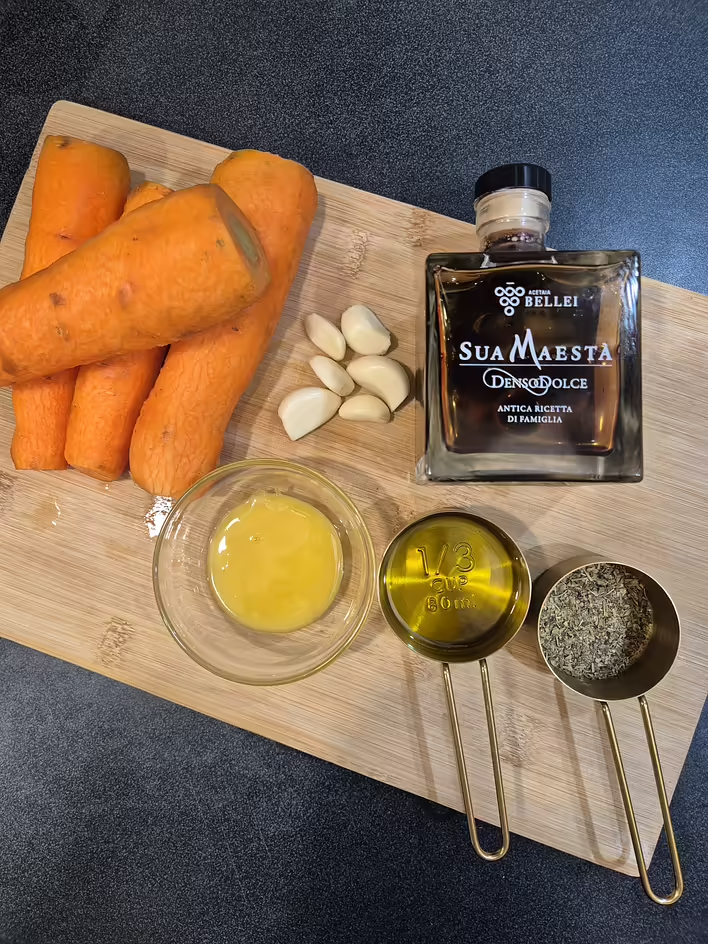
бальзамічний оцет як основа маринаду для приготування пряної запеченої моркви
Balsamic Sauce: Features and Use in Cooking
Balsamic sauce is a derivative product created from balsamic vinegar. It is thicker and sweeter, making it perfect for decorating dishes and creating delicate accents in flavor compositions.To prepare it, sugar, honey, or corn syrup is added to the base of balsamic vinegar to enhance sweetness. For thickening, manufacturers may also use starch or pectin. This mixture is cooked until the desired thickness is achieved. The result is a sauce with an intense sweet-sour (here, the emphasis shifts from sweet and sour to sweet and sour) flavor and a glossier, more syrupy texture. Balsamic sauce is also used for decorating dishes (for example, creating patterns on plates), dressing salads, and hot dishes. It is also a good complement to desserts such as ice cream, panna cotta, or even fruit platters.
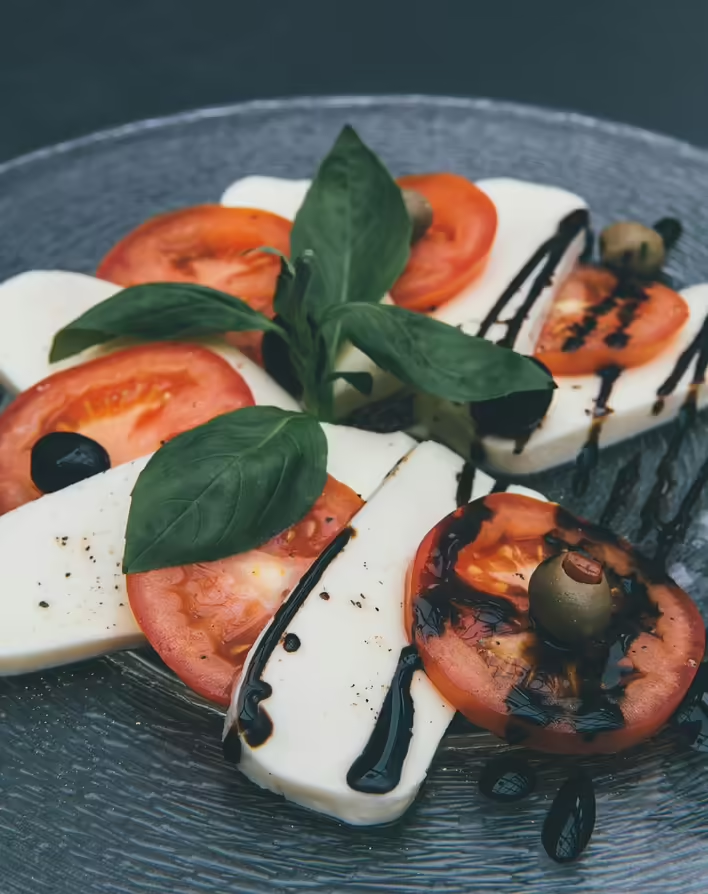
капрезе, декорований бальзамічним соусом
What do Balsamic Vinegar and Balsamic Sauce Have in Common?
origin: both products come from the Italian region of Modena;
flavor profile: both have a similar sweet-sour taste, although in the sauce it is usually more intense;
area of use: both vinegar and sauce can be used for dressings, marinades, and decorating dishes.
How to Choose the Perfect Product?
If you are looking for a refined condiment for salads or marinades, choose traditional balsamic vinegar.For desserts or decorating dishes, balsamic sauce is best due to its thick texture and sweetness.Thus, we can conclude that balsamic vinegar and sauce are versatile products that complement both everyday and festive dishes. Their proper use will help highlight the flavor of dishes of any complexity, whether homemade or restaurant-style, and add a touch of Mediterranean elegance to them.Happy experimenting in the kitchen! ;)