This content has been automatically translated from Ukrainian.
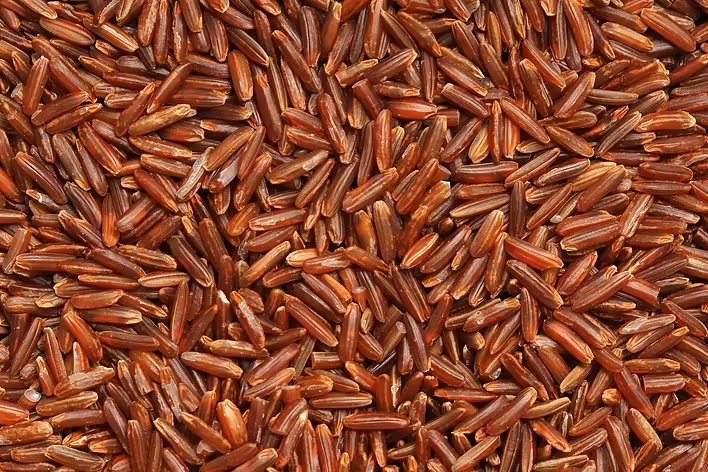
Red rice is quite an interesting, nutritious, and beneficial exotic grain that is increasingly appearing on the shelves of Ukrainian supermarkets. There is often confusion about it: many people think it is similar to brown rice or even confuse the two types. Let's figure out what red rice is, how it differs from brown rice, how to store it properly, and what can be cooked from it.
Red or brown rice: how to tell them apart?
At first glance, red and brown rice look similar, but there are important nuances:
- color: red rice has a rich reddish-brown hue due to anthocyanins, while brown rice appears paler;
- taste: red rice has nutty notes and a slight sweetness, while brown rice is more neutral;
- texture: when cooked, red rice is denser and holds its shape better;
- nutritional value: red rice is richer in antioxidants than brown rice due to its natural husk.
Origin and benefits
Red rice is primarily grown in Asia: Thailand, India, China, and Sri Lanka. There, it has long been a part of traditional cuisine. For example, in Thailand, this rice is used to prepare festive dishes, and in India, it even has cultural and religious significance.
Its popularity is easy to explain:
- rich in fiber, which improves digestion;
- contains antioxidants (anthocyanins) that protect cells, tissues, and the body as a whole from aging;
- includes magnesium, iron, and B vitamins that support the heart, immunity, and nervous system;
- is low-calorie, making it an ideal choice for those watching their figure.
How to store red rice properly?
Storing red rice depends on the packaging:
- if the rice is vacuum-sealed, it can last significantly longer (for a year or more) than indicated by the manufacturer (this has been verified by personal experience, but we do not intend to encourage anyone to conduct such experiments);
- if the product is in regular packaging, follow the expiration date indicated by the manufacturer.
If you have vacuum-sealed red rice that is past its expiration date, do not rush to throw it away. Boil a small amount, try it — if it is not bitter, it can be used.
It is best to keep rice in an airtight container, in a dry and cool place, to protect it from moisture and insects.
What to cook with red rice?
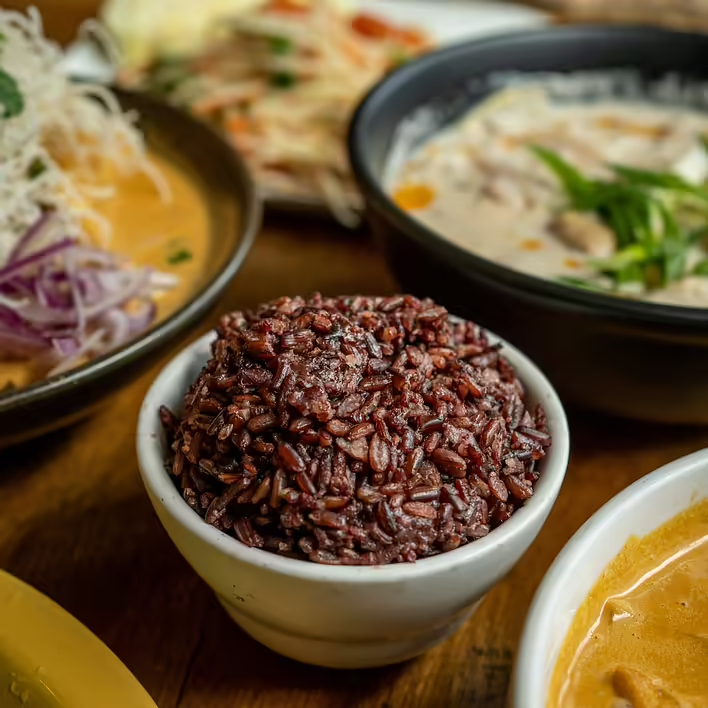
This rice pairs wonderfully with many ingredients and opens up a multitude of culinary possibilities. In Asian countries, it is often used to prepare traditional dishes:
- Thai red rice with vegetables: the rice is sautéed with garlic, ginger, and vegetables, and a bit of soy sauce is added;
- Indian pulao: a combination of rice with spices (cardamom, turmeric), nuts, and dried fruits;
- rice with coconut milk: a classic of Southeast Asia;
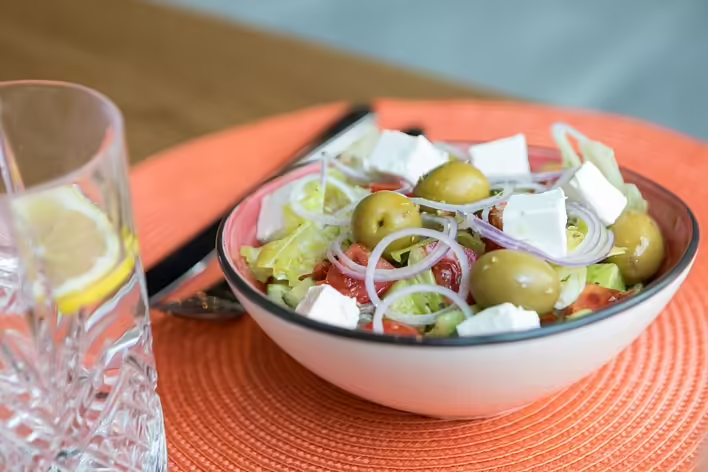
- salads: mix cooked rice with greens, avocado, lemon juice, and sesame. It's easy, quick, and healthy.
Red rice also tastes great with seafood, chicken, mushrooms, or even tropical fruits (pineapple and mango).
Like it?React
🧵
This post doesn't have any additions from the author yet.