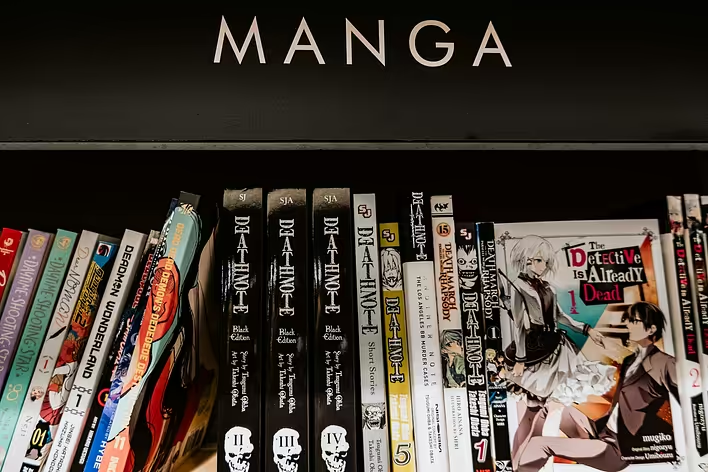
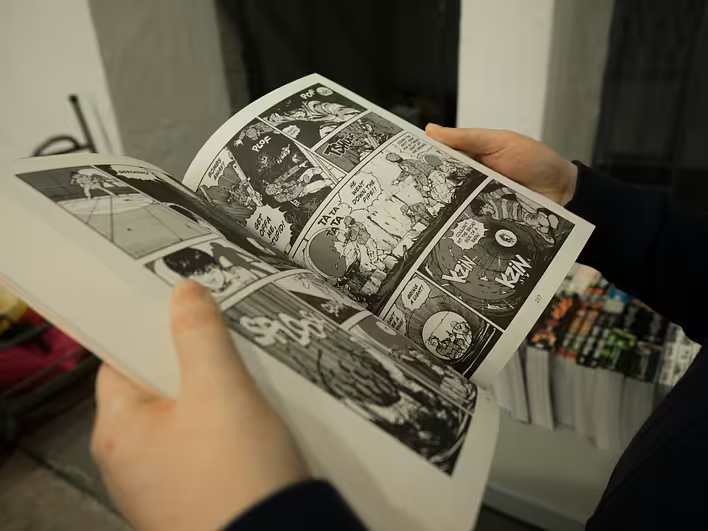
On the shelf of a bookstore, manga looks like a regular series of small books: the spines display numbers, the covers feature various characters, and the story transitions from one volume to the next. However, in Japan, such a book is often not the first publication of a work. Initially, individual chapters may be released in a magazine or on a digital platform, and only later are they compiled into a tankōbon.
That is why this word often appears in descriptions of manga: "the series is collected in 12 tankōbons," "the first tankōbon will be released in the fall," or "for the tankōbon, the author redrew several pages." But what does this term actually mean?
What is a tankōbon
Tankōbon is a Japanese publishing term written as 単行本, and in Latin script, it is tankōbon. It can be roughly translated as "a separate book" or "a standalone book edition."
In Japan, this word is used not only for manga. A tankōbon can be a prose work, a collection of essays, a documentary book, or another work published as a separate volume. However, outside of Japan, the term has taken on a narrower meaning. When manga fans talk about tankōbon, they usually mean a separate printed volume that collects several chapters of one work.
Thus, a tankōbon is not a genre or a special type of manga, but a format of its publication. A detective, romantic, adventure, or fantasy story can all be published as tankōbons.
From magazine chapter to separate volume
The traditional Japanese model of manga publication is noticeably different from what novel readers are accustomed to. Many series initially appear in parts in large anthologies—weekly, bi-weekly, or monthly magazines. One issue of such a magazine contains new chapters from several works by different authors.
For example, a manga may receive one new chapter each week. When enough material accumulates, the publisher compiles several consecutive chapters into a separate book. This is how a tankōbon dedicated not to the entire magazine but to a specific series appears.
One of the most famous lines of such publications is Jump Comics, under which the publisher Shueisha releases volumes of many series from the Jump family of magazines. It is in the tankōbon format that separate volumes of One Piece, Jujutsu Kaisen, Chainsaw Man, and many other popular works are published in Japan. You can view such publications in the official catalog of Shueisha.
Today, magazine publication is no longer a mandatory stage. Chapters can initially be released on publishers' websites and in mobile applications, and then similarly compiled into printed volumes.
What is included in a tankōbon
A typical tankōbon most often contains several consecutive chapters of manga. The number of chapters depends on the length of individual episodes, the publication schedule, and the publisher's decision. Therefore, one volume can cover either a small fragment of the plot or an almost complete story arc.
In addition to the main chapters, the book may sometimes include:
additional illustrations;
short bonus stories;
an afterword by the author;
character profiles;
sketches and early design variants;
jokes and addresses to readers;
explanations regarding the creation of specific scenes.
Such materials are not always published in the magazine version, so a tankōbon can be of interest even to those who have already read all the chapters during their initial release.
Is a tankōbon different from the magazine version?
Before publishing a volume, the author and the editorial team may review the material once more. In a tankōbon, typographical errors, inaccuracies in illustrations, inconsistencies in dialogue, or unfortunate details in composition are sometimes corrected. Some pages are partially redrawn, and dialogues are clarified.
However, it should not be assumed that every tankōbon is a significantly revised version. Often, changes remain minimal and unnoticed by most readers. Their scale depends on the author, the publisher, the work schedule, and the specifics of the particular series.
During magazine serialization, manga artists often work under very tight deadlines. The preparation of a book edition allows for the correction of at least some shortcomings that could not be fixed before the first publication of the chapter.
What does a tankōbon look like?
There is no single mandatory size for all tankōbons, although manga is often printed in a relatively compact format. A typical volume has a soft cover and mainly a black-and-white main block. Its volume can be around 180–220 pages, but this is just a common guideline, not a strict rule.
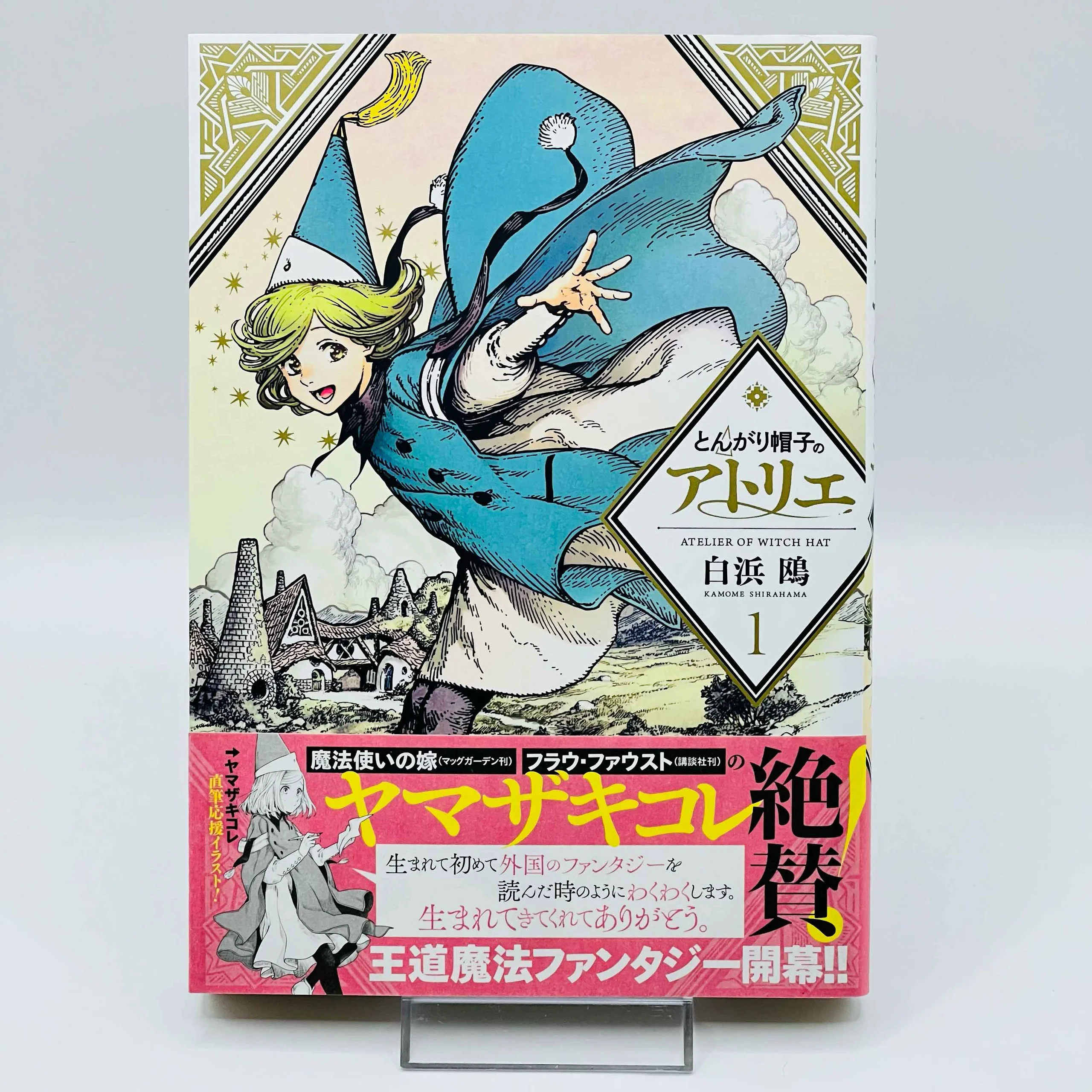
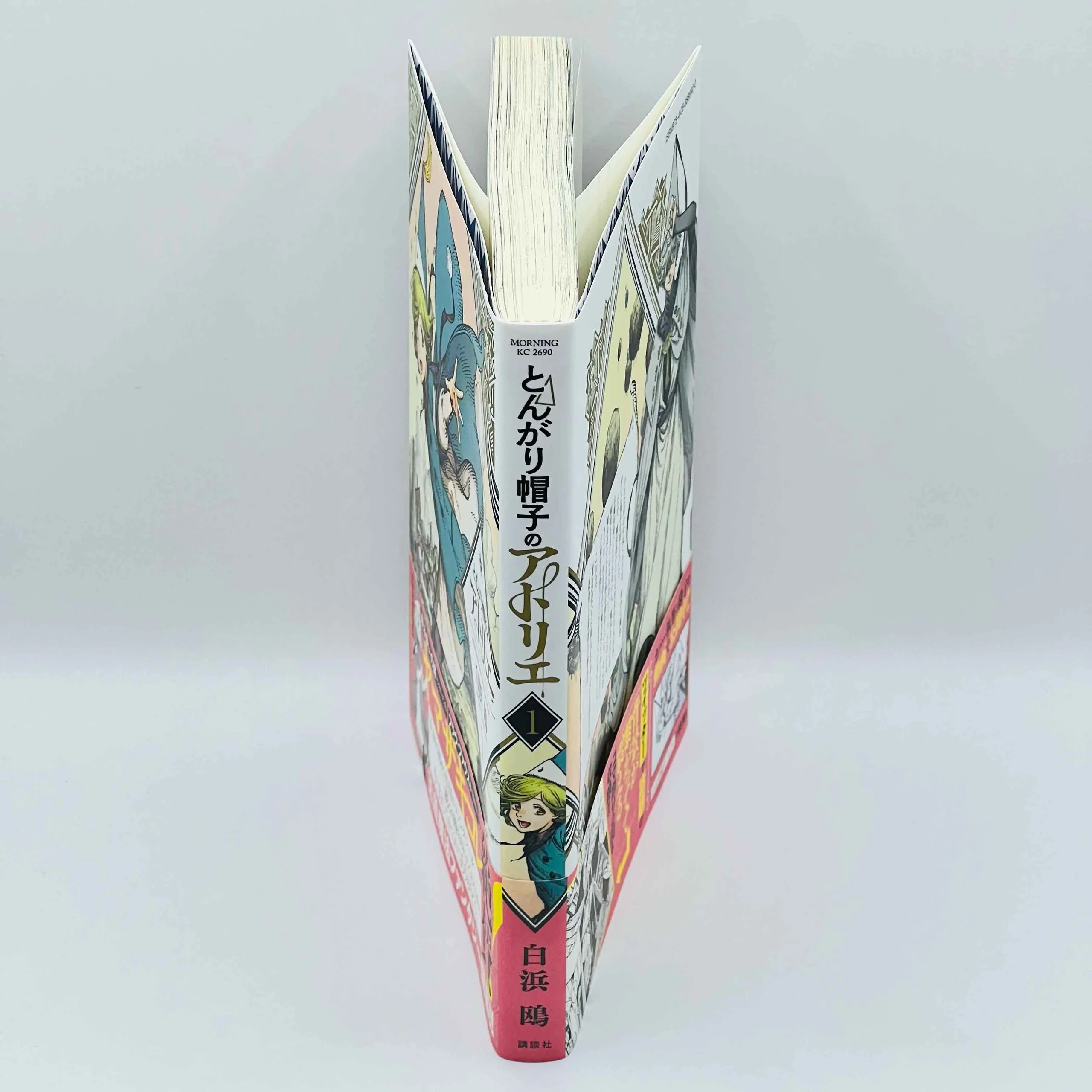
Japanese editions often have a paper dust jacket, under which there is another, simpler cover. A narrow promotional strip—obi—may also wrap around the book. It contains information about the print run, awards, adaptations, recommendations, or the release of the next volume.
Colored pages that were in the magazine version may become black-and-white in a standard tankōbon. Whether the color is preserved depends on the specific edition. In more expensive reprints, such pages are often restored.
рекламна смуга — обі
рекламна смуга — обі
Is a tankōbon, volume, and omnibus the same?
In conversation, the words "tankōbon" and "volume" can often be used interchangeably when referring to a standard Japanese edition of manga. For example, the phrases "the series consists of twenty volumes" and "the manga is collected in twenty tankōbons" convey almost the same information.
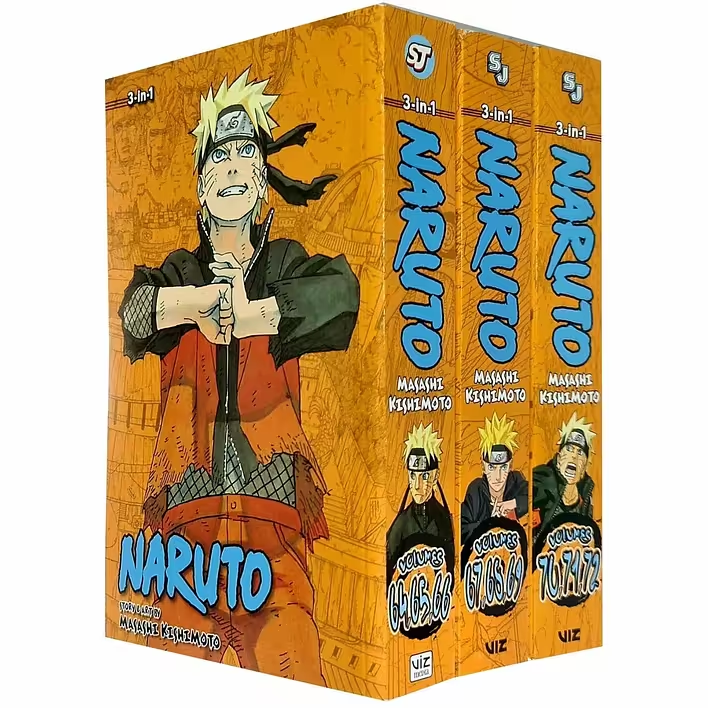
An omnibus is a somewhat different format. It combines material from several standard volumes under one cover, most often two or three. Therefore, the label "3 in 1" usually means that one large book contains the material from three original tankōbons. There will be fewer physical books in such an edition, although the story itself is not shortened.
Not every Ukrainian or English volume accurately reproduces the Japanese tankōbon. A foreign publisher may change the page size, cover type, paper quality, or combine several original volumes into one. Therefore, when collecting, it is worth looking not only at the book number but also at which specific edition is used as the basis.
Омнібус
What other manga editions are there?
After the completion or significant success of a series, it may be reissued in another format. Alongside tankōbons, several Japanese terms are often mentioned.
Kanzenban (kanzenban, 完全版) — literally "complete edition." This refers to a new edition of a completed manga that is presented as more complete or improved compared to standard volumes. It may have a larger format, new covers, restored color pages, author corrections, and materials absent in the previous edition. However, the specific set of changes is determined by the publisher: the term "kanzenban" does not guarantee the presence of all these features.
Aizōban (aizōban, 愛蔵版) — literally "edition for careful storage," meaning a collectible or gift edition. It usually focuses on the quality of the presentation: paper, binding, dust jacket, case, and other decorative elements. Aizōban often costs more than regular volumes but does not necessarily contain a more complete version of the work. This is how it conceptually differs from kanzenban: the former emphasizes collectible value, while the latter emphasizes the completeness of the edition. In practice, their features may overlap.
Bunkoban (bunkoban, 文庫版) — an edition in a compact bunk format, usually close to Japanese A6. In the case of manga, this is most often a pocket reissue of an already completed work. One bunkoban often contains more chapters than a standard tankōbon, so the entire series may consist of fewer books. However, a larger volume is not a mandatory feature of the format itself.
Wide-ban (wide-ban, ワイド版) — literally "wide edition," meaning a book of larger format compared to a standard volume. Manga in wide-bans is often reissued with enlarged pages and more material in each book, which can result in the series occupying fewer volumes. However, the main feature of a wide-ban is the increased format itself, not necessarily the combination of several tankōbons.
Shinsōban (shinsōban, 新装版) — "edition with new design" or simply a renewed reissue. It often receives a new cover and may be released on the occasion of an anniversary, adaptation, or return of the work to sale. Sometimes the publisher adds color pages, author corrections, or bonus materials, but these are not mandatory features of a shinsōban.
For example, the same manga can be released in several such variants. Urusei Yatsura was initially published in 34 standard volumes, later in 15 enlarged wide-bans, 17 compact bunkobans, and again in 34 shinsōbans with new covers. This clearly shows that the names describe not the status of the manga itself but a specific way of its reissue.
The boundaries between these categories are not always absolutely clear: the design and packaging depend on the publisher and the specific series. The main point is that a tankōbon is usually a standard book edition, while other names often denote later, more compact, enlarged, or collectible versions.
For the Japanese manga industry, tankōbon is not just a convenient packaging for already published chapters. It is in the form of separate volumes that the series reaches bookstores, forms home collections, receives translations, and is reissued in other countries. A magazine issue may eventually disappear from sale, but a tankōbon remains on the shelf—as a full-fledged part of a grand story.