This content has been automatically translated from Ukrainian.
Deredere (デレデレ, Deredere) is one of the most well-known archetypes of characters in anime, manga, and visual novels. This term refers to a hero or heroine who openly demonstrates their affection, care, and love for the person they like. Unlike many other dere-types, deredere do not hide their feelings behind indifference, coldness, or aggression. They are sincere, affectionate, and unashamed to show their emotions.
Deredere often embody the image of a friendly, cheerful person who seeks to support their loved ones, make them happy, and openly express their feelings. Because of this, they are often called the warmest and friendliest archetype among all dere.
At the same time, deredere should not be confused with simply good characters. The main feature of this archetype is the open expression of romantic affection. A character can be cheerful, shy, strong, or even combative, but if they sincerely and unhesitatingly show their love, their behavior corresponds to the deredere archetype.
Origin of the Name
The name deredere comes from the Japanese word デレデレ (deredere), which describes a person who is so in love or enchanted by someone that they literally "melt" from their feelings. In the Japanese language, this word denotes a state where a person openly shows tenderness, affection, and sympathy without trying to hide their emotions. This meaning is the basis for the name of the deredere archetype.
Unlike most other dere archetypes, the word deredere is not formed by combining two different concepts. It is itself a basic term from which the second part of the names tsundere, yandere, kudere, dandere, kamidere, maidere, oujidere, and many other archetypes derive.
In fact, the word dere has become a kind of designation for a character's romantic affection, while the first part of each archetype's name describes how this affection is expressed. In the case of deredere, there are no additional traits — the character openly shows their feelings from the very beginning, without hiding them behind other behavioral models.
History of the Archetype's Emergence
Deredere does not have a specific "first representative." This is because the archetype itself is one of the most natural and oldest in Japanese popular culture.
Characters who openly expressed love and affection appeared in manga and anime long before the term deredere itself emerged. However, they were rarely distinguished by a separate name, as such behavior was considered "ordinary" against the backdrop of more vivid archetypes.
The situation changed at the beginning of the 21st century when character classification by dere types gained popularity among anime fans. Initially, the most attention was given to tsundere, and a little later to yandere, kudere, and dandere. Eventually, there arose a need to separately name characters who had no hidden side to their personality and immediately openly demonstrated their affection. Thus, the term deredere became established in fan circles.
Interestingly, today many anime researchers and fans consider deredere not only as a separate archetype but also as a basic state of being in love that other characters can reach. For example, a tsundere may start to behave like a deredere after a long period of denying their feelings. Such changes can also be seen in dandere or kudere, when they gradually open up to a close person.
That is why deredere occupies a special place among all dere archetypes. While most of them describe a certain internal conflict or a way of hiding emotions, deredere, on the contrary, symbolizes the moment when feelings no longer need to be restrained. Love, care, and tenderness become a natural part of the character's behavior.
Main Traits of Deredere

Although each character has their own personality, most deredere can be easily recognized by their behavior. They are not afraid to show their feelings, willingly spend time with their loved ones, and genuinely rejoice in their successes. For them, romantic relationships are primarily built on trust, care, and mutual support.
The most characteristic traits of deredere include:
- Open expression of feelings. Deredere do not hide their affection and do not pretend to be indifferent. They may directly speak about their emotions or show them through care and attention.
- Friendliness. Such characters usually find it easy to get along with others, rarely conflict, and try to maintain a friendly atmosphere.
- Caring. They are attentive to the needs of their loved ones, often help others, and genuinely care about their well-being.
- Optimism. Deredere often remain cheerful even in difficult situations. Their positive attitude helps support other characters.
- Emotionality. They do not hide their joy, excitement, or enthusiasm. That is why their reactions seem natural and sincere.
- Devotion. If a deredere falls in love, they usually remain very loyal to their feelings and are ready to support their loved one even in tough times.
At the same time, it would be a mistake to think that all deredere are the same. Among them, one can find both quiet and calm heroes and very energetic or even eccentric characters. The archetype is defined not by temperament but by how a person expresses their romantic affection.
Another feature of deredere is that their feelings almost never become a source of dramatic conflicts. While tsundere hide love behind harshness, and yandere can become dangerously obsessed, deredere usually demonstrate healthy and sincere relationships. That is why such characters often become an emotional support for the main character and create an atmosphere of warmth and mutual trust in the plot.
How Deredere Differs from Other Dere Archetypes
At first glance, it may seem that deredere is just a kind, smiling person. In reality, however, this archetype is defined not by character but by the way romantic feelings are expressed. This is what distinguishes it from other representatives of the dere family.
The closest to deredere is considered to be tsundere. The difference is that tsundere initially hide their affection behind rudeness, sharp words, or feigned indifference. Deredere, on the other hand, see no point in hiding their feelings and openly demonstrate them from the very beginning.
They can also be easily confused with dandere, but only at first glance. Dandere are often shy, silent, and take a long time to confess their feelings due to insecurity or introversion. Deredere, on the contrary, do not feel the need to hide their emotions and willingly show their affection.
The difference between deredere and kudere is even greater. Kudere remain reserved and cold even next to their loved ones. Their feelings are expressed very cautiously and often become noticeable only over time. Deredere, however, usually smile sincerely, openly talk about their emotions, and are not afraid to show tenderness.
The most striking contrast is observed between deredere and yandere. Both archetypes can be very devoted to their loved ones, but while deredere build relationships on trust, care, and mutual support, yandere can become jealous, manipulative, or even violent due to obsession.
It is also worth mentioning maidere. Unlike deredere, maidere is not a widely recognized classic archetype. Such characters often behave unusually or have their own traits that do not fit into other categories. Deredere, however, is one of the basic and most common types, understandable to almost every anime fan.
Deredere often becomes the final stage of development for other dere archetypes. For example, a tsundere may start to behave like a deredere after a long period of denying their feelings, openly demonstrating love and care. Similar transformations sometimes occur in dandere or kudere when they fully trust their partner.
That is why deredere is often called the least conflictual dere archetype. Its foundation is not internal struggle but sincere and open love.
Most Famous Examples of Deredere Characters
Although the traits of deredere can be seen in many heroes, there are not so many truly classic representatives of this archetype. The reason is simple: most romantic characters combine several dere types at once or change throughout the plot. Below are characters most often referred to as examples of classic deredere.
Belldandy (Oh! My Goddess)
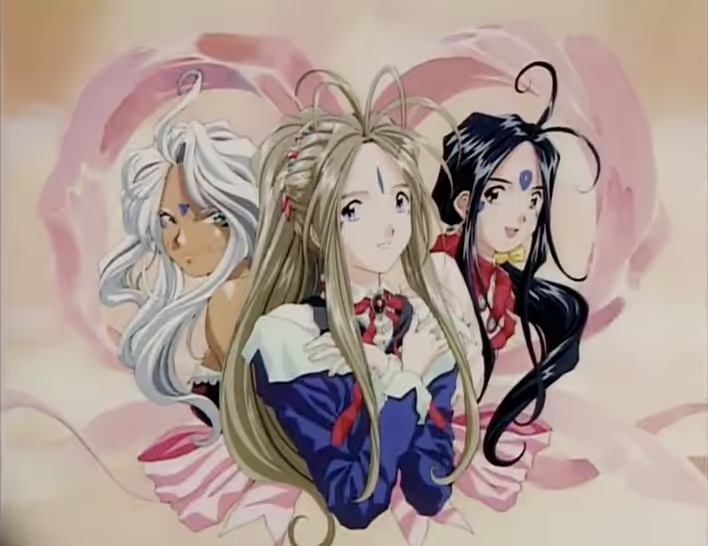
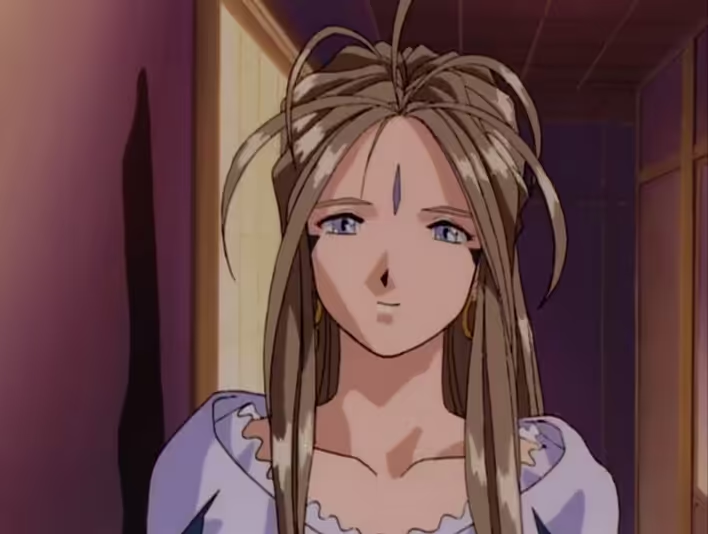
Belldandy is one of the most famous and oldest examples of deredere. She is kind, gentle, patient, and extremely attentive to others. Her feelings for Keiichi Morisato are sincere and open from the very beginning, without any feigned coldness or aggression. That is why Belldandy is often called the benchmark of this archetype.
Orihime Inoue (Bleach)
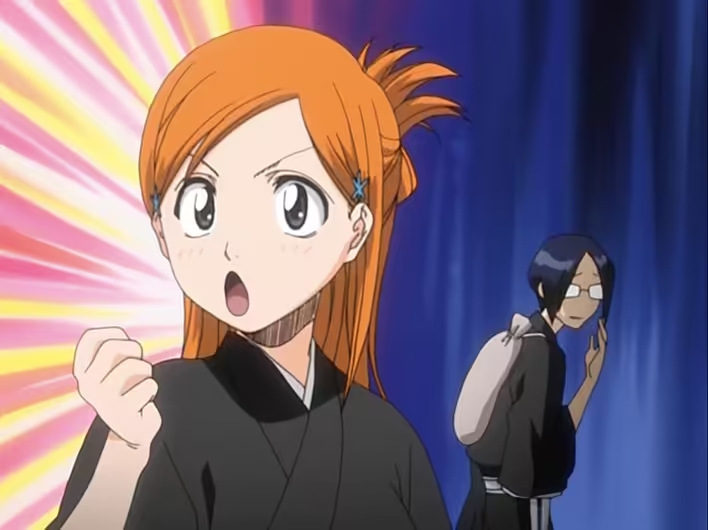
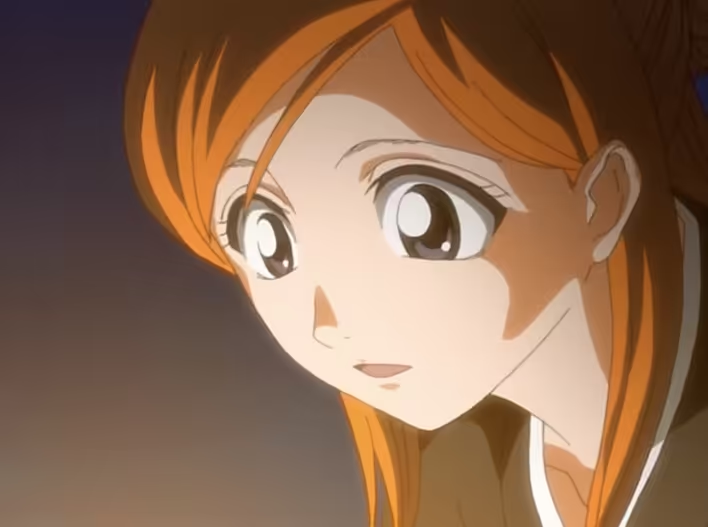
Orihime is sincerely in love with Ichigo Kurosaki and never tries to hide her affection. She always supports him, worries about him, and is ready to sacrifice her own safety for her loved ones. Her friendliness and genuine care fully correspond to the image of deredere.
Winry Rockbell (Fullmetal Alchemist)
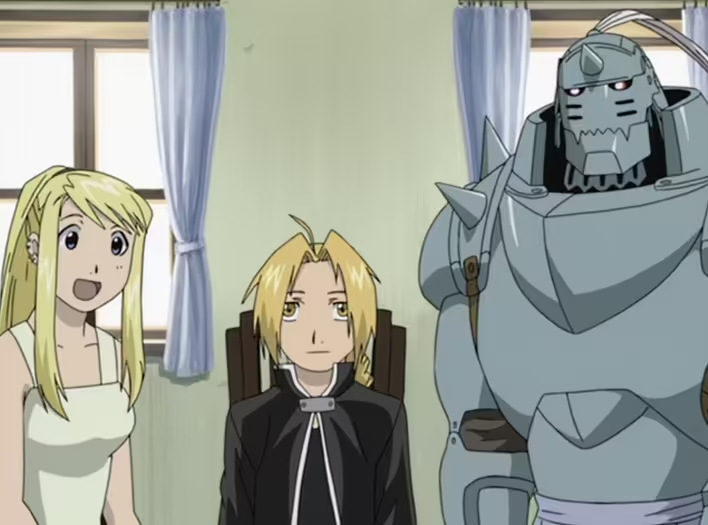
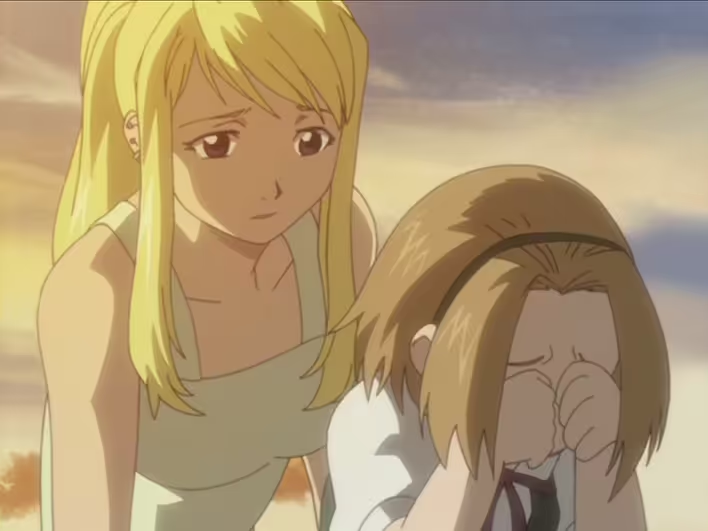
Winry Rockbell gradually builds a romantic relationship with Edward Elric, openly demonstrating her care and affection. She may get angry at his thoughtless actions, but this never becomes characteristic "tsundere behavior." The foundation of her attitude remains trust, support, and sincere feelings.
Kosaki Onodera (Nisekoi)
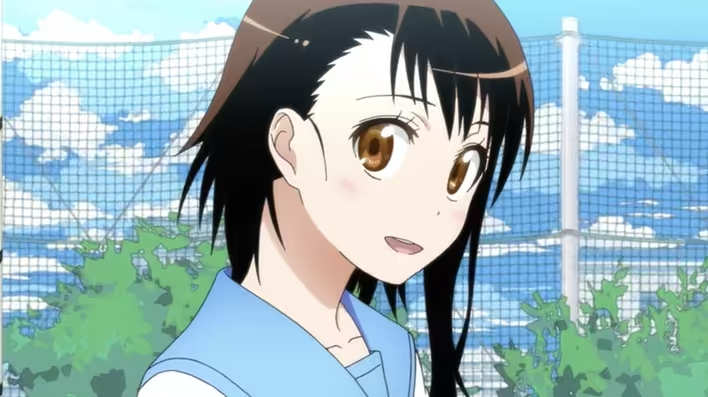
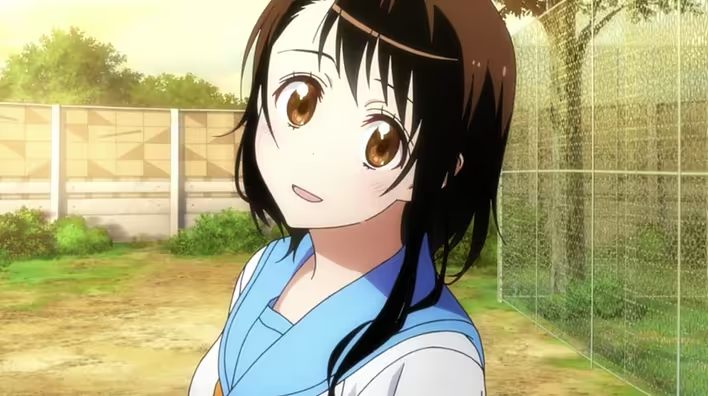
Kosaki Onodera is one of the most famous romantic characters classified as deredere. She is kind, polite, sincere, and does not hide her warm feelings for Raku Ichijou, although due to shyness, she sometimes lacks the courage to confess her feelings directly. It is her caring nature and friendliness that make Onodera a classic example of this archetype.
Other Dere Archetypes
If you are interested in the Japanese classification of characters, we also recommend exploring other dere archetypes. Each of them describes a special way of expressing feelings and the character's nature.
- Tsundere — initially behave coldly, sharply, or even aggressively, but later reveal their tender side.
- Yandere — so deeply in love that their love can turn into dangerous obsession.
- Dandere — quiet, shy, and reserved characters who only open up to those they fully trust.
- Kudere — remain restrained and cold on the outside but are capable of deep feelings.
- Kamidere — behave as if they are above others, demonstrating excessive self-confidence or even superiority.
- Himedere — seek to be treated like a princess or prince, regardless of their actual background.
- Maidere — an unconventional character archetype that does not fit into classic dere categories and behaves in their own way.
- Oujidere — characters who strive to meet the image of the ideal prince.
- XLINKSTARTX17X Bakadere — kind and sincere but very naive or comically clumsy characters.
Like it?React
🧵
This post doesn't have any additions from the author yet.