This content has been automatically translated from Ukrainian.
Kuudere (Japanese: クーデレ, Kuudere) is an archetype of a character in anime, manga, light novels, and visual novels, characterized by calm, reserved, and emotionally balanced behavior. Such heroes rarely show strong emotions, speak little, and almost always maintain their composure even in difficult situations.
At first glance, kuudere may seem indifferent, distant, or even emotionless. However, this impression is almost always misleading. In reality, such characters are also capable of deep feelings, love, friendship, and caring for others, but they express their emotions much more reservedly than most people.
That is why kuudere should not be confused with characters who simply do not like to communicate or are shy about making acquaintances. Their restraint is not a result of insecurity or fear. Most often, it is a trait of character or a conscious way to control their own emotions.
Thanks to this, the archetype has become one of the most popular in science fiction, action, psychological dramas, and romantic stories. The calmness of kuudere often contrasts with the emotionality of other characters, making such characters particularly noticeable.
The Origin of the Word "Kuudere"
The name Kuudere comes from the Japanese word kūru (クール) — a borrowing from the English cool, which in Japanese pop culture describes a calm, reserved, cold-blooded, and emotionally unflappable person — and deredere (デレデレ), which means displays of affection, warm feelings, or infatuation.
In the Japanese language, the English cool was adapted as kūru (クール), from which the first part of the archetype's name was formed.
Thus, kuudere literally means a character who combines external coldness with hidden kindness or romantic feelings.
Unlike tsundere, kuudere does not hide their emotions due to shyness or internal conflict. Their restraint is a natural part of their character.
The History of the Archetype's Emergence
The image of a cold-blooded and taciturn hero existed in Japanese popular culture long before the word kuudere itself appeared. Similar characters were found in manga and anime as early as the 1980s and 1990s, but a separate term formed much later — after the system of dere archetypes spread among fans.
Unlike tsundere or yandere, kuudere has never been as widespread. However, the archetype quickly gained popularity thanks to characters who combined rationality, calmness, and hidden concern for loved ones.
Kuudere is especially common in works where characters have to make difficult decisions during dangerous events. In such situations, calmness becomes not a disadvantage but an important advantage.
Why Kuudere Have Become So Popular
The popularity of the archetype is largely explained by the contrast between the character's external behavior and their true feelings.
Unlike heroes who openly display their emotions, kuudere almost never says more than necessary. Their attitude towards others is most often revealed through actions rather than words.
That is why such characters often seem mysterious. The viewer gradually begins to notice that behind the impassive expression lies a person capable of sincere friendship, loyalty, and deep affection.
This contrast between external calmness and internal emotionality has made kuudere one of the most beloved archetypes among anime fans.
Main Traits of Kuudere

Kuudere often seem to be the calmest characters in any anime. They hardly raise their voices, rarely panic, and even in the most tense moments maintain their composure. However, behind such behavior lies not indifference, but a completely different way of experiencing emotions.
That is why kuudere should not be perceived as characters who "feel nothing." On the contrary, they can be very caring, devoted, and emotionally deep, just almost never demonstrate this openly.
Emotional Restraint
The main trait of kuudere is the ability to control their own emotions.
Such characters rarely show joy, anger, fear, or despair. Even if they experience strong feelings, their reaction remains restrained.
This impassiveness often creates the impression that kuudere are indifferent to everything happening around them. In reality, this is just a feature of their behavior.
Rationality
Kuudere usually try to make decisions based on logic rather than emotions.
Even in crisis situations, they do not rush to act impulsively. They first analyze the circumstances and only then make decisions.
That is why such characters often become strategists, analysts, commanders, or people whom others turn to for advice.
Taciturnity
Kuudere rarely say more than necessary.
Their replies are usually short, calm, and precise. They do not like long explanations or unnecessary emotional arguments.
However, this does not mean that kuudere cannot communicate. If the situation requires it, they can be excellent conversationalists; they just do not feel the need to talk constantly.
Caring Through Actions
One of the most characteristic traits of the archetype is that kuudere find it much easier to help someone than to say something emotional to them.
They may silently support a friend, come to the rescue in a dangerous moment, or take care of someone in such a way that others may not even notice.
It is through such actions that the viewer gradually realizes that the external coldness of kuudere has nothing to do with indifference.
Slow Unveiling of Emotions
Most kuudere do not change abruptly.
Instead of a dramatic transition from coldness to tenderness, they gradually begin to trust other people more. Their facial expressions become livelier, they smile more often, and sometimes openly talk about their feelings.
This gradualness is what makes the development of kuudere so convincing.
How Kuudere Differs from Other Dere Archetypes?
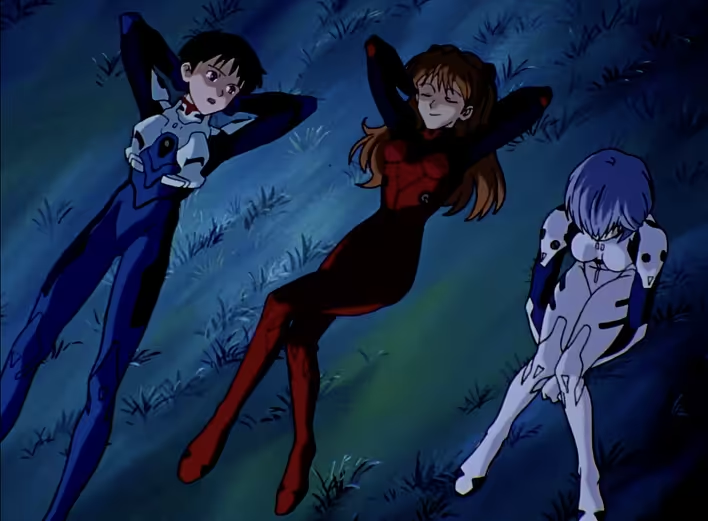
Due to their calm behavior, kuudere are often confused with dandere or even tsundere. However, the main difference between these archetypes lies not in how the character behaves, but in why they behave that way.
Kuudere and Dandere
This is the most common confusion among anime fans.
At first glance, both archetypes seem silent and reserved. However, the reason for their behavior is entirely different.
Dandere is silent due to shyness, insecurity, or difficulties in communication. They often want to say more, but internal struggles prevent them from doing so.
Kuudere, on the other hand, is silent simply because they do not feel the need to talk much. They are not shy around people and do not fear expressing their opinion — they just do it only when they deem it necessary.
In short, dandere suppresses insecurity, while kuudere suppresses self-control.
Kuudere and Tsundere
Both archetypes may seem cold, but their coldness has a different nature.
Tsundere hides their feelings due to shyness, internal conflict, or unwillingness to appear vulnerable. That is why their behavior is often sharp and emotional.
Kuudere does not deliberately hide emotions. They are simply used to experiencing them calmly and do not feel the need to demonstrate every feeling to those around them.
That is why kuudere argue, get offended, or react sharply to romantic situations much less frequently.
Kuudere and Yandere
Despite their similar external restraint, these archetypes are almost opposites.
Kuudere maintains control over their emotions even in the most difficult situations.
Yandere, on the other hand, gradually loses this control. Their feelings become so strong that they begin to dictate all decisions and actions.
That is why kuudere embodies self-control, while yandere embodies the destructive force of emotions that have gone beyond healthy limits.
Kuudere and Kamidere
At first glance, these archetypes may also seem similar, as both characters often behave confidently and are taciturn.
However, kamidere is convinced of their own exceptionalism and often looks down on others.
Kuudere, on the other hand, does not consider themselves better than others. Their calmness comes not from pride, but from the ability to control their own emotions and maintain composure.
That is why the external restraint of these archetypes has a completely different psychological basis.
Most Famous Examples of Kuudere in Anime
Although the kuudere archetype appears in many genres, not every reserved or taciturn character belongs to this type. A classic kuudere combines emotional restraint with a gradual unveiling of their character, so the best examples are characters in whom both of these traits are clearly visible.
Rei Ayanami — Neon Genesis Evangelion
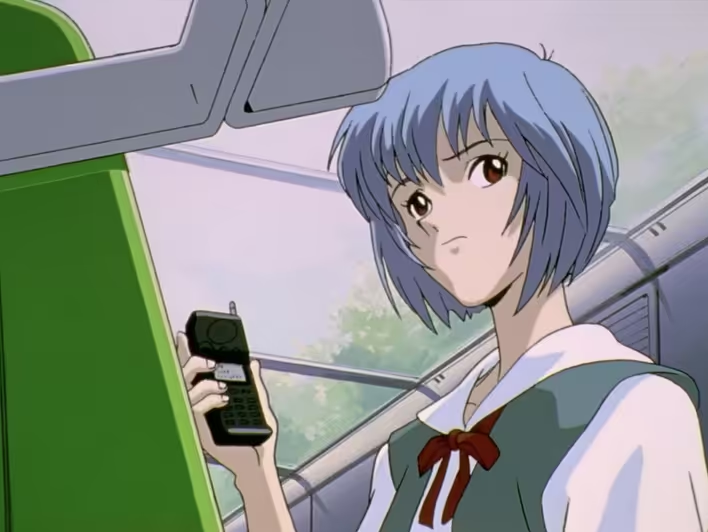
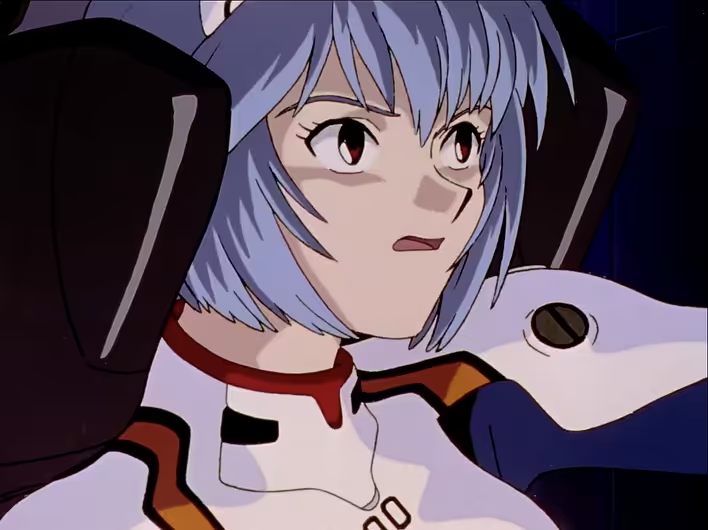
Rei Ayanami is often referred to as one of the most famous examples of kuudere.
At the beginning of the story, she seems almost emotionless: she speaks very little, rarely changes her facial expression, and hardly shows her feelings. However, as the plot develops, it becomes clear that Rei is capable of deep feelings, compassion, and self-sacrifice.
It is this gradual unveiling of her humanity that made Rei one of the characters that significantly influenced the formation of the modern image of kuudere.
Yuki Nagato — The Melancholy of Haruhi Suzumiya
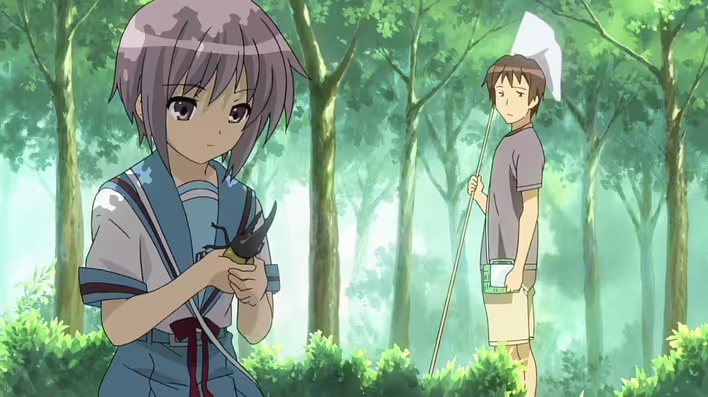
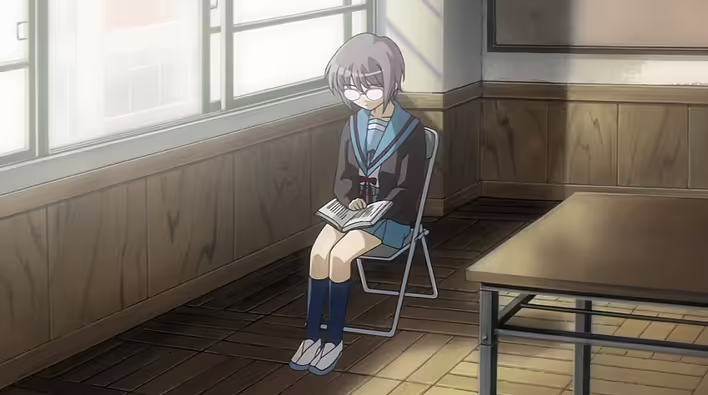
Yuki Nagato is another classic representative of the archetype.
She always speaks in a calm voice, almost never expresses emotions, and behaves extremely reservedly. At the same time, her actions repeatedly show that she deeply cares about the fate of her friends, even if she almost never talks about it out loud.
Nagato well demonstrates that kuudere express feelings primarily through actions, not words.
Kanade Tachibana — Angel Beats!

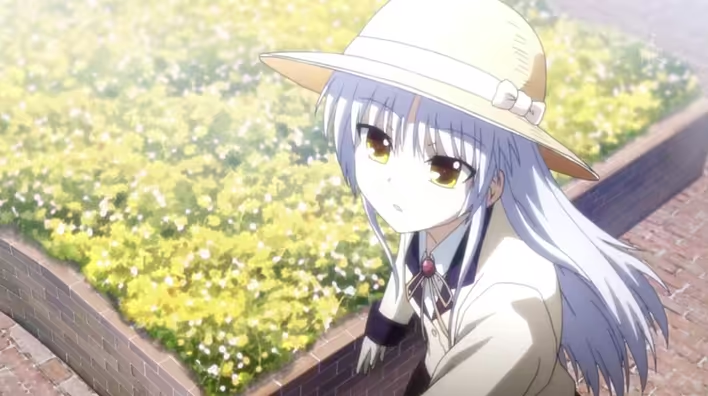
At the beginning of the series, Kanade seems cold, distant, and even ruthless.
However, it gradually becomes clear that her calm behavior hides a completely different personality — kind, attentive, and very lonely.
It is the contrast between the first impression and her true character that made Kanade one of the most famous examples of kuudere among modern anime.
Mikasa Ackerman — Attack on Titan
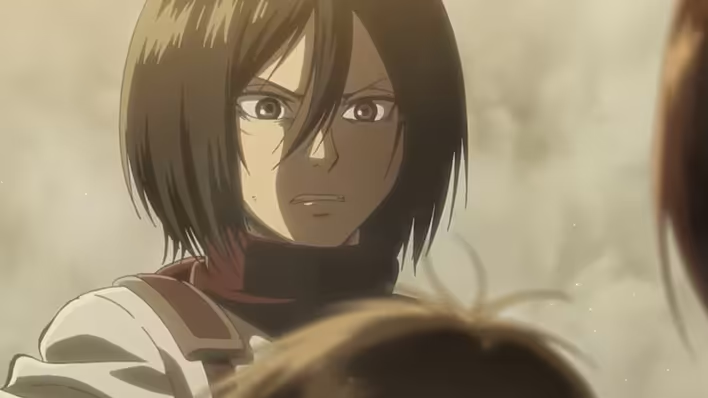
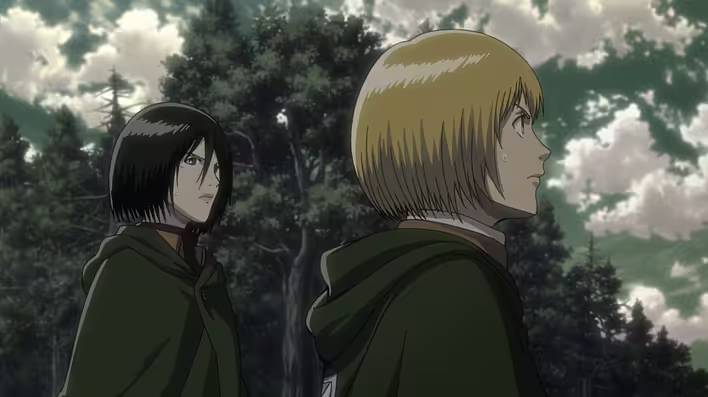
Mikasa is often classified as kuudere due to her restraint and calmness.
She almost never shows strong emotions, excellently controls herself even in life-threatening situations, and rarely says more than necessary.
At the same time, her devotion to Eren and desire to protect her loved ones show that behind her external calmness lie very strong feelings.
Despite this, some fans believe that Mikasa goes beyond the classic archetype, as her character is much more complex and cannot be reduced only to kuudere traits.
Homura Akemi — Puella Magi Madoka Magica
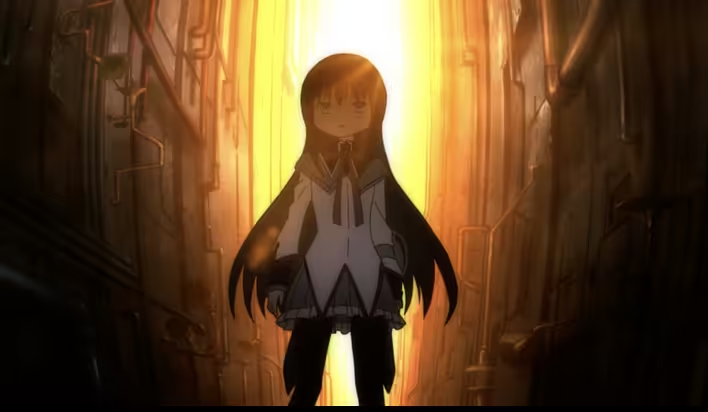
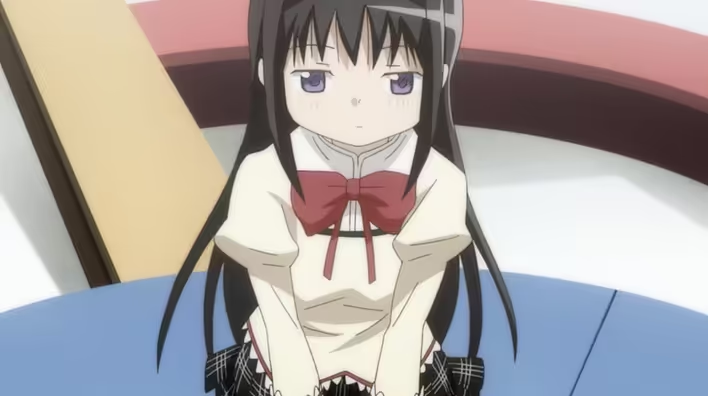
Homura is an example of a character who almost completely controls her emotions.
She is taciturn, determined, and always behaves calmly, even in the most difficult situations. Only gradually does the viewer learn the true reasons for her behavior and the extent of her feelings.
It is Homura who well demonstrates that the external coldness of kuudere does not mean a lack of emotions. On the contrary, it may hide an extremely strong attachment and readiness for self-sacrifice.
Are All Silent Characters Kuudere?
No.
This is one of the most common mistakes in classifying dere archetypes.
If a hero speaks little, it does not necessarily mean that they belong to kuudere. The reasons for their silence can be entirely different.
For example, dandere is shy about communication and often feels insecure among other people. Kuudere, on the other hand, is silent because they do not feel the need to express every thought or emotion.
Similarly, kuudere should not be confused with characters who are simply introverted or have a serious demeanor. The archetype primarily describes emotional restraint and self-control, not the level of sociability or temperament.
Why Do Viewers Like Kuudere?
The popularity of kuudere is largely explained by the fact that such characters gradually reveal themselves.
Unlike heroes who openly display their emotions, kuudere almost always leave room for speculation. The viewer closely observes small changes in behavior, notices brief smiles, unexpected displays of care, or moments when the character finally allows themselves to show their true feelings.
That is why even small emotional changes for kuudere often have a much greater impact than loud scenes in other archetypes. They create a sense of natural character development and make them more realistic.
Other Dere Archetypes
The kuudere archetype is just one of many types of characters that belong to the larger group of dere archetypes. If you are interested in this topic, we also recommend exploring other popular archetypes:
- Tsundere — hide their feelings behind cold or harsh behavior.
- Yandere — characters whose love or affection gradually turns into an unhealthy obsession.
- Dandere — quiet and shy heroes who open up only to those they trust.
- Deredere — open, friendly characters who sincerely express their feelings.
- Himedere — heroines who behave as if they are princesses and expect special treatment.
- Kamidere — characters convinced of their own exceptionalism and right to control others.
- Oujidere — heroes who strive to match the image of the perfect prince.
- Mayadere — former opponents or antagonists who later switch to the side of the main hero.
- Bakadere — kind and sincere, but very naive or comically clumsy characters.
Like it?React
🧵
This post doesn't have any additions from the author yet.