This content has been automatically translated from Ukrainian.
Bunraku (bunraku) is a form of Japanese puppet theater that originated in the 17th century. It is known for its large, detailed puppets that are used alongside narrative and musical elements.
An important feature of bunraku is that each puppet is controlled by three people: the main puppeteer, who controls the head and right arm of the puppet, the second puppeteer, who controls the left arm of the puppet, and the third puppeteer, who controls the legs.
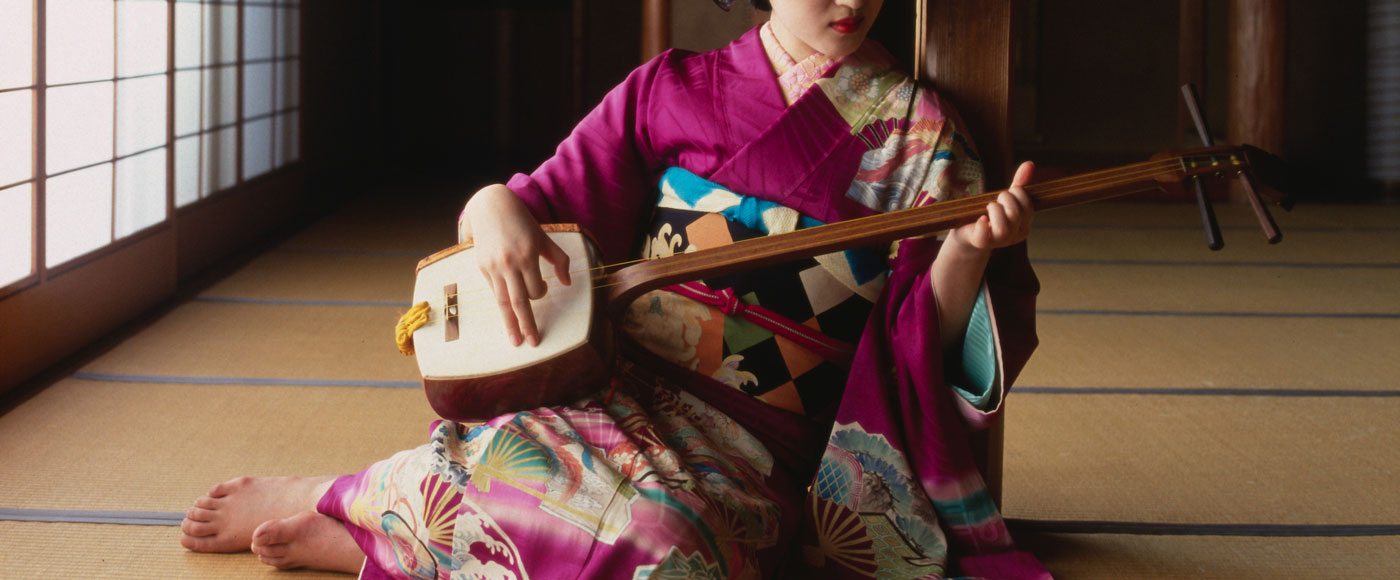
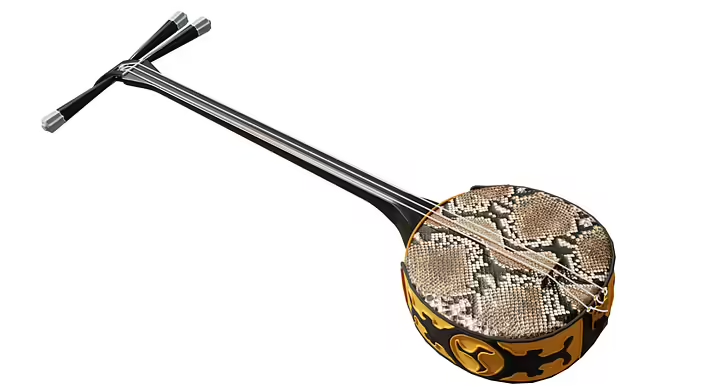
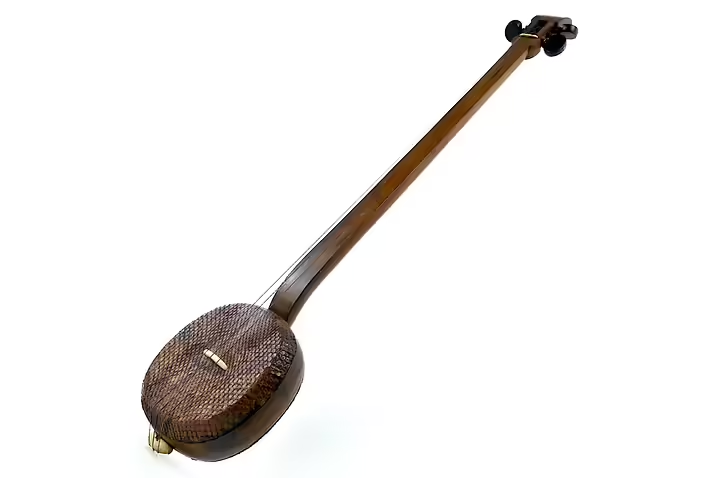
The narrator, known as "tayū," tells the story and performs all the characters' voices. He is accompanied by a musician who plays a Japanese string instrument called "shamisen".
Bunraku, along with kabuki theater and the classical dances Noh and Kyogen, is considered one of the four great forms of traditional Japanese theater.
Like it?React
🧵
This post doesn't have any additions from the author yet.