This content has been automatically translated from Ukrainian.
How often have you caught yourself wanting to snack late at night or while watching your favorite movie? This habit is so common that it even has a name in slang culture – "munchies" (munchies). But where did this term come from, why do we crave food at such moments, and why has this phenomenon become so popular?
The Origin of the Word "Munchies"
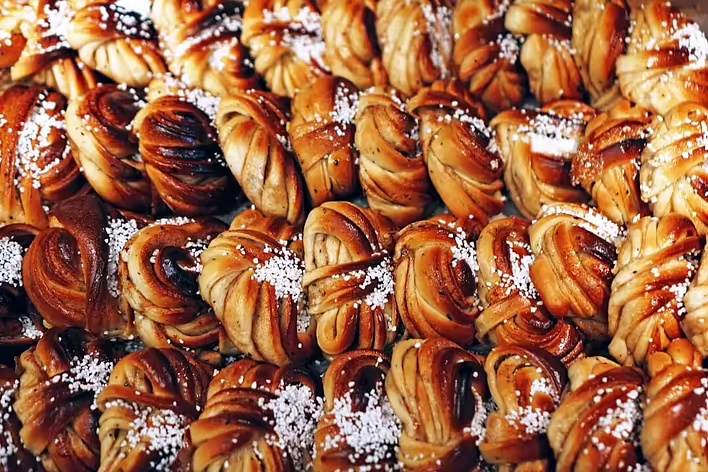
The word munchies comes from the English verb to munch, which means "to chew" or "to consume food with enjoyment." In modern culture, this word has taken on a somewhat narrower meaning and has come to signify a sudden and strong desire to snack.
The term gained popularity in the 1970s due to a subculture associated with cannabis use. It is known that cannabis consumption can trigger feelings of hunger due to its effect on brain receptors responsible for appetite. In films and musical works of that era, this word was often used in the context of wanting to eat after relaxing.
Today, munchies has long transcended this context and become a universal term that describes the desire to snack at any time. This word has become especially popular among young people, who often associate it with pleasant moments of relaxation, movies, or games.
Why Do Munchies Occur?
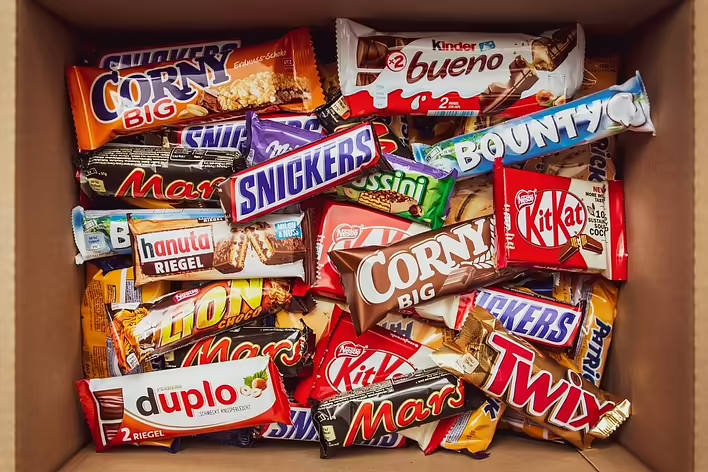
The desire to snack at unusual times can have various reasons:
- Emotional state. Watching a movie or series is often accompanied by emotions that create a need for "comfort food." This especially applies to sweets, popcorn, or chips.
- Tiredness and energy recovery. If you went to bed late, your body may signal a need for energy in the form of a desire to eat something.
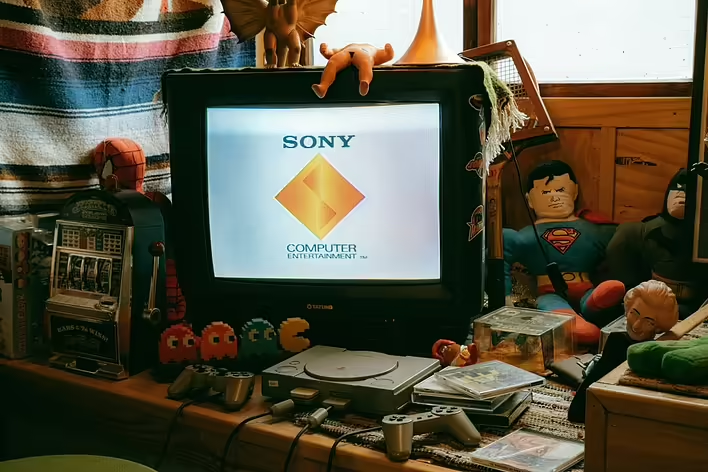
- Habit. You may always eat while watching movies, so your brain automatically associates these actions with food.
- Biological rhythms. In the evening, the level of the hormone leptin (which is responsible for the feeling of fullness) may decrease, triggering a need to snack.
Are Munchies Harmful?
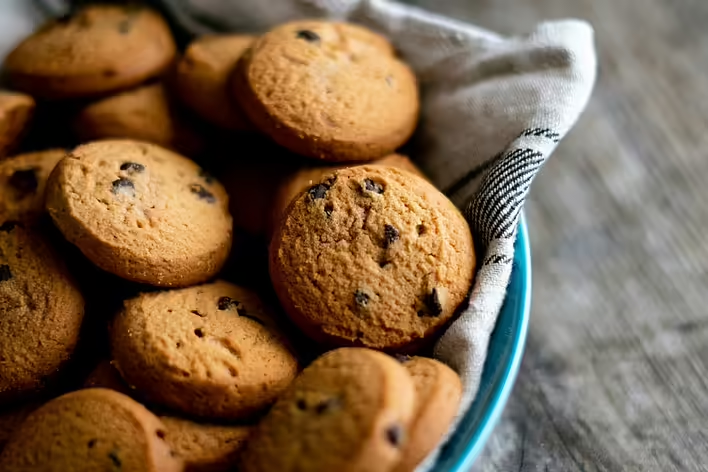
If snacking becomes regular and consists mainly of high-calorie foods, it can lead to undesirable consequences: weight gain, gastrointestinal problems, and decreased sleep quality. However, allowing yourself a few favorite snacks occasionally can actually become a pleasant ritual and a source of enjoyment.
What to Choose If You Get "Hit by Munchies"?
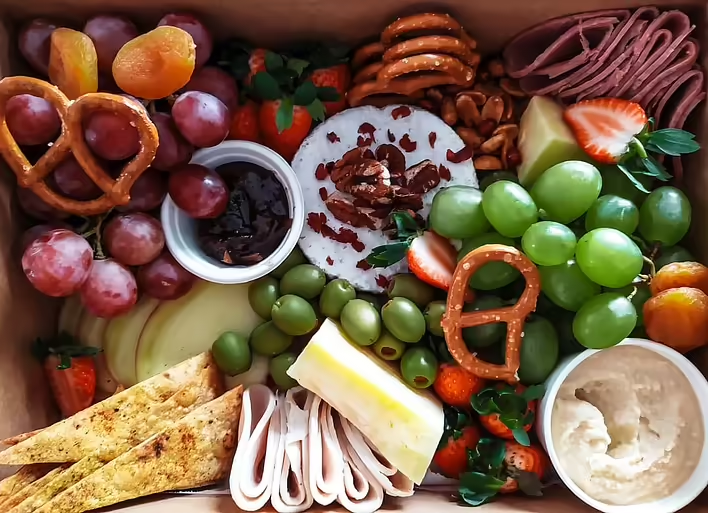
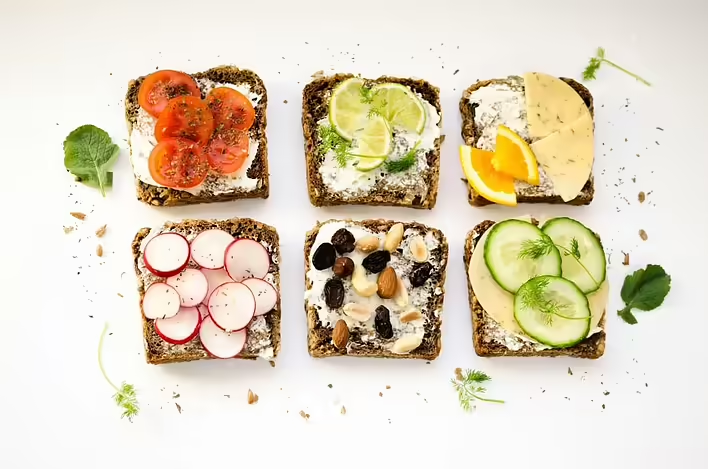
To make your late-night snack not only tasty but also healthy, try these options:
- Fruits (apples, bananas, grapes).
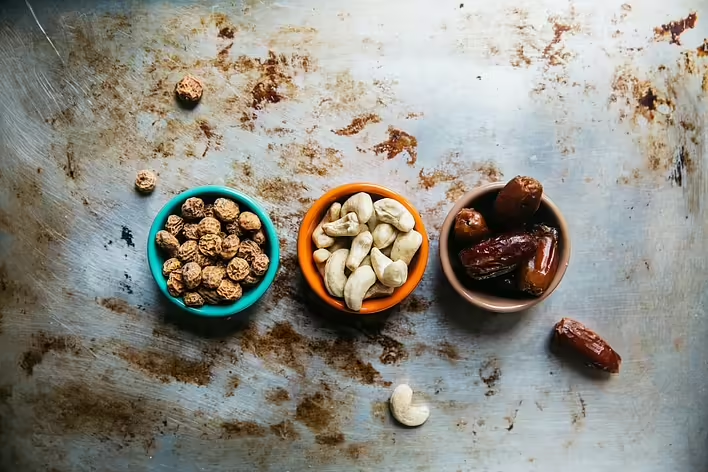
- Nuts and dried fruits.
- Greek yogurt with honey or berries.
- Popcorn without added butter or caramel.
- Whole grain breadsticks.
"Munchies" vs "Kuchisabishi": What's the Difference?
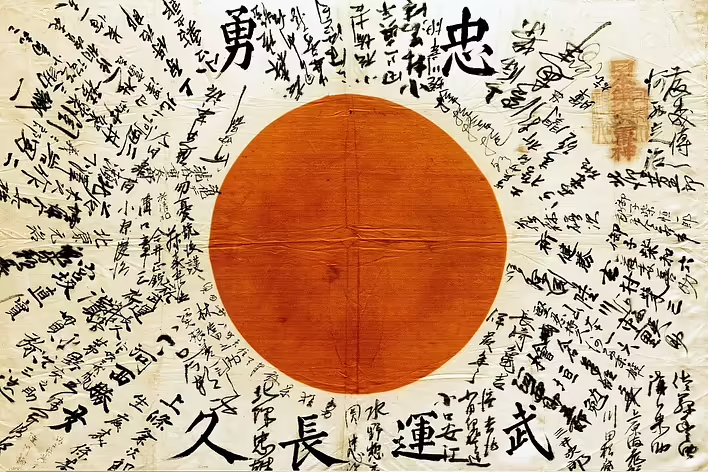
At first glance, it may seem that munchies and the Japanese word kuchisabishi (口寂しい) describe a similar phenomenon – the desire to eat something. But there are significant differences between them related to context, causes, and cultural nuances. Let's break it down.
How Do They Differ from Munchies?
-
Causes:
- Munchies often arise suddenly and can be related to physiological signals from the body, such as late-night hunger, emotional state, or even the influence of substances that enhance appetite (e.g., cannabis).
- Kuchisabishi is more about emotional state: feelings of loneliness, the desire to occupy your hands or mouth with food, even if the body does not need it.
-
Context:
- Munchies is associated with pleasant relaxation: watching a movie, hanging out with friends, or late-night snacks. It often appears as a pleasure rather than a need to "fill" something.
- Kuchisabishi has a more melancholic tone. It is a state where you eat to fill an emotional void or dispel boredom, rather than for the enjoyment of food.
-
Cultural Context:
- Munchies is popular slang closely tied to youth culture, movies, memes, and even fast food.
- Kuchisabishi is a term deeply rooted in Japanese culture and their way of thinking, where much attention is paid to emotions, restraint, and self-control.
-
Food:
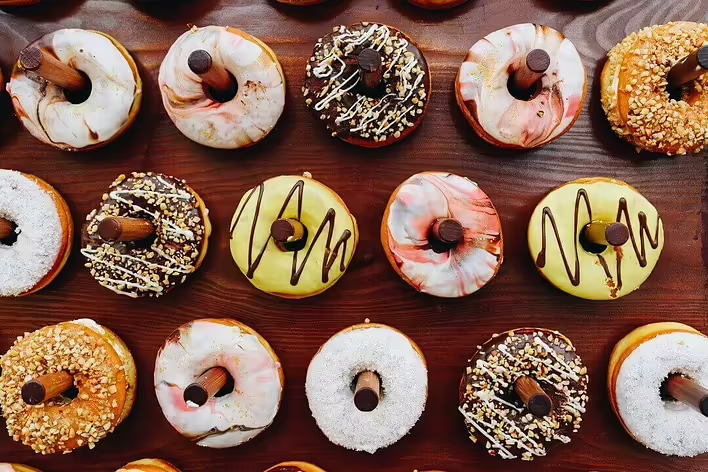
- During munchies, you crave something tasty, often unhealthy – snacks, sweets, pizza, or chips. This is appetizing food that provides instant gratification.
- Kuchisabishi can be satisfied with anything, even a piece of bread, nuts, or just chewing gum. Here, food does not so much bring pleasure as it occupies the mouth.
What They Have in Common
Despite the differences, munchies and kuchisabishi share one common trait: both states often arise not from physical hunger but from psychological or emotional needs. In both cases, food becomes a way to cope with immediate emotions, create comfort, or simply enjoy time.
Like it?React
🧵
This post doesn't have any additions from the author yet.