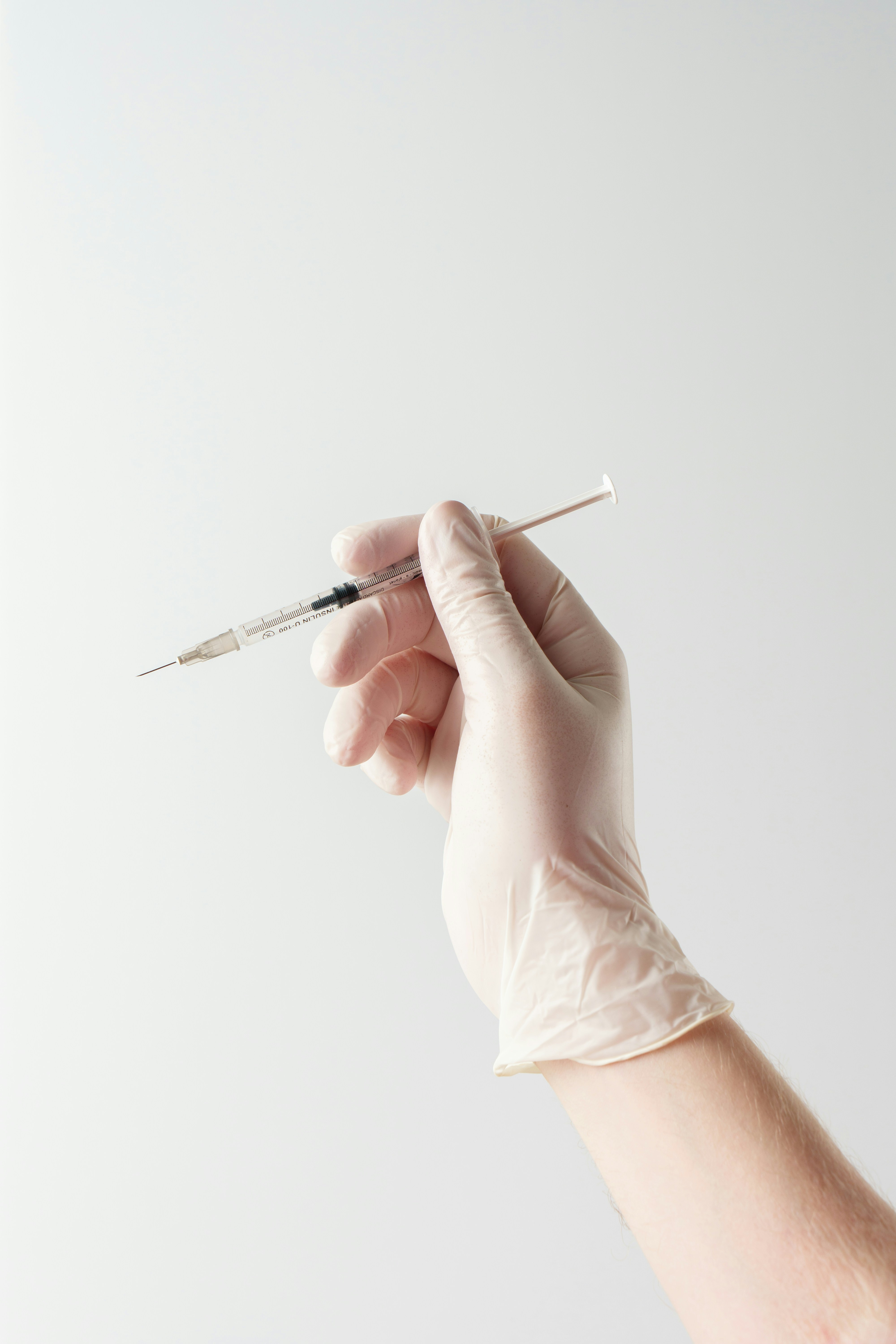
In recent years, plasma therapy (also known as PRP therapy or plasma lifting) has been gaining popularity in cosmetology and dermatology. It is often advertised as “natural rejuvenation” or “chemical-free aesthetic therapy.” However, before drawing conclusions, it is worth understanding what exactly lies behind this procedure, what effect it has on the body, and whether it is truly worth considering as an effective method of treatment or rejuvenation.
How does plasma therapy work?
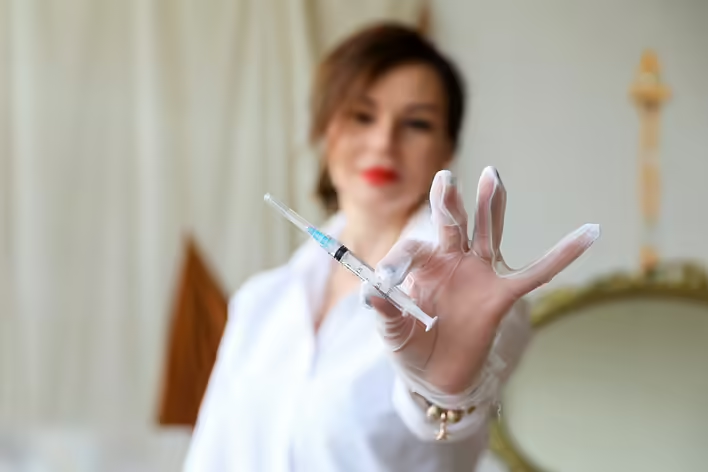
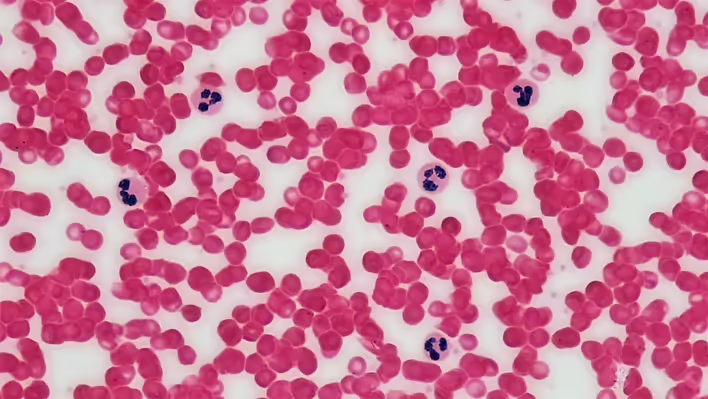
The essence of the method lies in the injection of the patient’s own blood plasma, enriched with platelets (PRP — platelet-rich plasma), into the skin or subcutaneous tissues. Platelets contain growth factors that stimulate healing, tissue regeneration, and improve microcirculation.
The procedure takes place in several stages:
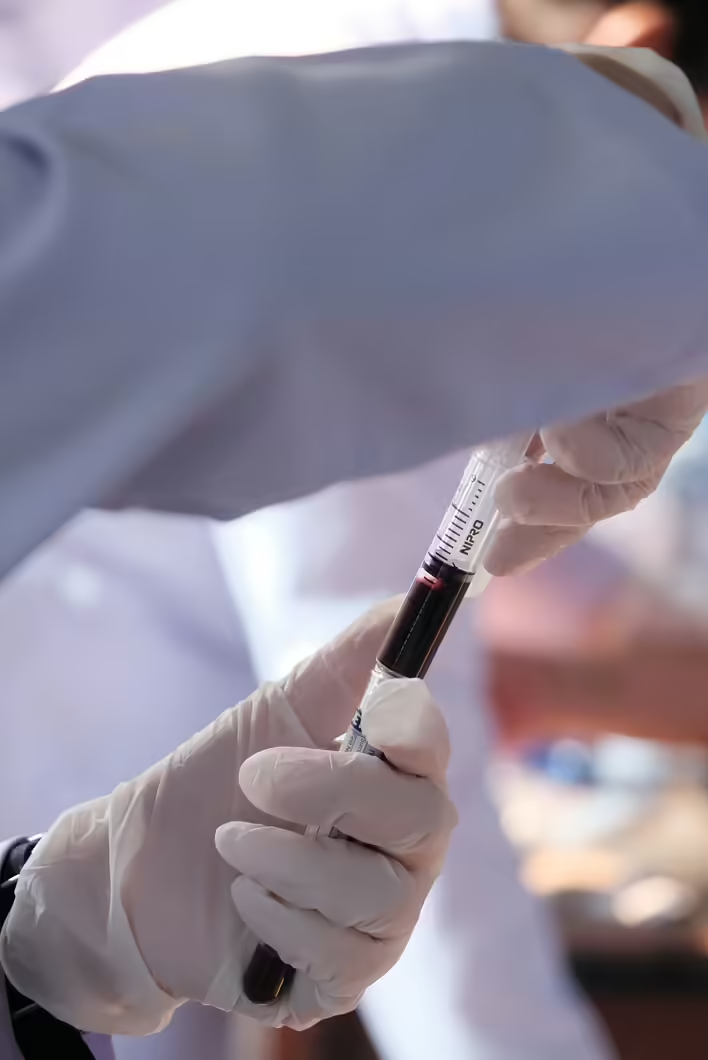
collection of venous blood;
separation of plasma with a high concentration of platelets using a centrifuge;
injection of the obtained PRP into designated areas.
Where is it applied?
In clinical practice, plasma therapy is applied in two main areas:
Cosmetology: to improve skin condition, reduce signs of fatigue on the face, stimulate hair growth in alopecia, and work with fine wrinkles and post-acne.
Medicine: as an adjunct therapy in the treatment of osteoarthritis, chronic tendinopathies, and postoperative tissue healing (especially in orthopedics and sports medicine).
What about evidence?
In the field of orthopedics and sports medicine, there is moderate evidence of the effectiveness of PRP, especially for painful joints or in cases of certain soft tissue injuries. Here, this method can indeed alleviate symptoms for several months.In cosmetology, where PRP is often advertised as a rejuvenating therapy, scientific evidence of effectiveness is currently limited. Results are usually individual, often subjective, and comparisons with other procedures (such as laser therapy or botulinum therapy) show approximately equal or lower effectiveness.However, it is important that plasma therapy:
uses the patient's own biological materials;
has a minimal risk of allergy;
requires almost no recovery time after the procedure.
As a conclusion
Plasma therapy is a method that has potential, especially in areas concerning natural tissue regeneration. In cosmetology, it can be part of a comprehensive skin care routine, but one should not expect it to deliver the “effect of plastic surgery.” As with any procedure, it is important that it is performed by a qualified specialist, in sterile conditions, and with realistic expectations.
If you are interested in such a procedure, it is always worth discussing all the “pros” and “cons” with a doctor or cosmetologist to choose an approach that will meet your specific needs.