All original content is created in Ukrainian. Not all content has been translated yet. Some posts may only be available in Ukrainian.Learn more

Burnout Culture: The Karoshi Phenomenon in Japan and the World

Post cover: Burnout Culture: The Karoshi Phenomenon in Japan and the World
Table of contentsClick link to navigate to the desired location
This content has been automatically translated from Ukrainian.
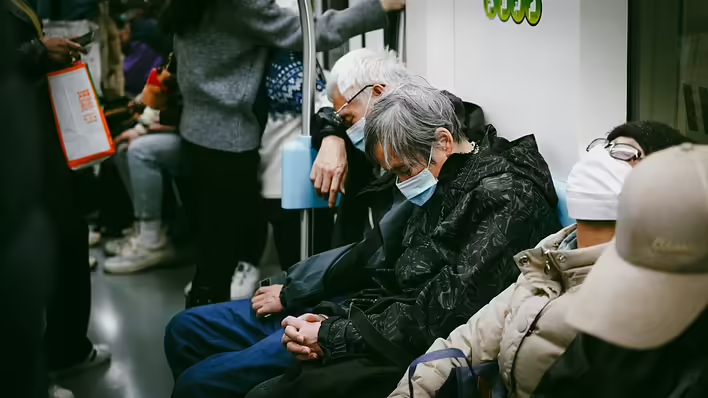
Karōshi (Karōshi, 過労死) — is a Japanese term that literally translates to "death from overwork" or "death from excessive working hours." It refers to the phenomenon where workers, often young and healthy, suddenly die or suffer serious health problems (such as a stroke or heart attack) due to extreme stress and excessively long working hours.

The Essence of the Phenomenon

The phenomenon of karōshi emerged in Japan in the second half of the 20th century when the country was experiencing a period of rapid economic growth. It reflects a culture in which loyalty to the company and hard work are valued more than personal health.
joyuma-7BVg-709yXw-unsplash.jpg

Factors Contributing to Karōshi

The phenomenon of karōshi is associated with Japanese corporate culture. The main factors contributing to karōshi are excessive working hours, known as Zangyō. Often, workers are informally obligated to work significantly more than 60–80 hours a week to demonstrate their dedication. This pressure is intensified by the concept of "ganbaru" (頑張る), which means "to make every effort" or "not to give up," turning hard work into a relentless social obligation. The lack of adequate rest and constant emotional pressure lead to complete physical and mental exhaustion.
Karōshi typically manifests as sudden medical catastrophes caused by chronic stress and overwork that affect the cardiovascular system. The most common causes of death are heart attacks and strokes. Additionally, there is a term Karojisatsu (Karojisatsu), which means "suicide due to overwork." This refers to cases where workers commit suicide due to mental disorders, particularly depression caused by excessive workloads.
cal-gao-tKbrClIj8zI-unsplash.jpg

Recognition and Combat

The Japanese government recognizes karōshi as an occupational disease and compensates families if it is proven that the death was caused by excessive working hours. For official recognition, documentary evidence is usually required that the worker worked over 80–100 overtime hours in the month preceding the incident. Despite legislative initiatives to reduce working hours, karōshi remains a deeply rooted problem.
The term karōshi originates from Japan, but the phenomenon of extreme overwork is not limited to this country. The global "hustle culture" (hustle culture) and constant connectivity through technology lead to similar problems worldwide. Karōshi calls for a rethinking of work ethics and the importance of maintaining a balance between work and personal life.


This post doesn't have any additions from the author yet.

Empathy: A capacity that changes relationships
03 Jun 12:17

Empathy: A capacity that changes relationships

кіс кіс кіс
кіс кіс кіс@psychological-meow
Conformism: How We Submit to Group Pressure
07 Jun 20:52

Conformism: How We Submit to Group Pressure

кіс кіс кіс
кіс кіс кіс@psychological-meow
Procrastination: Why We Put Things Off and How to Overcome It
12 Jun 20:49

Procrastination: Why We Put Things Off and How to Overcome It

кіс кіс кіс
кіс кіс кіс@psychological-meow
Stress and Burnout: Understanding the Limits of Exhaustion
02 Jul 14:02

Stress and Burnout: Understanding the Limits of Exhaustion

кіс кіс кіс
кіс кіс кіс@psychological-meow
People who love to stay at home. Who are they and why does this happen?
10 Jul 14:34

People who love to stay at home. Who are they and why does this happen?

кіс кіс кіс
кіс кіс кіс@psychological-meow
Hikikomori: Isolation as a Result of Mental and Social Factors
11 Jul 12:58

Hikikomori: Isolation as a Result of Mental and Social Factors

кіс кіс кіс
кіс кіс кіс@psychological-meow
Cognitive Dissonance in Relationships: Why We Consciously Hurt Ourselves
09 Aug 17:10

Cognitive Dissonance in Relationships: Why We Consciously Hurt Ourselves

кіс кіс кіс
кіс кіс кіс@psychological-meow
What is an "Echo Chamber" and Why Don't We Hear Others?
11 Aug 20:05

What is an "Echo Chamber" and Why Don't We Hear Others?

кіс кіс кіс
кіс кіс кіс@psychological-meow
The perfect world is in our heads: Understanding escapism
18 Aug 20:46

The perfect world is in our heads: Understanding escapism

кіс кіс кіс
кіс кіс кіс@psychological-meow
Refusal to Act or Why We "Procrastinate"
20 Aug 17:16

Refusal to Act or Why We "Procrastinate"

кіс кіс кіс
кіс кіс кіс@psychological-meow
What is the "Stockholm Syndrome"?
27 Aug 13:33

What is the "Stockholm Syndrome"?

кіс кіс кіс
кіс кіс кіс@psychological-meow
Why Are We Afraid of Falling Behind: What is the Fear of Missing Out (FOMO)?
21 Sep 16:02

Why Are We Afraid of Falling Behind: What is the Fear of Missing Out (FOMO)?

кіс кіс кіс
кіс кіс кіс@psychological-meow