
This content has been automatically translated from Ukrainian.
After several regular workouts, it becomes clear that the result depends not only on the exercises but also on whether the body has enough protein, energy, water, and time for recovery. Sports nutrition in this sense does not promise miracles, but it helps with practical matters: getting protein after the gym, maintaining endurance with electrolytes, adding creatine for strength work, or finding a convenient snack between tasks. For details on the types of supplements available and what might suit a specific regimen — more details here.
With increased loads, the body becomes more demanding about what it receives throughout the day. Muscles need material for recovery, the nervous system needs resources after exertion, and the body as a whole needs enough energy, water, minerals, and protein. Sports nutrition appears precisely at this point: not as a substitute for food, but alongside it, as a convenient way to get what is difficult to obtain in a timely manner or in the required quantity.
What is sports nutrition
Sports nutrition is a category of products and supplements created for people with increased physical activity. It includes protein powders, creatine, amino acids, gainers, isotonic drinks, electrolytes, pre-workout complexes, bars, vitamin-mineral complexes, and other products that help support training, recovery, and overall regimen.
It is important not to confuse sports nutrition with pharmacology. Quality protein does not turn a person into a bodybuilder in a month, and creatine does not eliminate the need for proper sleep and consistent training. Supplements work when there is already a foundation: regular load, adequate diet, sufficient protein intake, calorie control, water, and recovery.
In other words, sports nutrition does not do the work for a person. It simply helps organize the process. Some find it more convenient to drink a protein shake after the gym than to look for a full meal on the go. Some find it difficult to gain weight without a gainer. Some need electrolytes during long runs to avoid weakness and cramps. In each case, the supplement has a specific function.
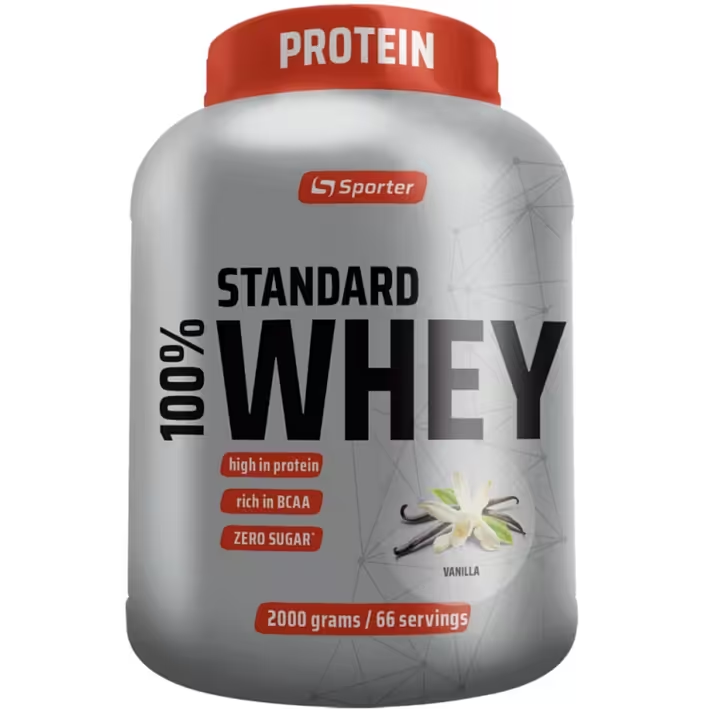
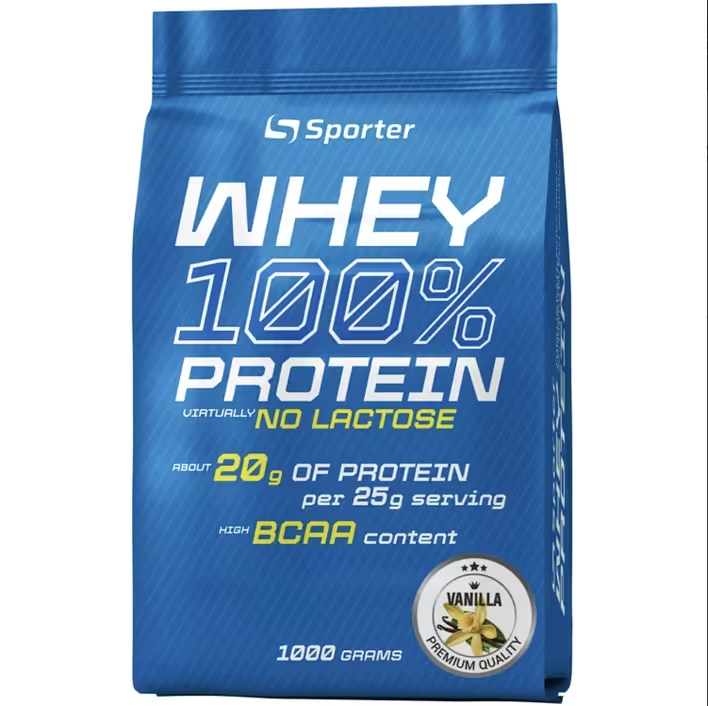
Protein: when protein in the diet may be insufficient
Protein is a concentrated source of protein. It is needed not only by those who want to build muscle. Protein is involved in tissue recovery, supporting the immune system, synthesizing enzymes and hormones, and preserving muscle mass during weight loss. If a person trains, the need for protein usually increases.
The most common option is whey protein. It is valued for its convenience, quick preparation, and good amino acid profile. There is also casein, which is absorbed more slowly; plant-based proteins from peas, rice, soy, or their blends; and complex formulas that combine different protein sources.
Protein is not mandatory for everyone. If a person easily meets their protein needs from meat, fish, eggs, legumes, dairy products, or other sources, powder may simply be a convenience rather than a necessity. But for many, convenience is what makes all the difference: a shake is easier to take with you, quickly drink after a workout, or use as part of breakfast.
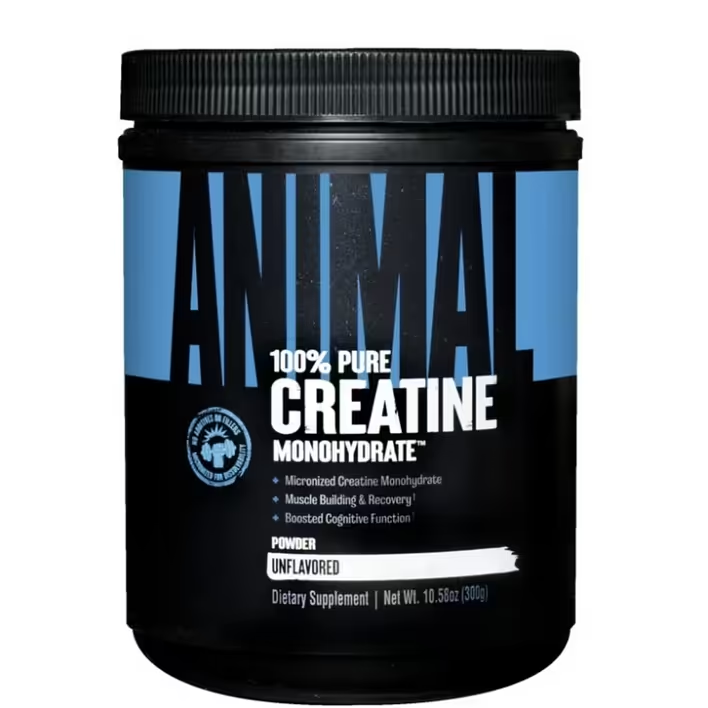
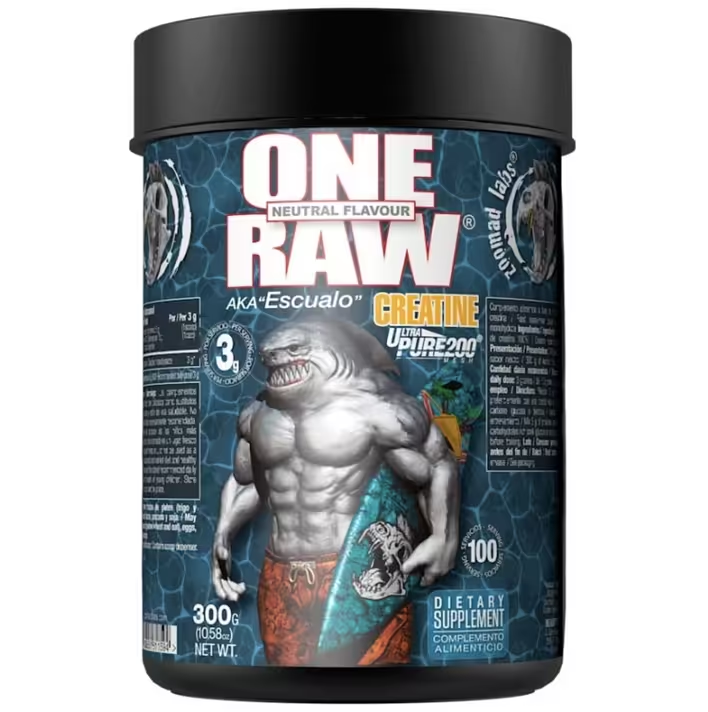
Creatine: supporting strength and intense workouts
Creatine is one of the best-researched sports supplements. It helps muscles use energy more efficiently during short, intense loads: strength sets, sprints, interval training.
Creatine does not act as a stimulant. It does not provide a sudden rush of energy like caffeine. Its effect is cumulative: the supplement is taken regularly, and over time, the body better supports intense muscle work. For many, this means the ability to perform more repetitions, better withstand loads, or recover faster between sets.
A popular myth is that creatine is only needed by men who want very large muscles. In reality, it is used by women, athletes from various fields, and people who train for health. The main thing is not to expect the impossible from it and to adhere to adequate dosing.

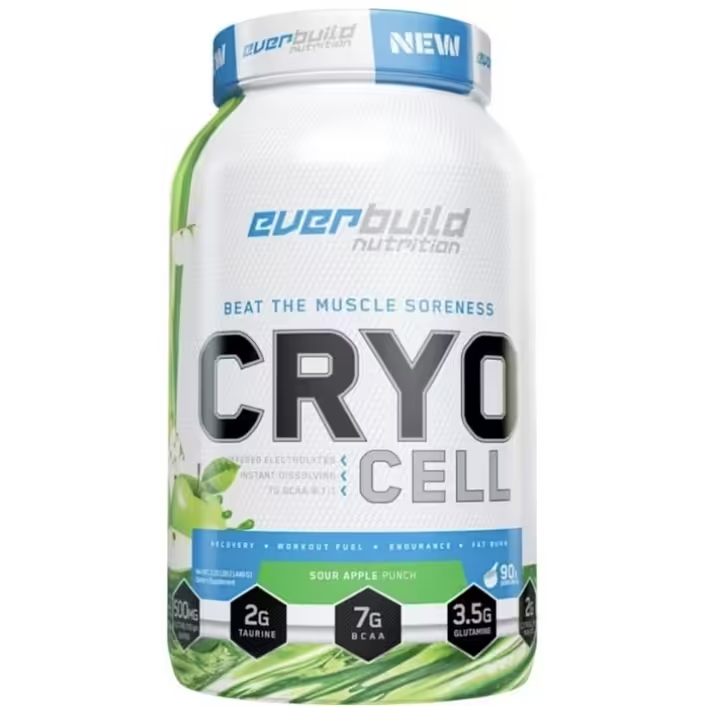
Amino acids, BCAA, and EAA
Amino acids are the building blocks of protein. Some of them are essential: the body cannot synthesize them on its own and must obtain them from food. This is why there is so much discussion around BCAA and EAA in the sports community.
BCAA consists of three amino acids: leucine, isoleucine, and valine. EAA is a broader complex of essential amino acids. They are often used during workouts or in periods when there is a long gap between meals. At the same time, it is important to understand: if the diet contains enough quality protein, the need for individual amino acids may be lower.
This is where the main principle of sports nutrition comes into play: you should not buy everything indiscriminately. First, you need to understand what exactly is lacking. For this, it is useful to assess your diet, training regimen, goals, and well-being. Only then should you choose a specific supplement, not the other way around.
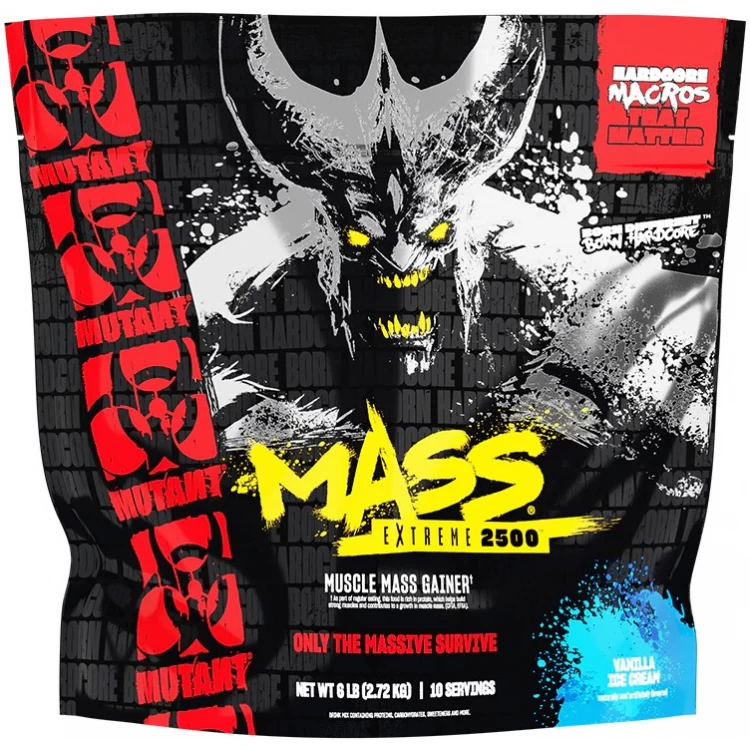
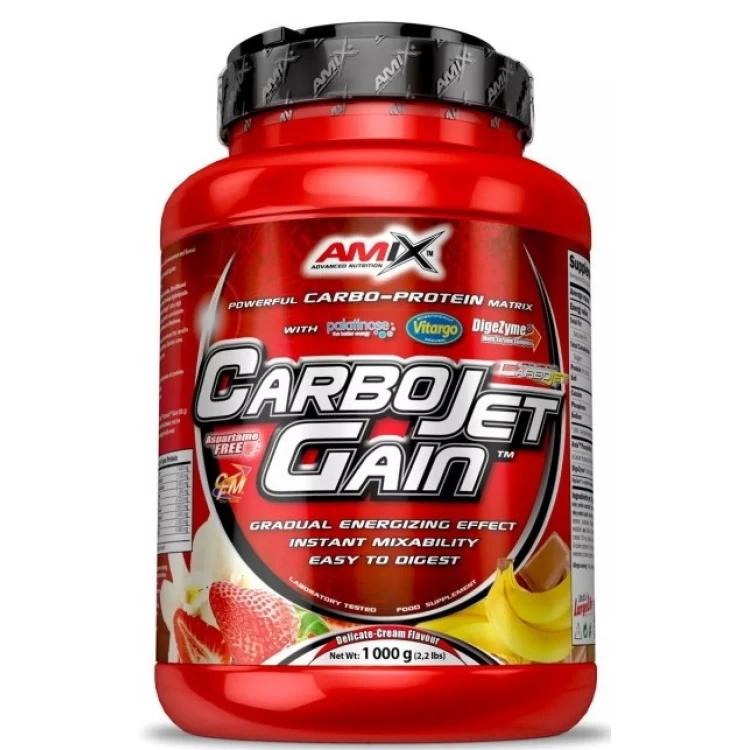
Gainers: when more energy is needed
A gainer is a high-calorie mixture that usually contains carbohydrates and protein. It is used by people who find it difficult to gain mass or meet their energy needs with regular food. This can be relevant for athletes with a very active lifestyle, people with fast metabolism, or those who physically cannot eat enough.
Before buying a gainer, it is worth looking at the composition: the ratio of proteins to carbohydrates, the type of carbohydrate base, the amount of sugar, and the total calorie content per serving. Not all products in this category are the same, and not every option will suit a specific person.
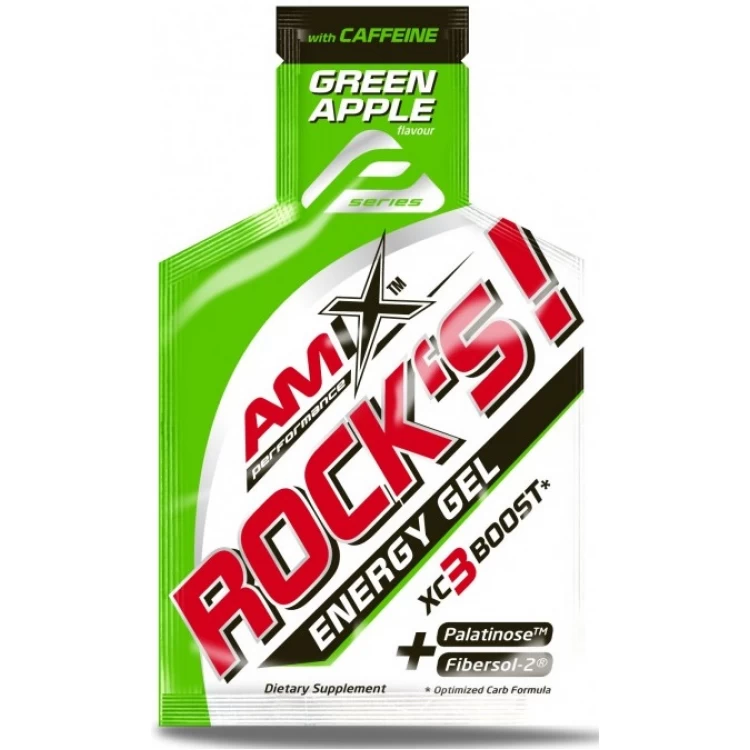
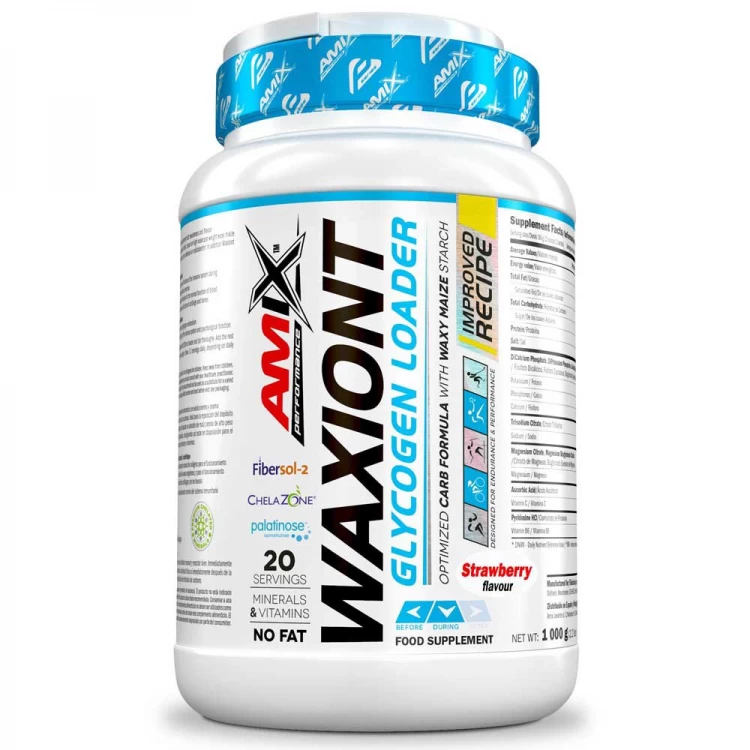
Electrolytes and isotonic drinks: unnoticed helpers of endurance
During intense workouts, the body loses not only water but also minerals: sodium, potassium, magnesium, and other electrolytes. If the workout is short and moderate, regular water is often sufficient. But during long runs, bike rides, workouts in the heat, or high sweating, electrolytes can significantly affect well-being.
Isotonic drinks and electrolyte mixtures help maintain water-salt balance. They can reduce the risk of cramps, weakness, headaches, and sudden drops in performance. This is especially important for endurance sports, where the body works for a long time without a full break.
In this sense, sports nutrition is not just about muscles. It is also about being attentive to the signals of the body. If you constantly have headaches after workouts, experience a significant drop in energy, or take a long time to recover, the problem may not be motivation but a lack of water, salts, calories, or sleep. To navigate the various formats of supplements and avoid random choices, you can browse the assortment at https://okhealth.ua/ and compare it with your training regimen.
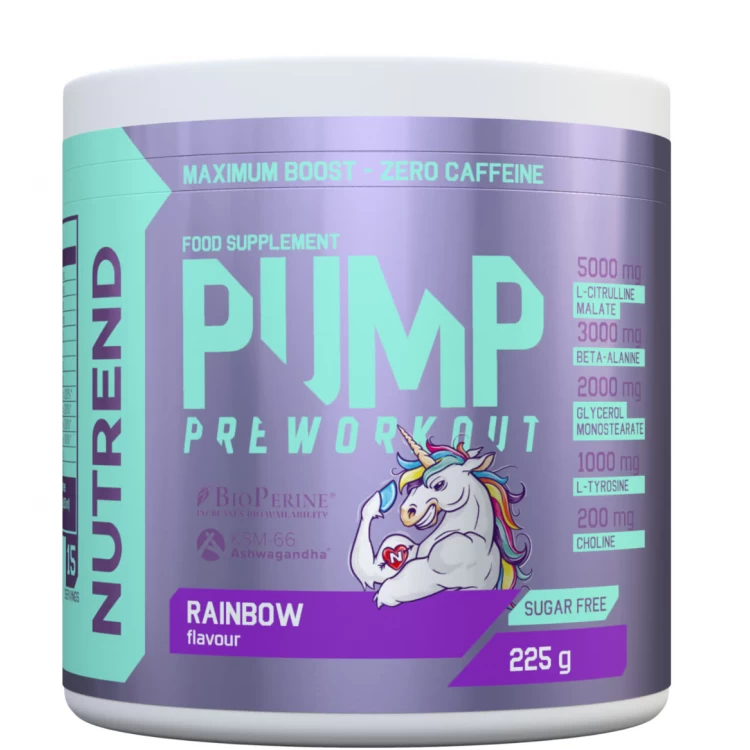
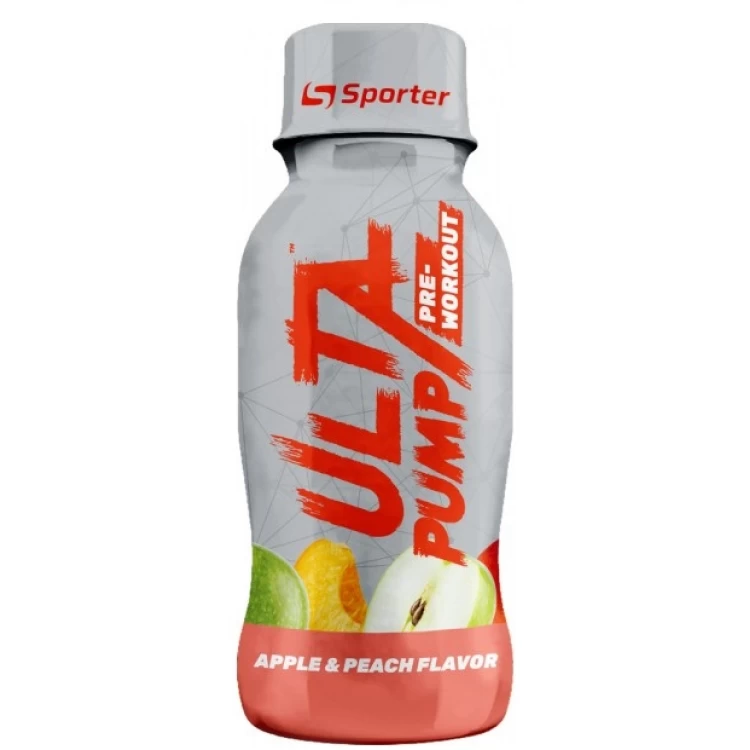
Pre-workout complexes: energy with nuances
Pre-workout complexes are designed to enhance concentration, endurance, and the feeling of energy before a workout. They often contain caffeine, beta-alanine, citrulline, arginine, B vitamins, and other components. For some, this is indeed a useful way to get motivated for training after a workday.
However, one should be cautious with such supplements. If a person is sensitive to caffeine, has sleep issues, anxiety, high blood pressure, or trains in the evening, a strong pre-workout complex may worsen their well-being. More stimulation does not always mean better results.
A good workout should not rely solely on stimulants. If you cannot muster the strength to go to the gym without a pre-workout, it is worth looking at sleep, nutrition, workload, and stress levels. A supplement can help, but it should not mask chronic fatigue.
How to choose sports nutrition
You should start not with the can but with the question: what is it needed for? If the goal is to increase protein intake, it makes sense to look towards protein. If you need to perform better in strength sets — creatine. If workouts are long and sweaty — electrolytes. If gaining weight is difficult — a gainer. If you just want to buy something "for sports," it is better to first sort out your diet.
The second criterion is composition. Good sports nutrition should clearly state what is contained in a serving: how much protein, carbohydrates, fats, active substances, sweeteners, flavorings, vitamins, or minerals. If the label promises everything at once but does not explain the dosages, that is a reason to be cautious.
The third criterion is personal tolerance. Even a quality product may not suit a specific person. Some may feel uncomfortable from lactose in whey protein, some may dislike the sweetness of bars, and some may not tolerate caffeine. Sports nutrition should simplify the regimen, not create new problems.
Who really needs sports nutrition
First and foremost, it is beneficial for people who train regularly and have specific goals: to gain muscle mass, maintain muscles during weight loss, improve strength performance, support endurance, recover faster, or make nutrition more convenient. This can include not only professional athletes but also people who go to the gym after work, run, do crossfit, swim, practice martial arts, or cycle.
Sports nutrition can also be useful for those with a busy schedule. For example, if there is no time for a full meal between work, travel, and training, a protein shake or bar can be a practical solution. It is better than training on an empty stomach or constantly resorting to random food.
Sports nutrition and safety
Before using any supplements, it is important to consider health status. If there are chronic diseases, issues with the kidneys, liver, heart, blood pressure, digestion, or hormonal system, it is better to consult a doctor. This is not a precaution for the sake of formality but a normal part of a responsible approach.
It is also important not to exceed recommended dosages. More does not mean better. An excess of protein, stimulants, vitamins, or certain active substances can create unnecessary strain on the body. Sports nutrition should support health and progress, not become an experiment without rules.
It is advisable to buy supplements from trusted places. The quality of raw materials, storage conditions, labeling, clear composition, and the reputation of the manufacturer matter. Especially if the product is used regularly.
Like it?React
🧵
This post doesn't have any additions from the author yet.