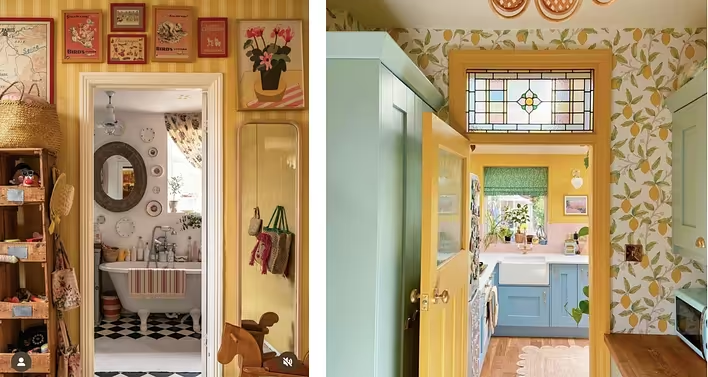
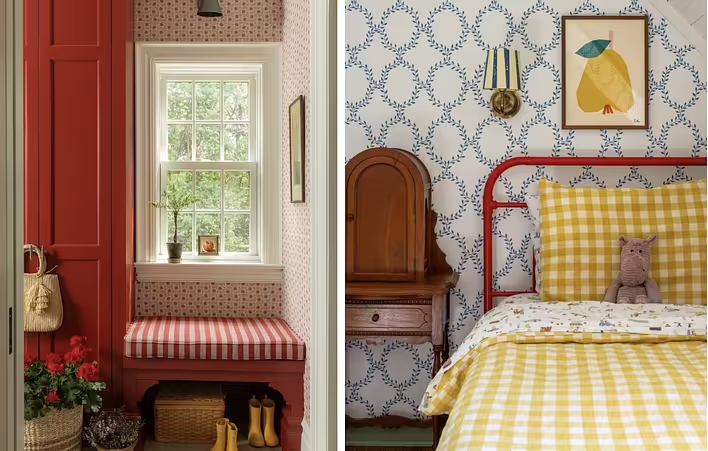
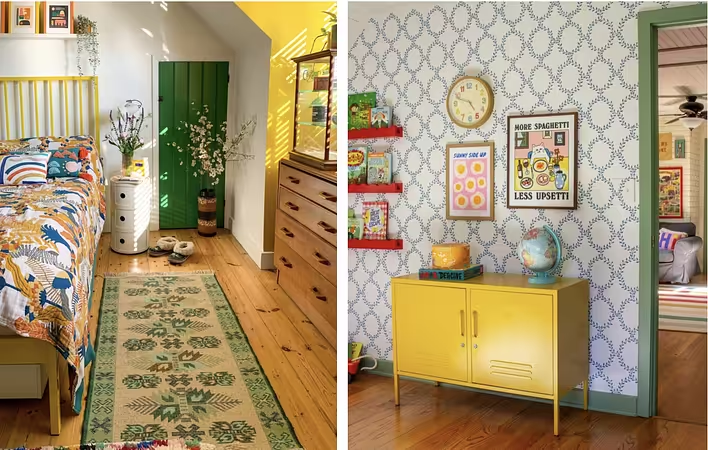
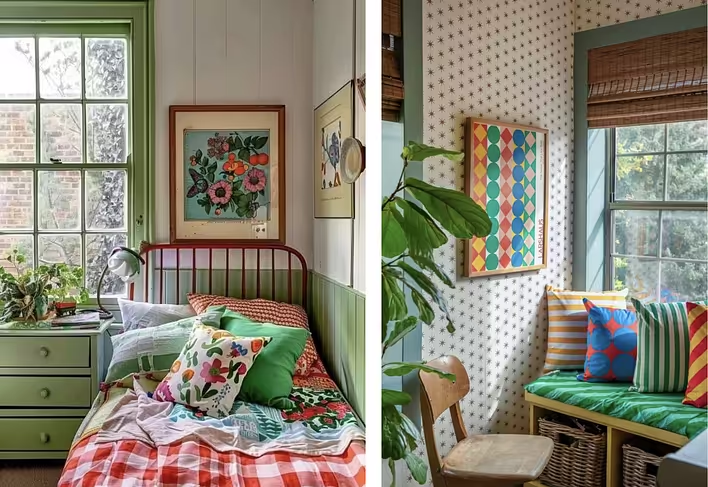
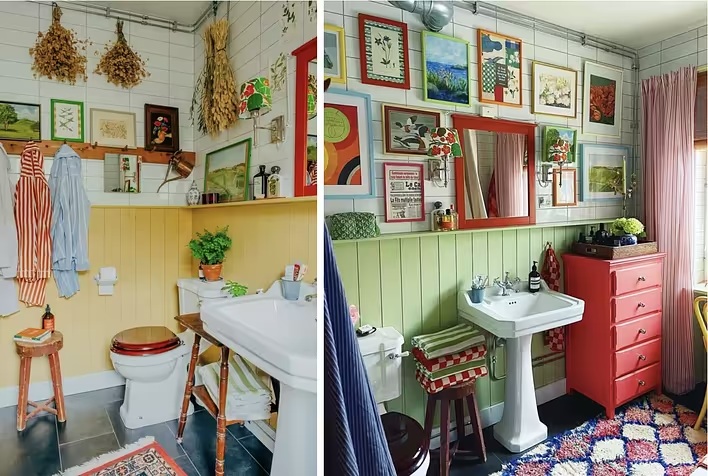
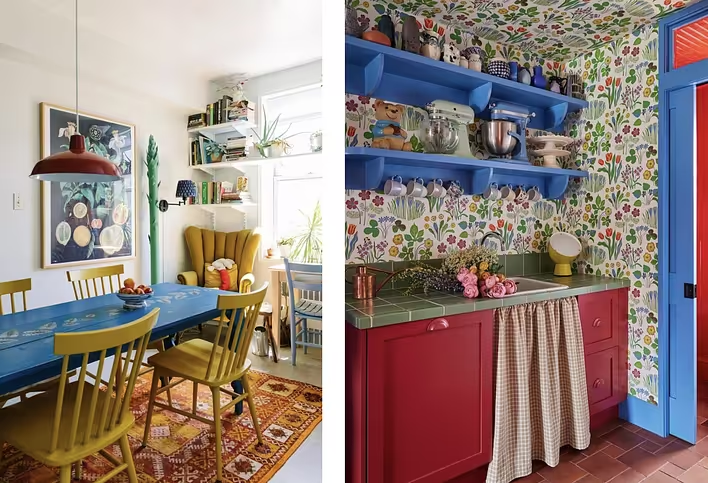
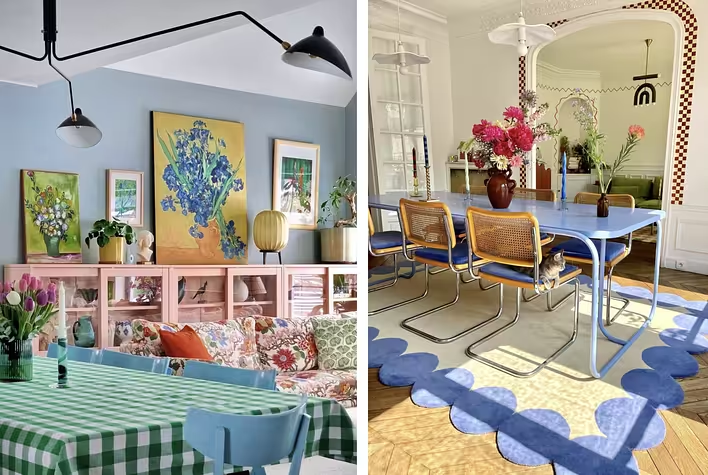
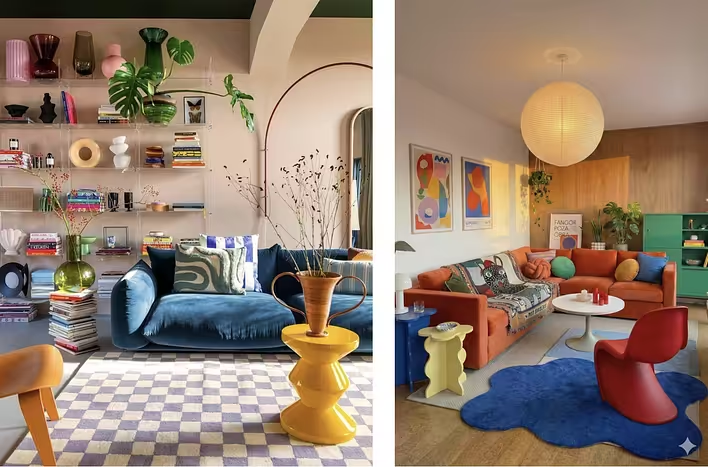
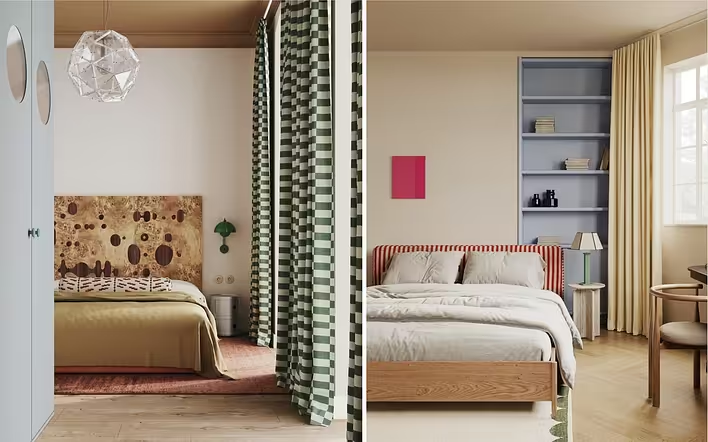
In recent years, interior design has gradually moved away from the perfectly neutral aesthetics dominated by beige, gray, and "safe" colors. In response to this, a trend emerged known as dopamine decor. Its essence lies not in adhering to a specific style or rules, but in creating a space that evokes positive emotions and literally "lifts the mood".
The name comes from dopamine — a neurotransmitter associated with feelings of pleasure and reward. However, it is important to understand that this is not about a direct influence on the brain's chemical processes, but rather a metaphor. The idea is that the environment can affect our emotional state, and a well-designed space can make us feel more energetic or happy.
How this idea emerged
Dopamine decor grew out of a broader cultural movement that began with "dopamine dressing" — an approach to clothing where people chose bright, bold items not for fashion but for their own mood. Over time, this logic naturally transitioned into interiors, especially under the influence of social media, where vibrant, emotional spaces began to appear en masse, sharply contrasting with the minimalist interiors of the previous decade.
In fact, it became a reaction to the fatigue from "sterile" design. People wanted more individuality, warmth, and visual energy in their homes.
What is the essence of dopamine decor
Unlike classic styles, dopamine decor has no clear rules. There is no correct palette or mandatory elements. Instead, everything is built around personal emotions. The space should look like it brings joy to its owner, even if it appears unconventional or chaotic from a classical design perspective.
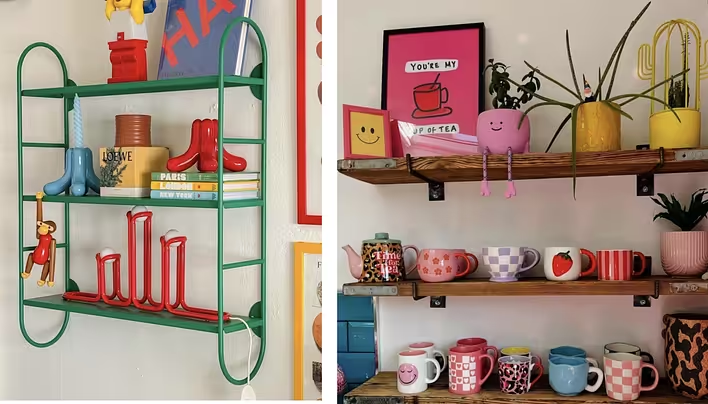
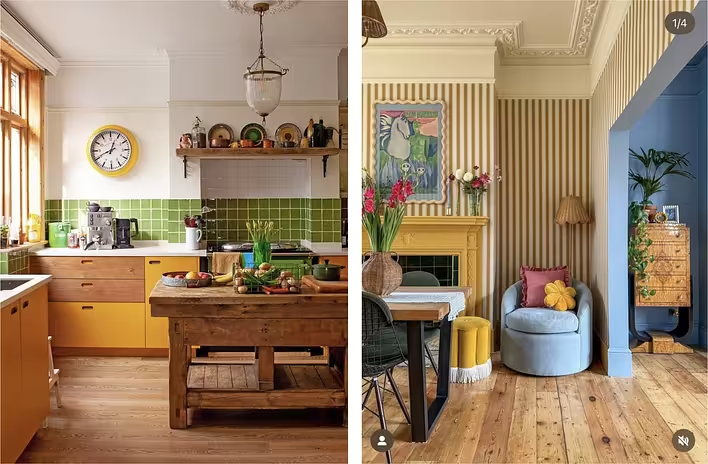
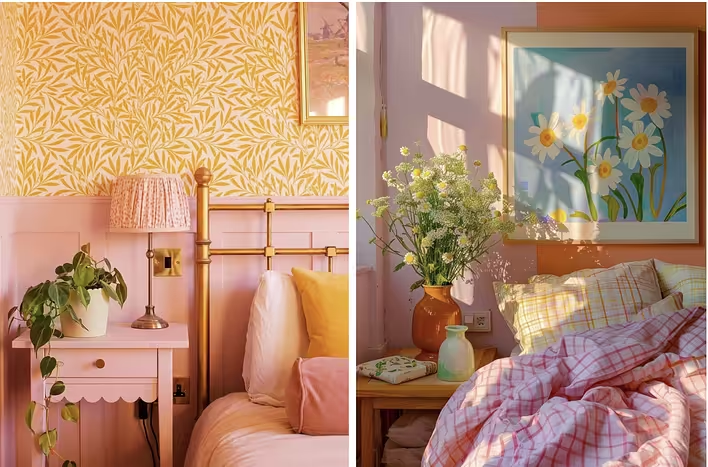
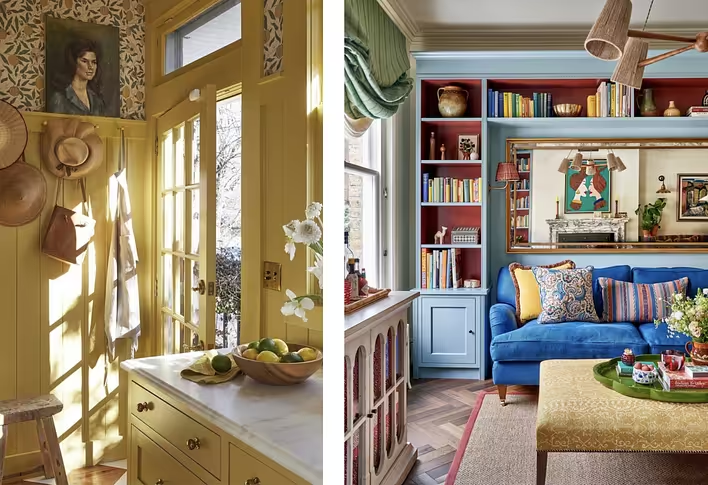
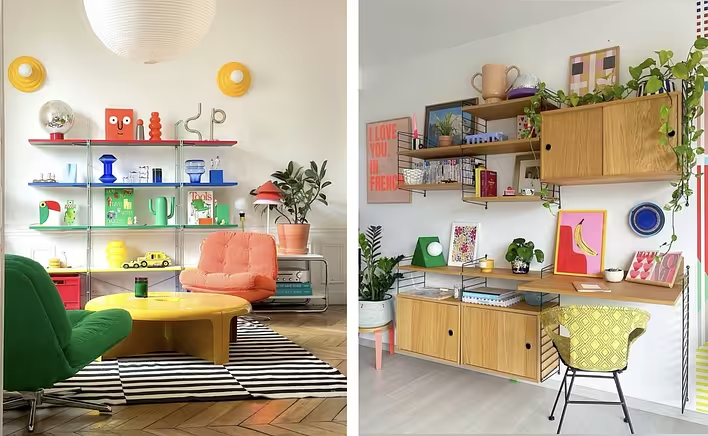
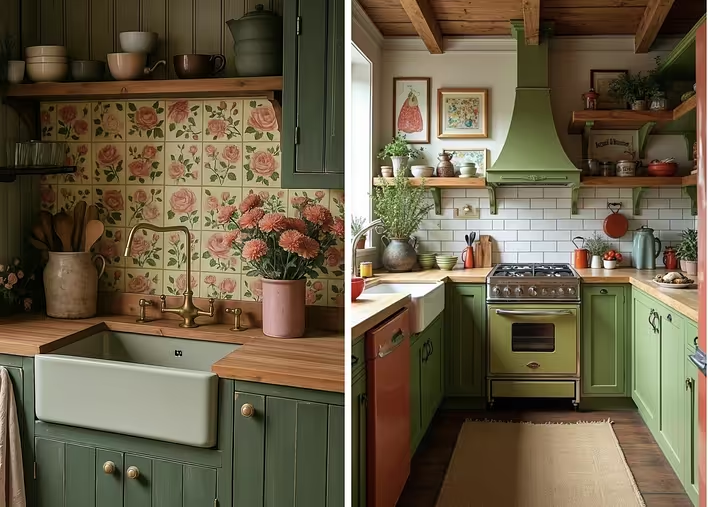
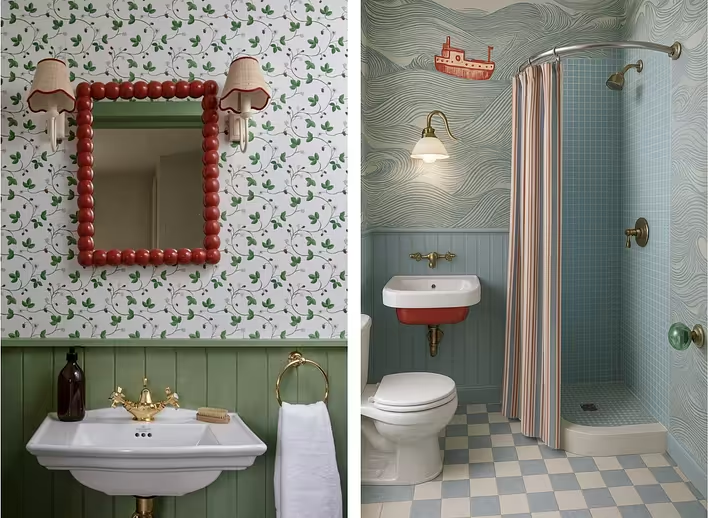
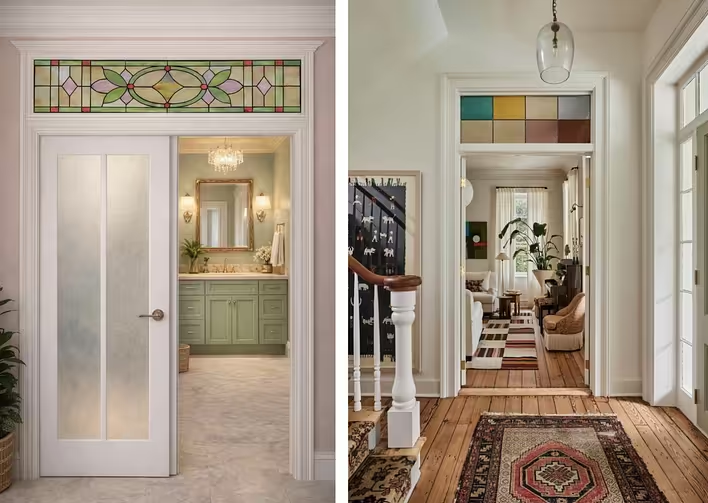
Such interiors often combine bright colors, unusual shapes, various textures, and items that hold personal significance. This can be something very simple — a favorite decor item, an unusual lamp, or a colorful accent on the wall — but it is important that all of this evokes an emotion, rather than just "looking nice".
Why it works from a psychological perspective
The effect of dopamine decor can be explained by how our brain reacts to visual stimuli. Bright colors and rich compositions activate areas of the brain associated with attention and the reward system. This means that we do not just see the space, but also respond to it emotionally.
Some studies also show that aesthetically pleasing objects can trigger similar brain reactions as other positive experiences. That is why an interior that visually "grabs" can truly affect a person's mood, enhancing feelings of comfort or energy.
How it differs from just bright design
It is important not to confuse dopamine decor with simply using bright colors. Its main feature is that it is not about trends or aesthetic rules, but about personal emotional reactions. What works in one space may not work in another, and vice versa — even a very "illogical" combination can look appropriate if it evokes positive emotions in the owner.
That is why this approach often appears more vibrant and less "polished" than classic design styles.
Why this trend has become popular
The popularity of dopamine decor is largely related to a change in attitude towards living space. While previously interiors were often perceived as something aesthetic and "for show", they are now increasingly seen as part of everyday well-being. People have begun to value emotional comfort more, especially after periods of stress and isolation.
In this context, dopamine decor has become a kind of response to the need for a warmer, more personal environment, where the rules of design are less important than the feelings of the person inside the space.