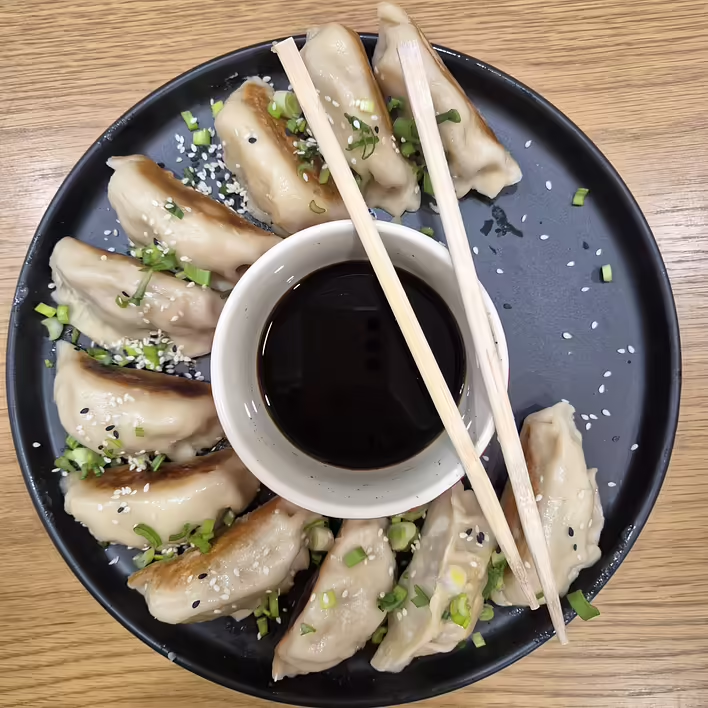
Gyoza(gyoza) – is a Japanese dish that consists of small dumplings or potstickers made from thin dough, filled with various fillings. The term comes from the Chinese word "jiaozi," as gyoza were adapted by the Japanese from Chinese dumplings. They are very similar in terms of preparation, serving, and appearance, but gyoza are recognizable for their “classic” filling.Gyoza appeared in Japan after World War II when Japanese soldiers brought the recipe for Chinese dumplings home. Since then, somewhat modified and interpreted, gyoza have become one of the symbols of Japanese cuisine. Since we had all the necessary ingredients for them, as well as two free hours (exactly how much time we spent on the entire cooking cycle, from kneading the dough to actually enjoying the finished dish), we decided to try to recreate the recipe at home and share it on our blog. What we achieved – we will tell and show you next.
Time spent: about 2 hours
Difficulty: 2.5 out of 5
Cost: average
We will need
From the list of ingredients below, you can prepare 6-8 full servings of gyoza. Therefore, the proportions can be adjusted based on your preferences and the quantity of ingredients.
For the dough:
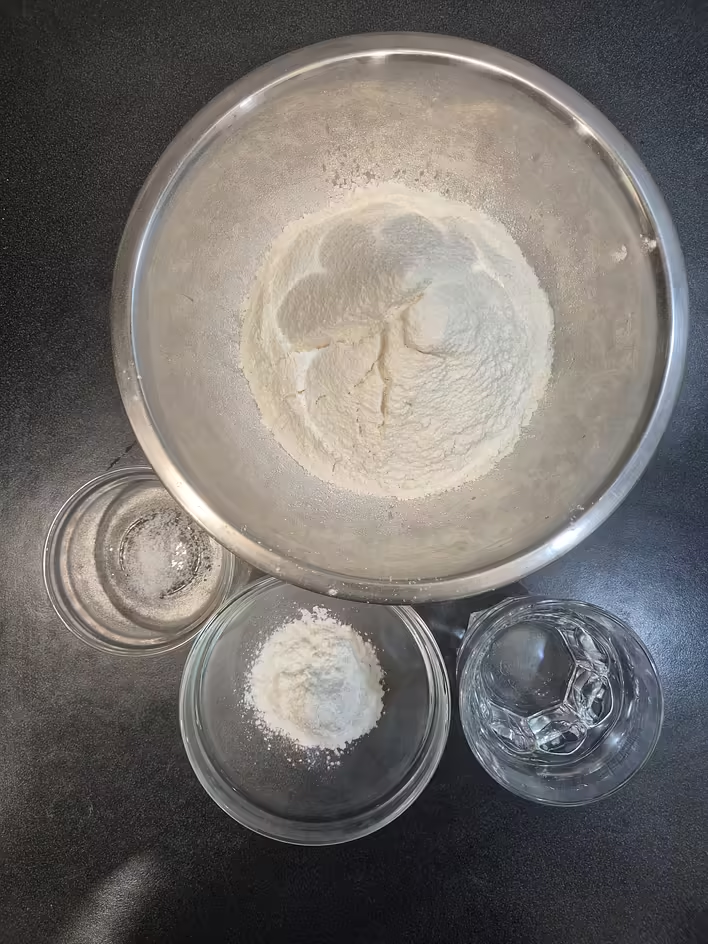
400 g of high-grade wheat flour
200 ml of boiling water
3 tbsp. (level) of cornstarch
a pinch of salt
For the filling:
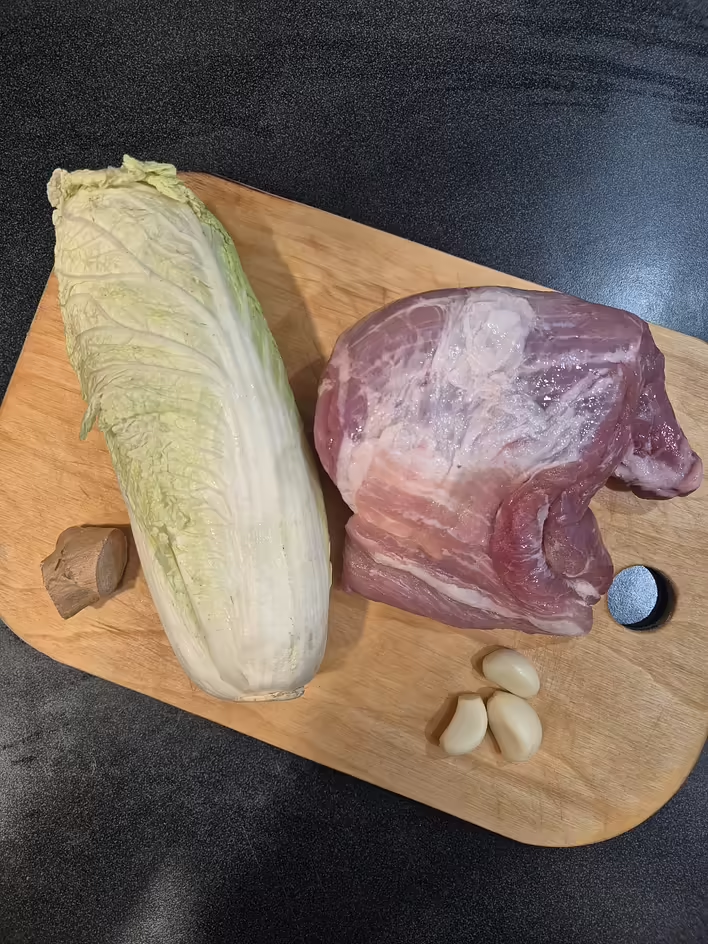
500 g of minced pork
250 g of napa cabbage
3 cloves of garlic
a piece of fresh ginger root (about a teaspoon)
For the marinade for the filling:
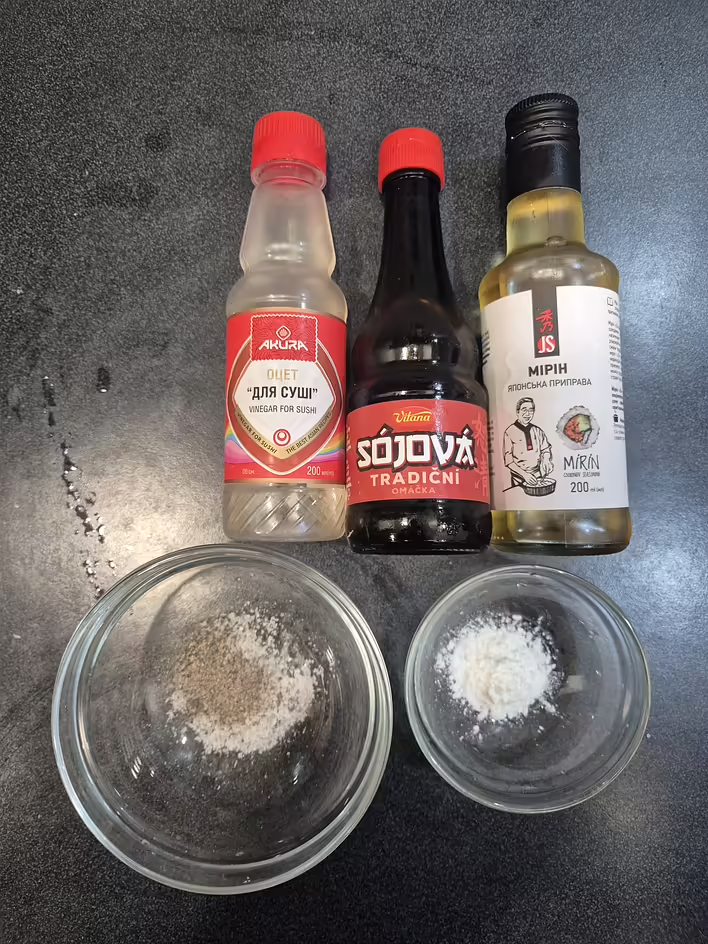
40 ml of soy sauce
20 ml of rice vinegar
30 ml of mirin (can be replaced with sugar syrup, or skipped altogether)
1 tsp. of cornstarch
salt, black pepper to taste
For serving (optional):
soy sauce
rice vinegar
mirin
unagi sauce
green onion
mix of white and black sesame seeds
Preparation
Preparing the doughFirst, we will prepare the hot water dough, as it needs about 30 minutes to rest after kneading.
For gyoza, a thin and elastic hot water dough is needed. It is very easy to make, no more difficult than for dumplings or pelmeni. The only difference is that we added cornstarch to it. In this case, it serves several purposes:
improves the texture of the dough (it is easier to roll out to the required thickness of 1 mm, and the finished gyoza hold their shape better during molding)
prevents gyoza from sticking together during cooking
helps create a characteristic golden crust on the bottom of the gyoza during frying
absorbs excess (only excess, but not all!) moisture from the filling, which helps avoid sogginess of the dough and loss of its structure.
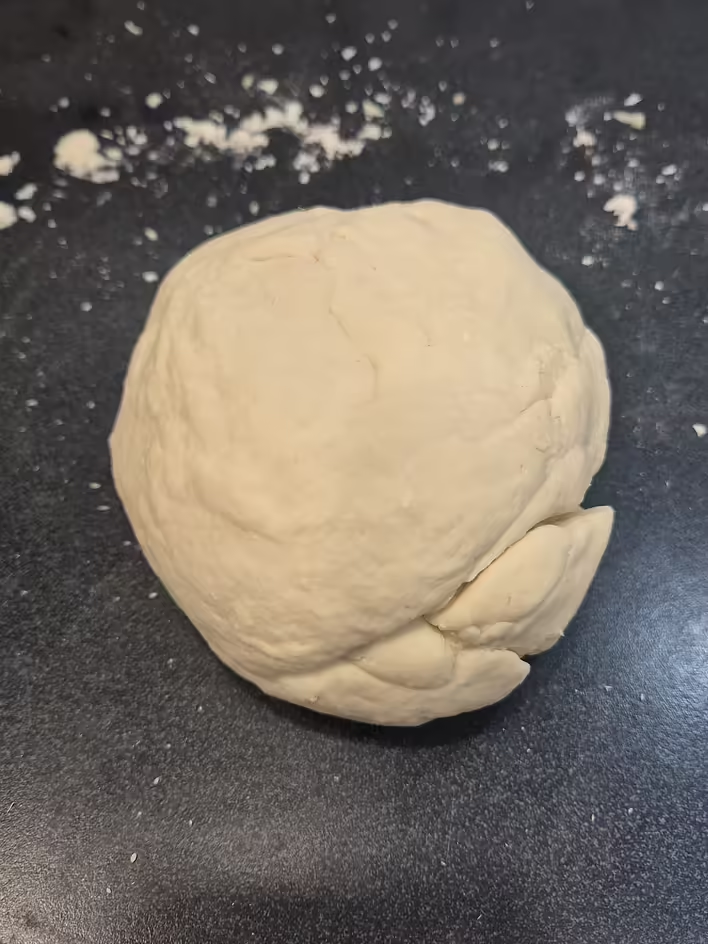
Sift the flour and mix it with the cornstarch. Dissolve the salt in hot water. Make a small well in the bowl with the flour, into which we start pouring the water. Mix with a spoon or spatula until the mass cools down and is comfortable to work with by hand. If the specified proportions are followed, the dough will practically not stick to your hands and will be completely kneaded in about 10 minutes. It will be firm yet elastic. After kneading, wrap it in plastic wrap and let it rest in the refrigerator for 30 minutes.
готове тісто
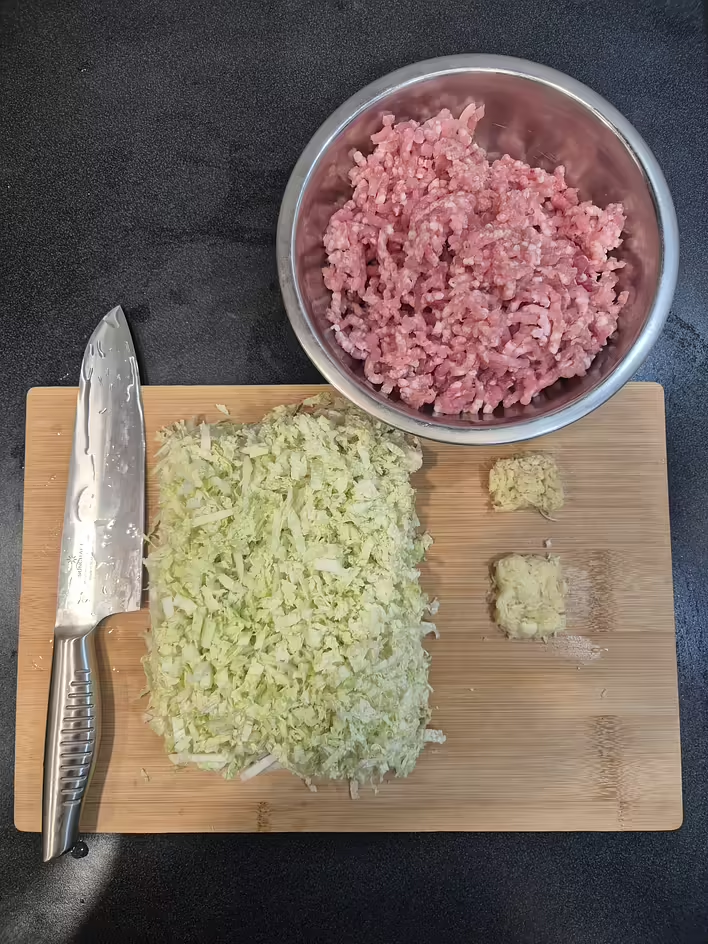
Preparing the fillingWe grind the pork in a meat grinder. An alternative option is to use ready-made minced meat.Finely chop the napa cabbage, and grate the garlic and ginger root.
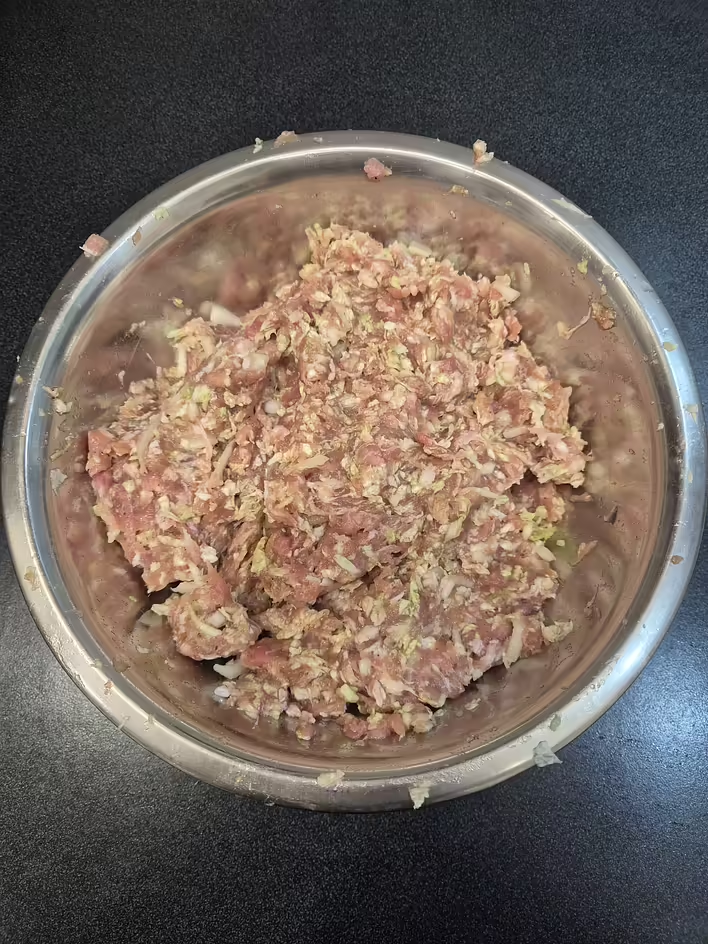
Prepare the marinade: mix all the liquid ingredients, add cornstarch, salt, and pepper.In a large bowl, combine the minced meat, chopped cabbage, grated garlic, and ginger root, and pour in the marinade. Mix very thoroughly until homogeneous, adding more salt if necessary.
готова начинка
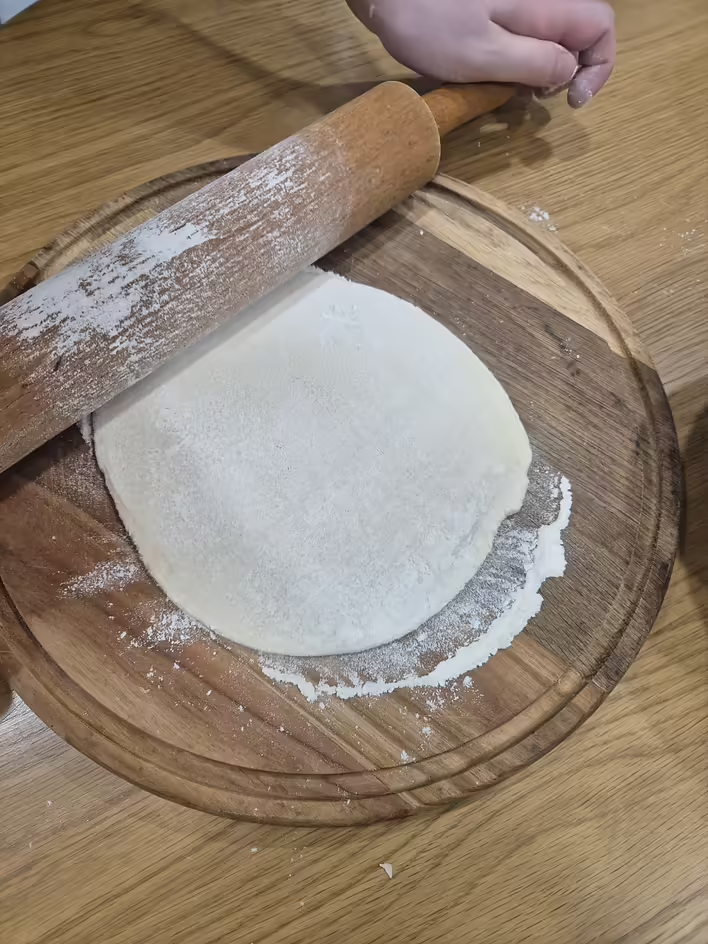
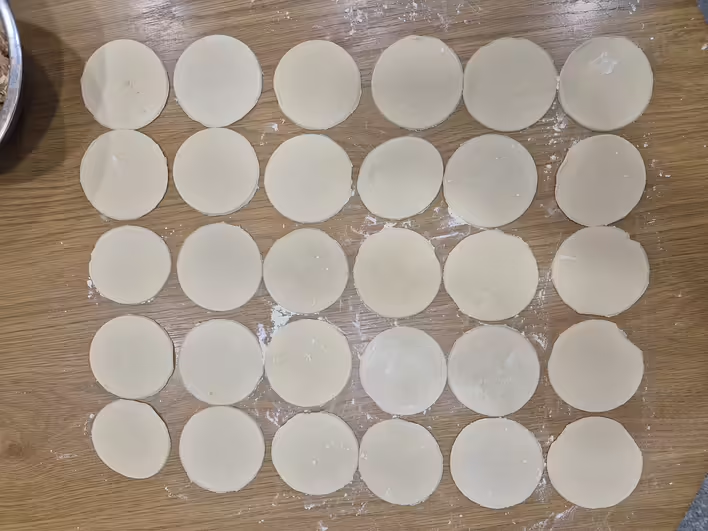
When the dough has rested, tear off a small piece and roll it into a circle about 1 mm thick. Using makeshift materials (a mug, a glass) or a special dough cutter, make circles for the gyoza. We used a mug with a diameter of 9.5 cm. From our experience, you can make the circles slightly smaller in diameter.
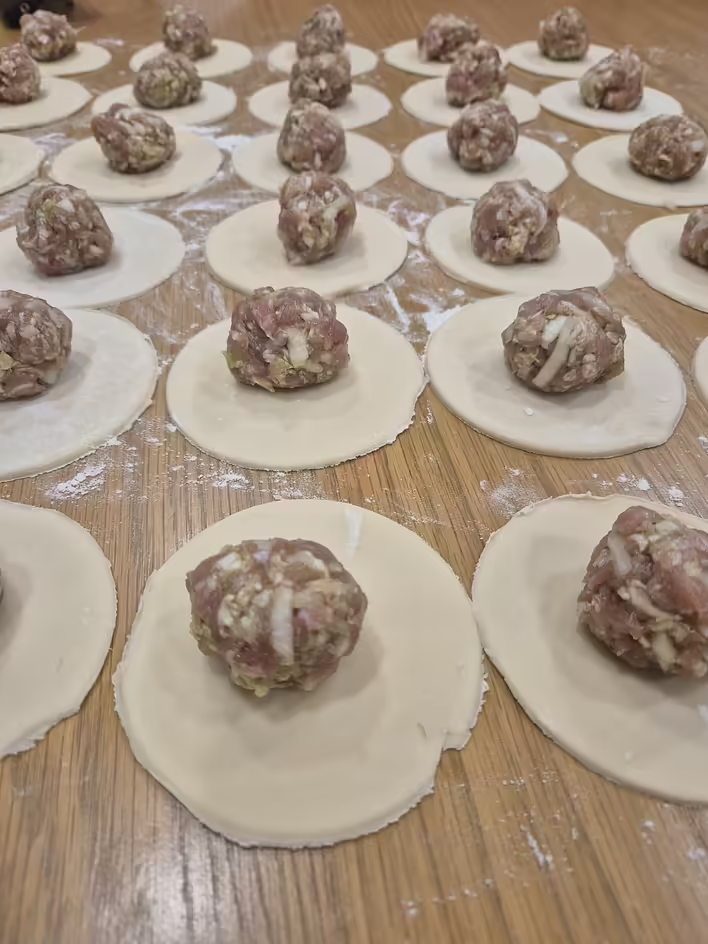
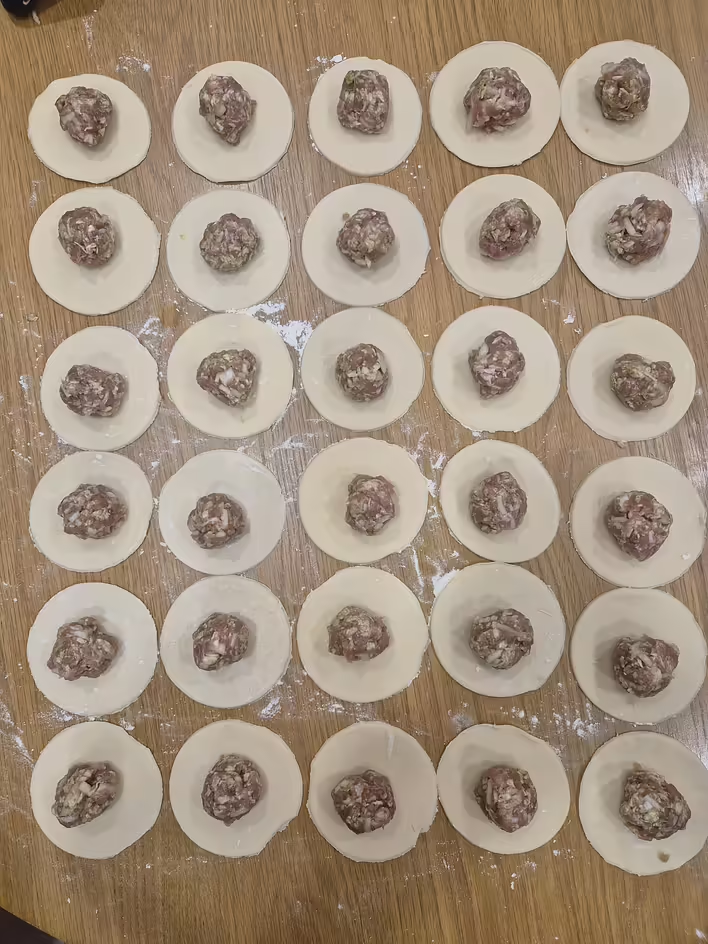
Roll out all the dough, cut out circles, and place the filling in the center. We put 22 grams of filling in each future gyoza.
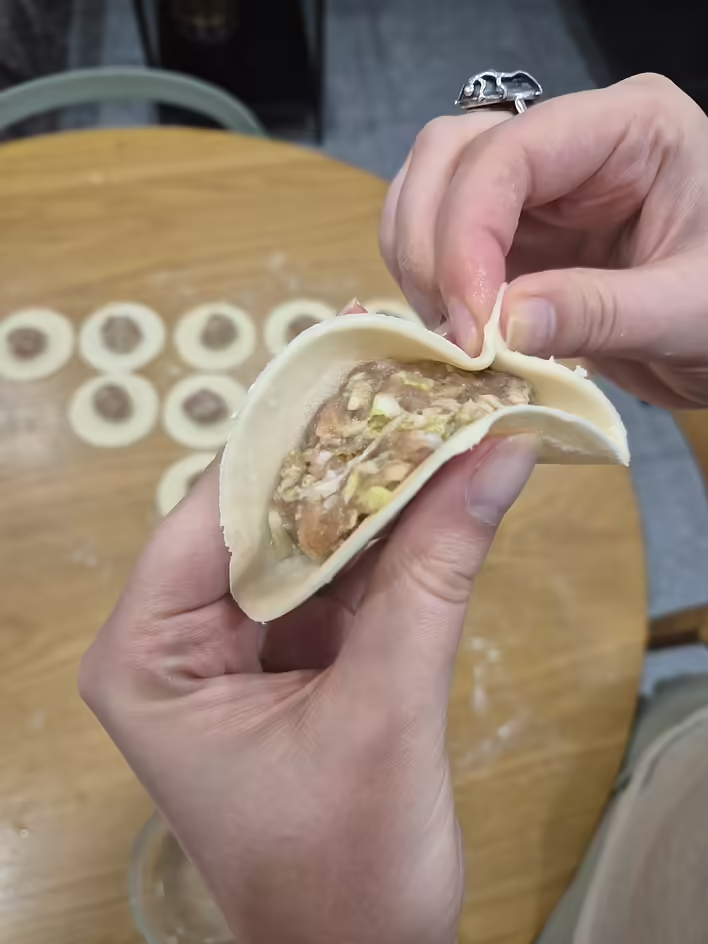
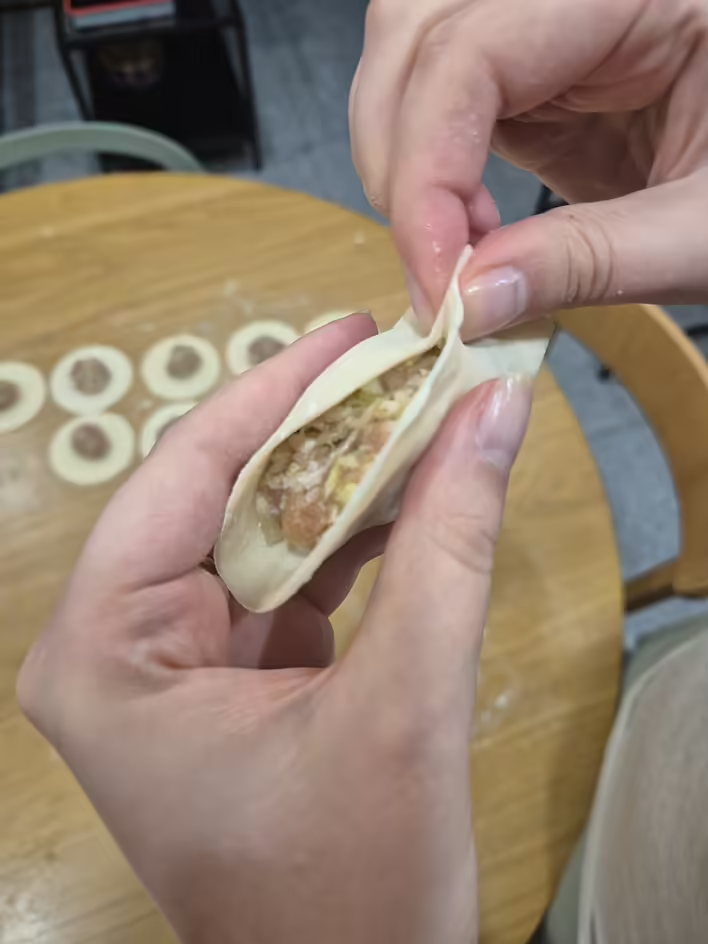
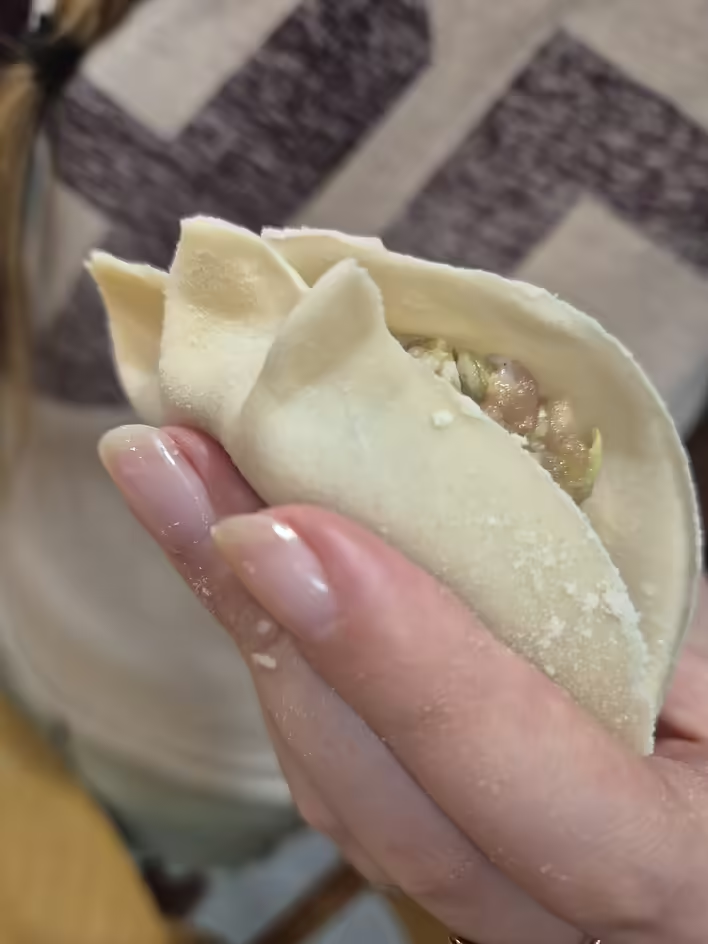
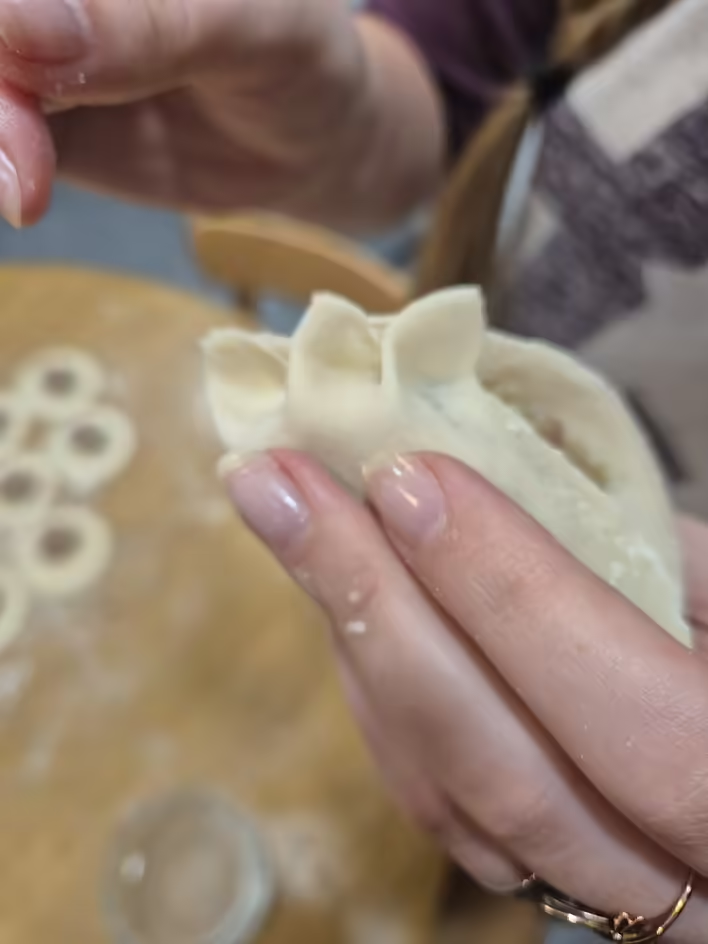
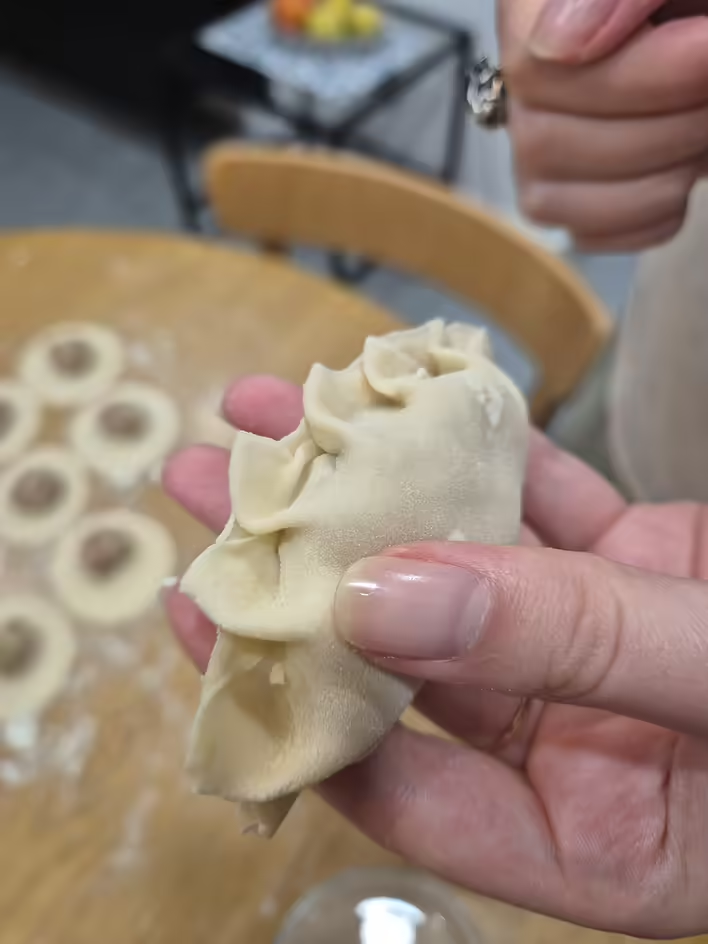
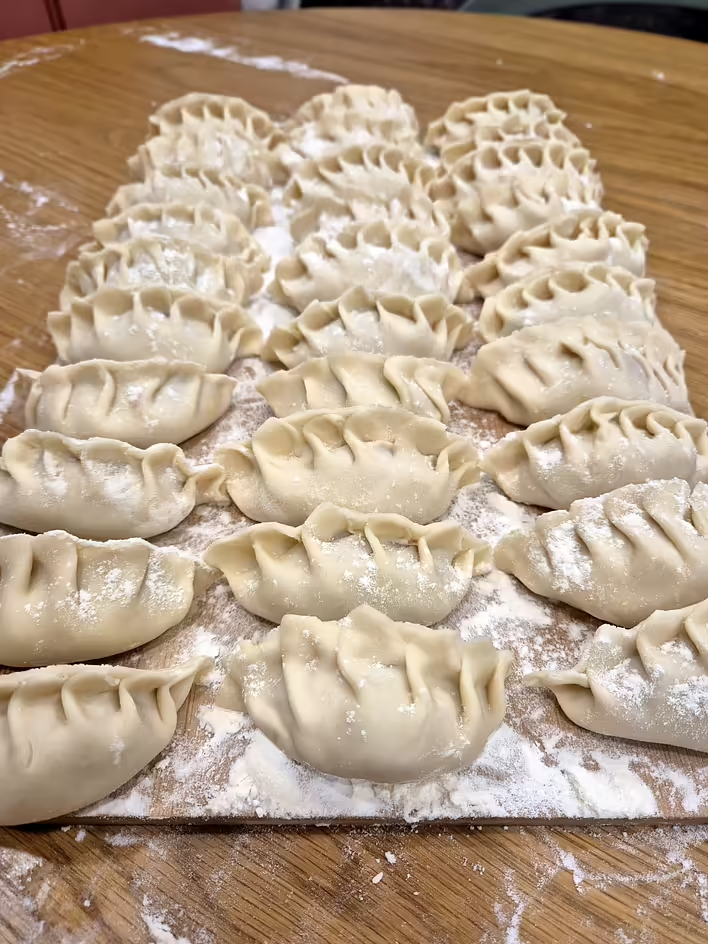
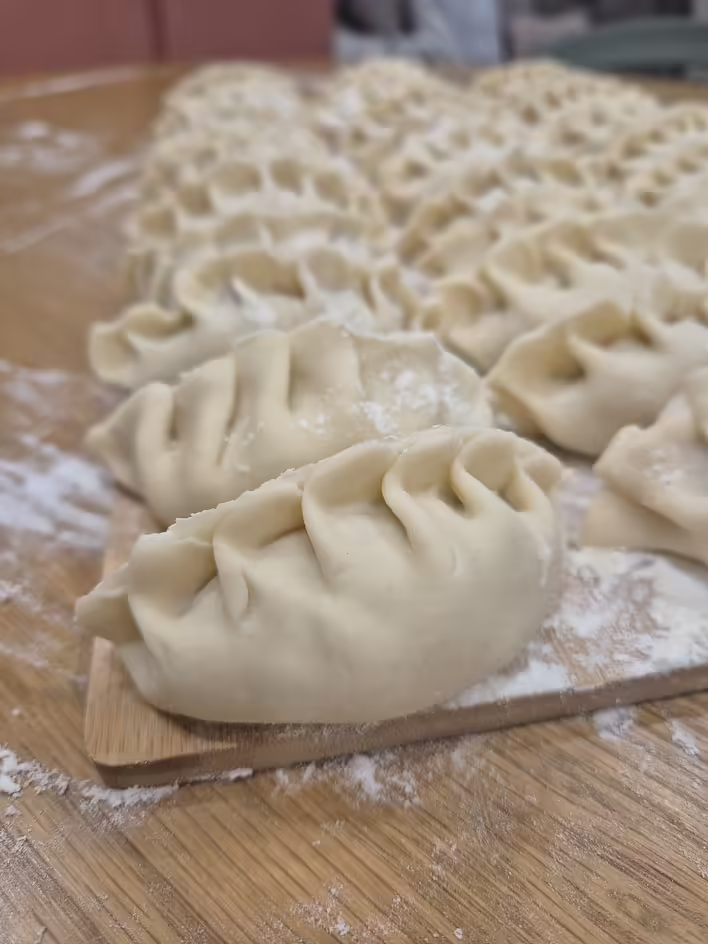
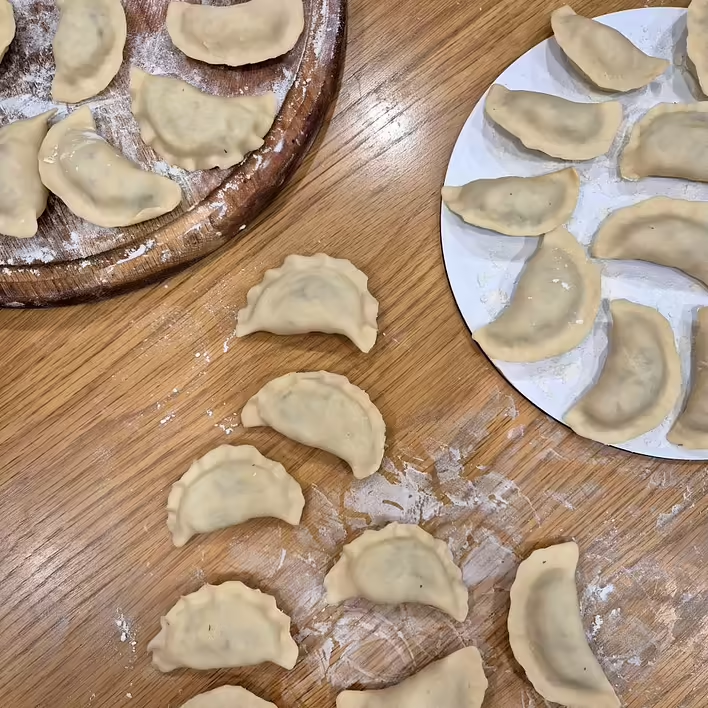
We begin to seal the gyoza. The process is very similar to sealing dumplings, but to achieve the specific “dragon crest,” you need to form pleats on the edges of the circle and seal them on the opposite side. And to ensure the edges stick well, it is necessary to moisten them with water just before sealing.
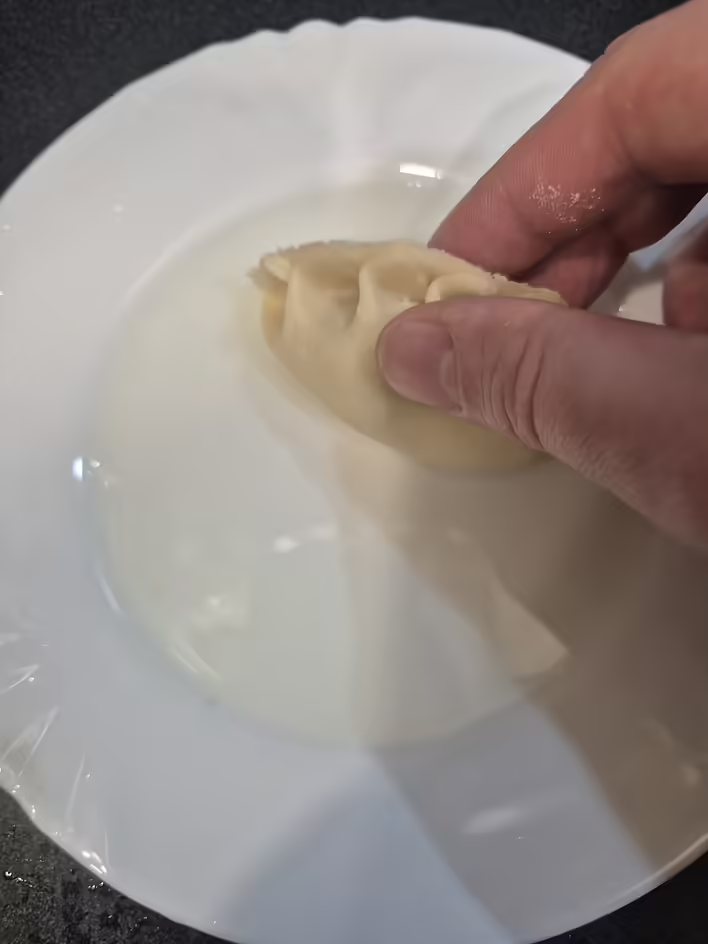
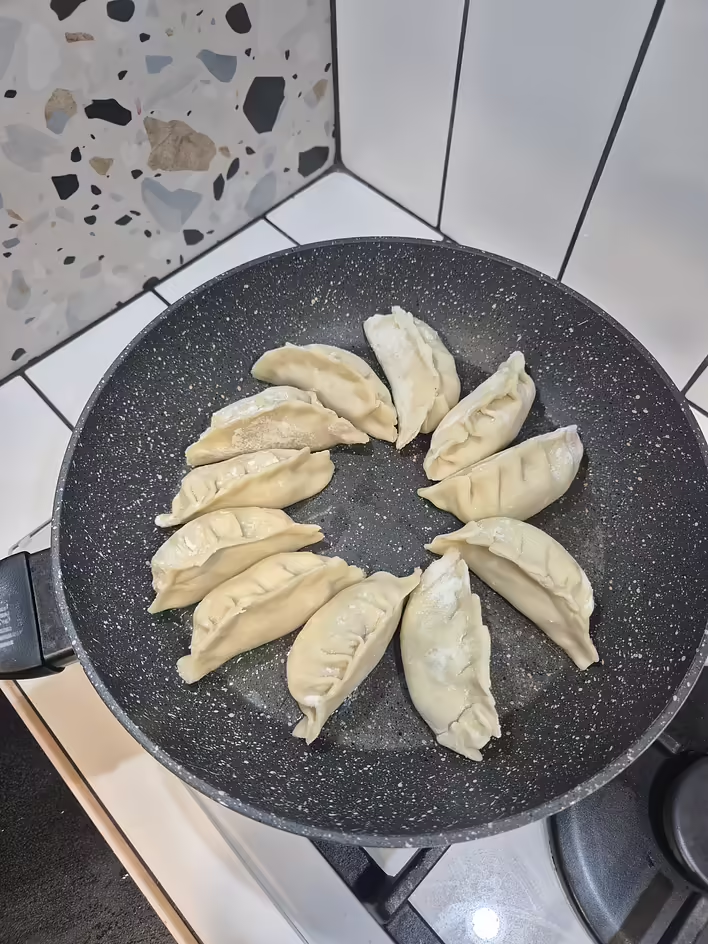
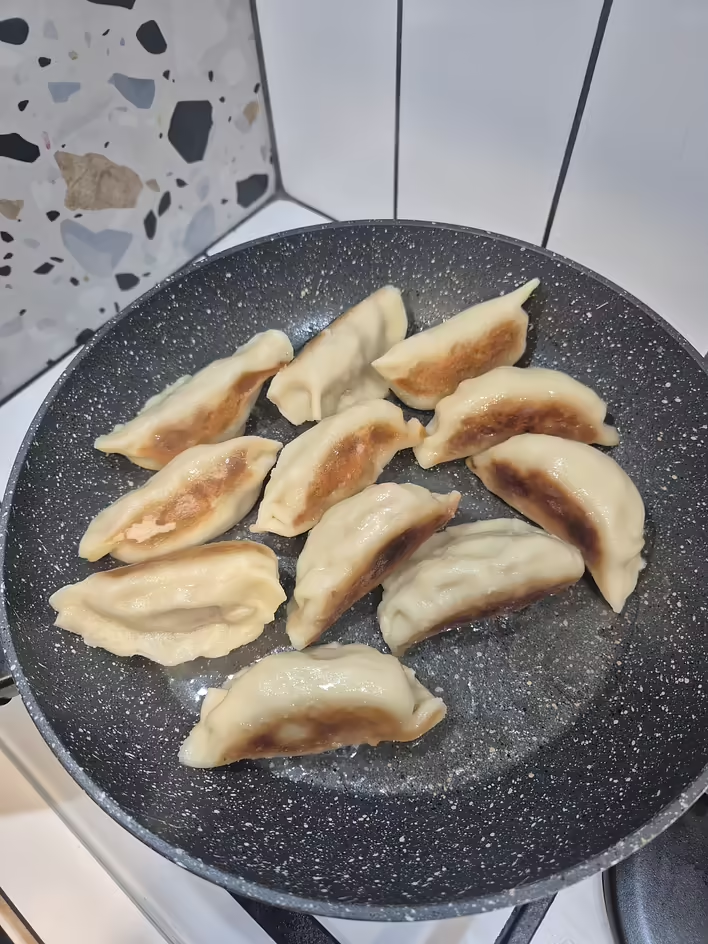
After sealing, we can move on to cooking. First, we will fry the gyoza until a golden crust appears on their flat side. For this, we moisten this flat side of the gyoza in oil and place it on a heated pan.
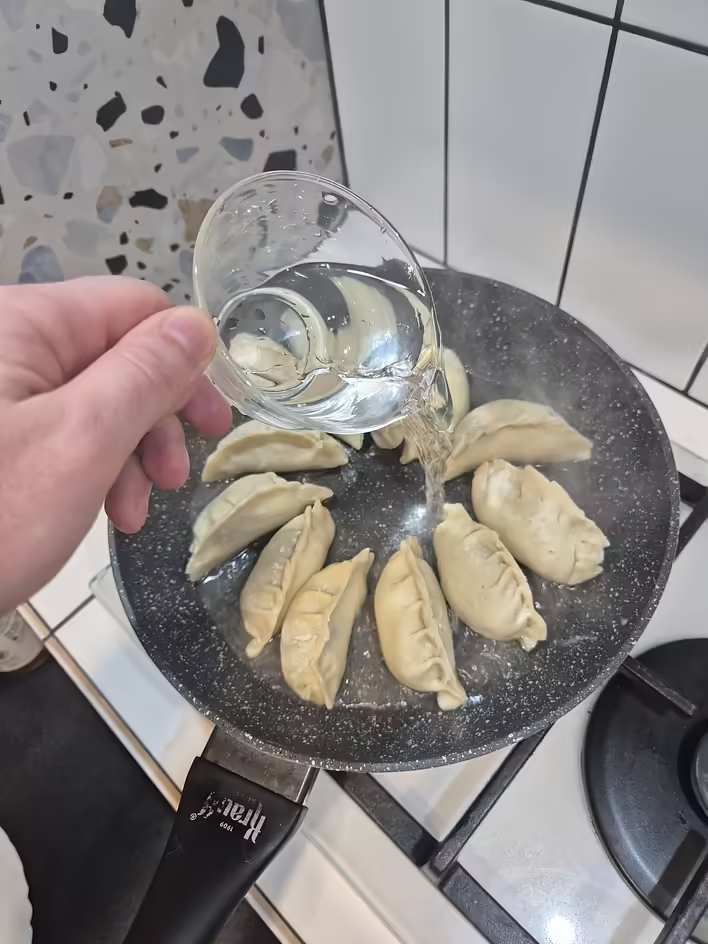
When we achieve the desired color – we add 70-100 ml of water, cover with a lid, reduce the heat, and cook until their surface becomes shiny.
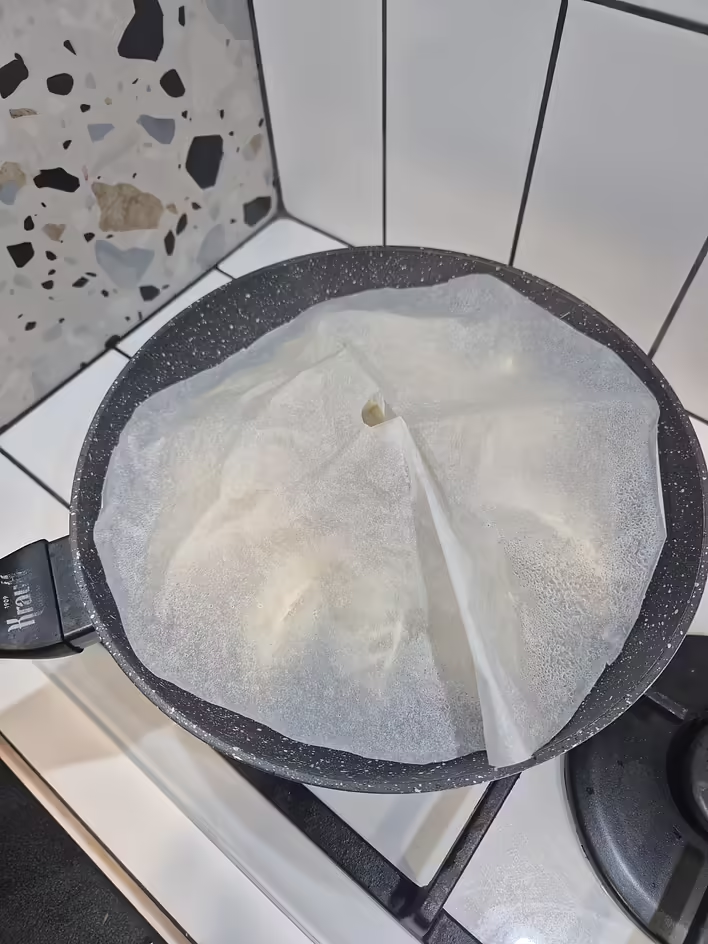
Since we do not have a lid for this pan, we used a life hack – a French culinary technique cartouche: we cut a circle from parchment with a small hole in the center. This served as a lid.
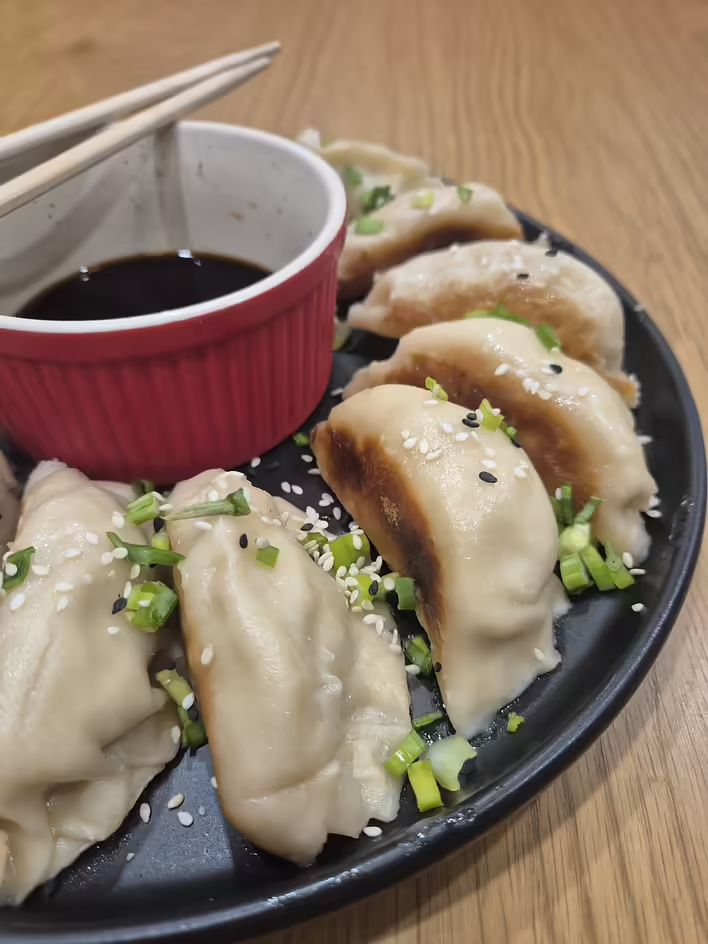
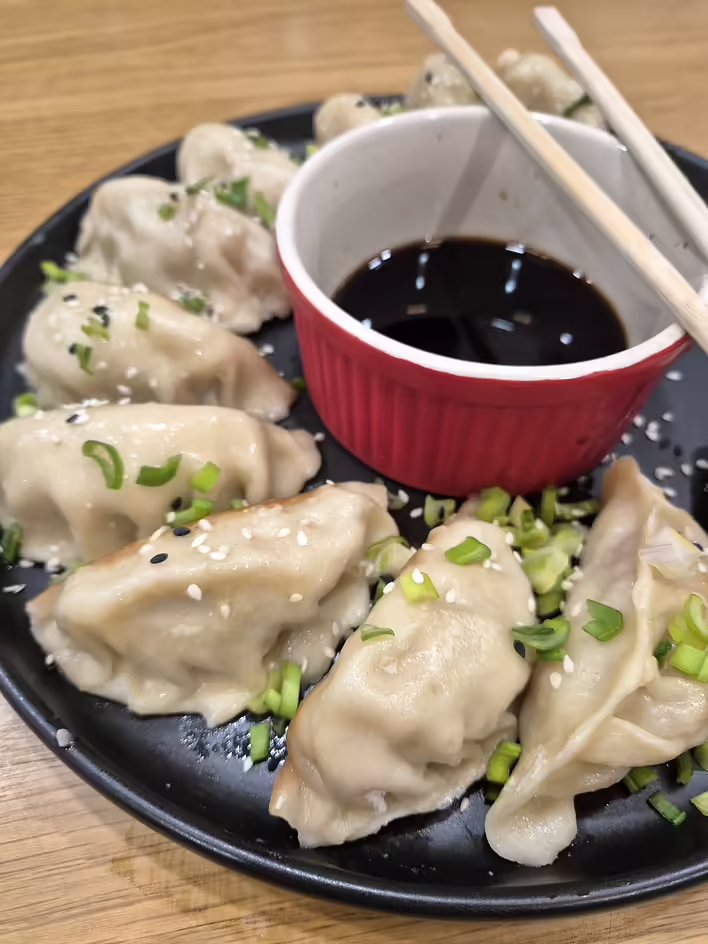
For serving, we prepare a sauce from rice vinegar, soy sauce, and mirin. We sprinkle the finished gyoza with green onion, a mixture of black and white sesame seeds, and enjoy ;)
There is also a very interesting combination of gyoza and unagi sauce. It is sweet and works wonderfully with all the flavors of the filling. Enjoy!