This content has been automatically translated from Ukrainian.
When talking about the Cossack era, it is impossible to overlook the words that convey the spirit of that time, its customs, and symbolism. Some of them have entered modern language, while others remain in history as markers of Ukrainian independence and struggle. "Dzhura," "sichovyk," and "kleynody" – three concepts that unveil the past and help us better understand the structure, traditions, and peculiarities of Cossack life.
Dzhura – the beginning of the Cossack path
The word "dzhura" comes from Turkic languages and means "servant," "assistant," "companion." In Cossack circles, young boys learning military affairs under the guidance of experienced Cossacks were called dzhuras. This was a kind of trial period during which the youths acquired combat skills, took care of weapons, mastered traditions, and learned to survive in the harsh conditions of the steppe.
The dzhura did not just follow orders from the elders – he was preparing to become a true Cossack. Folk songs and literature often mention that dzhuras accompanied the hetmans and atamans in campaigns, carried their weapons, and took care of the horses. Being a dzhura was a great honor and responsibility, as Cossacks instilled in the youth not only military valor but also loyalty to brotherhood, honor, and devotion to their homeland.
Sichovyk – a warrior of the Zaporizhian Sich
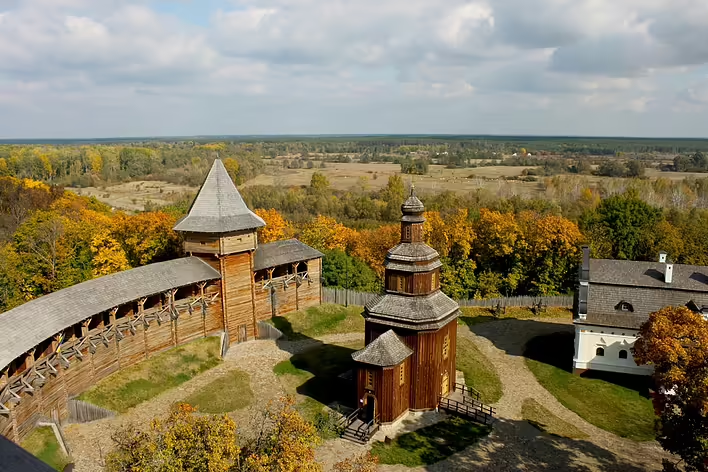
The term "sichovyk" comes from the word "Sich," which means a fortified settlement of Cossacks. The Zaporizhian Sich was the heart of the Cossack republic, the place where the fate of Ukraine was shaped. It was here that military units were formed, important decisions were made, and the idea of freedom was forged.
Sichoviks were those who lived in the Sich and were full members of it. They were brave warriors who had no family obligations and dedicated their lives to military affairs. Their main duty was to protect Ukrainian lands from enemy attacks, participate in campaigns, and maintain order in Cossack society. Sichoviks were renowned for their fearlessness, skill in battle, and loyalty to their comrades.
Over time, the word "sichovyk" became associated not only with Cossacks but also with military formations of the early 20th century – the Ukrainian Sich Riflemen, who fought for Ukraine's independence.
Kleynody – symbols of power and honor
"Kleynody" are special insignia that symbolized the power and dignity of the Cossack elite. This word has German origins ("kleinod" – "jewel," "treasure"), but in Ukrainian history, it has acquired special significance.
Kleynody referred to the hetman's mace, staff, banners, kettledrums, flags, and seals. They served not just as decorations but were true symbols of military might and Cossack autonomy. For example, the mace was considered the main insignia of the hetman's power, while the staff symbolized his military might. Cossacks treated kleynody with special respect, as their loss meant a humiliation of the honor of the entire Cossack army.
Even after the decline of the Zaporizhian Sich, kleynody remained an important element of Ukrainian symbolism. Today, they are used in the design of state awards, and their images can be seen on the coats of arms of Ukrainian cities and regions.
Cossack heritage in modern culture
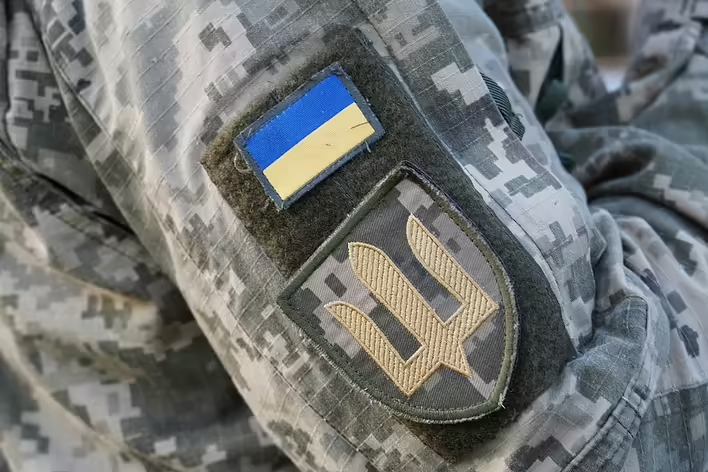
Although the times of the Cossacks are in the past, their traditions and symbols continue to live on in modern Ukraine. Dzhuras are now referred to as participants in the All-Ukrainian children's and youth military-patriotic game "Sokil" ("Dzhura"), which aims to instill patriotism, strength of spirit, and responsibility in the youth. The word "sichovyk" is associated with fighters for Ukraine's independence in various historical periods. And kleynody still remain symbols of power, honor, and national pride.
The Cossack era has etched not only words into the Ukrainian language but also an entire system of values – loyalty, honor, courage, and the struggle for freedom. Therefore, every time we say "dzhura," "sichovyk," or "kleynody," we recall the glorious past that inspires us even today.
Like it?React
🧵
This post doesn't have any additions from the author yet.