This content has been automatically translated from Ukrainian.
Kulish – Cossack energy in one dish
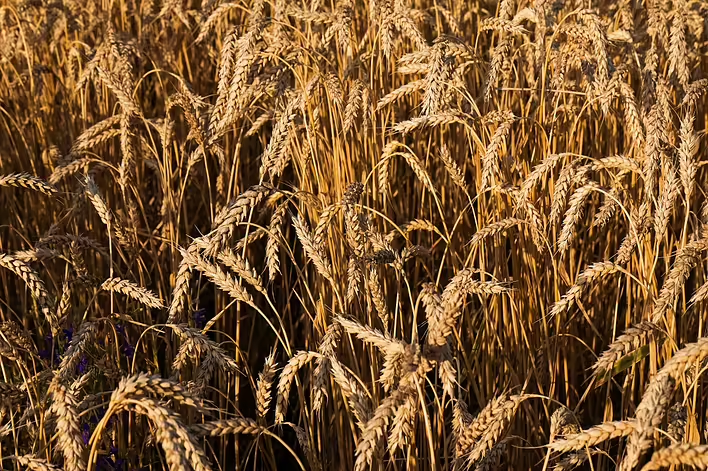
If you have ever been outdoors and cooked porridge over a fire, you may not have realized that you were recreating the traditions of the Zaporizhian Cossacks. Kulish is one of the oldest Ukrainian dishes, prepared on campaigns by the Cossacks of Zaporizhian Sich. Its main ingredient is millet, which stored well and did not spoil during long journeys.
The classic kulish was cooked in water or broth with the addition of lard, onions, and garlic. Richer variants included meat, cracklings, and herbs. Due to its nutritional value and simplicity, kulish became a true lifesaver on distant campaigns, providing Cossacks with strength and energy.
The name "kulish" comes from Turkic languages, where the word "qulіš" meant "mixing." Indeed, this dish is prepared by mixing all the ingredients in one pot, making it not only hearty but also quite simple to prepare.
Today, kulish remains a popular dish among tourists and outdoor enthusiasts, as it is easy to prepare in the open air. Some even make it at home, adding modern ingredients like mushrooms or cream, making kulish even tastier.
Vereshchaka – a dish that "squeals"
Can you eat "vereshchaka"? If you do not know what this dish is, the name might suggest something unusual. However, vereshchaka is a very tasty meat dish that comes from the ancient cuisine of Ukrainian towns.
This dish is made from ribs, usually pork, which are stewed in beer or kvass with onions and spices. Some recipes include the addition of beet kvass, giving the dish a special sweet-sour taste. During cooking, the meat sizzles intensely in the pan or pot, and the sounds it makes resemble squealing. That is why the dish received such an interesting name – vereshchaka.
There is a legend that this dish dates back to the time of Hetman Ivan Mazepa. Allegedly, one of the cooks named Vereshchaka invented this method of cooking meat, and his recipe was so liked by the hetman that the dish was named after its creator.
Today, vereshchaka is mainly known in the central regions of Ukraine, and although it is not as popular as borscht or dumplings, true gourmets will definitely appreciate its rich taste and aroma.
Zavivanets – not just a sweet delight
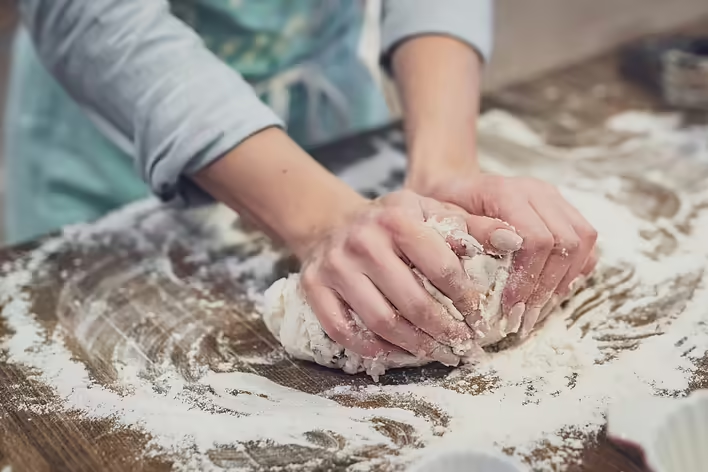
Another interesting dish with an unusual name is zavivanets. This word seems to hint that the dish has some twisted shape, and it really does! Zavivantsi can be either sweet or meaty, but they all share a common feature – a filling that is wrapped in dough or meat.
The most famous variant is the sweet zavivanets, which resembles a roll. It is made from yeast or puff pastry, adding poppy, nut, or fruit filling. In ancient times, such zavivantsi were baked for major holidays, especially for Christmas and Easter.
A less known, but no less tasty variant is the meat zavivanets. This is a piece of meat (often pork or beef) that is stuffed with mushrooms, cheese, or vegetables, then rolled up and baked. Such a zavivanets is a great alternative to traditional roasted meat.
The name "zavivanets" comes from the word "zavivati," which means "to roll, to twist." Thus, this dish earned its name quite deservedly – as its main feature is its shape.
Ukrainian cuisine is filled not only with delicious but also interestingly named dishes. Kulish, vereshchaka, and zavivanets are just three examples, but each has a rich history and a unique taste that is passed down from generation to generation. Our ancestors not only invented tasty recipes but also endowed them with poetic, metaphorical names that tell about the cooking method, special properties, or even legends.
So, if you haven't tried these dishes yet – be sure to do so! Perhaps they will become your favorites, and their unusual names will spark interesting conversations at the table.
Like it?React
🧵
This post doesn't have any additions from the author yet.