This content has been automatically translated from Ukrainian.
Ukrainian mythology is an endless well of amazing creatures intertwined with folk beliefs, tales, and even everyday life. Some of them still live on in our proverbs, folklore, and even modern slang. One of the brightest themes in demonology is nature spirits – mermaids and nymphs, as well as the mysterious chugayster, who, despite his terrifying appearance, can be a savior in the forest. How have they influenced the Ukrainian language? Let's figure it out.
Mermaids – water spirits that laugh and cry
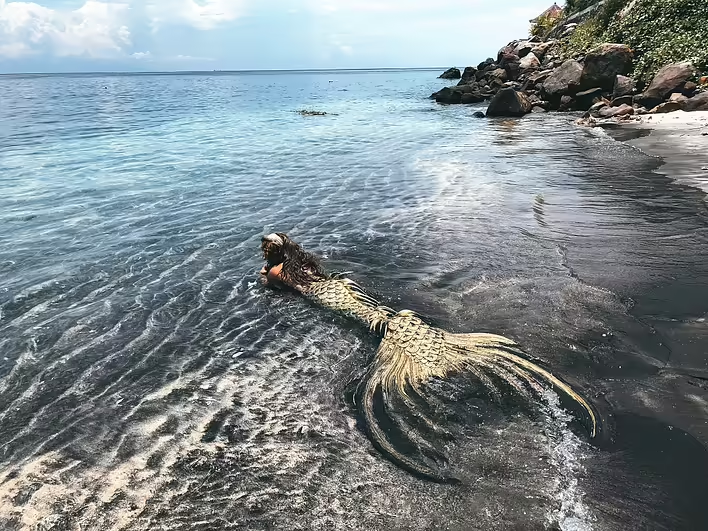
When we hear the word “mermaid”, we imagine a beautiful girl with long hair living in the water. But in Ukrainian folklore, mermaids are not romantic creatures at all. They are the souls of dead children, girls who drowned, or victims of tragic love. According to legends, they could lure people with their singing and laughter to pull them into the water.
Ukrainians believed that mermaids come ashore during mermaid week (late May – early June). That’s why the saying “to walk like a mermaid on the shore” appeared in the folk, meaning to wander aimlessly as if searching for something. Or “mermaid's laughter” – when cheerfulness seems unnatural, hiding something evil.
Interestingly, in some regions of Ukraine, mermaids were called mavkas, although mavkas had their own characteristics.
Nymphs and Mavkas – forest spirits with seductive voices
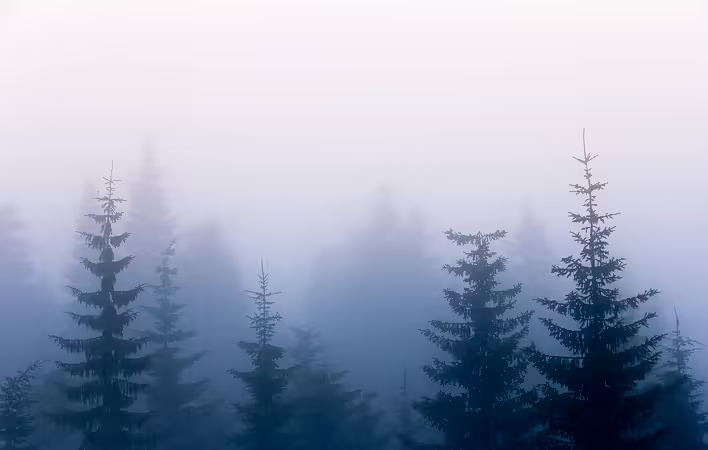
Nymphs are forest spirits resembling mermaids, but they are not tied to water. According to legends, nymphs were the souls of girls who died unnatural deaths. They appeared as beautiful young women with long hair but without shadows. It was believed that if a person saw a nymph, they could be enchanted and lost in the forest.
From this, folk expressions arose:
- “to lead astray like a nymph in the thicket” – to confuse, to mislead;
- “to nymph like a nymph” – about a person with a thin, alluring voice.
In the Carpathians and Polissia, mavkas were often imagined as nature spirits that could help or harm people. They are the subject of numerous folk tales and even literary works, such as Lesya Ukrainka's fairy drama “Forest Song”, where the mavka appears as a symbol of freedom and love.
Chugayster – the white giant who dislikes nymphs
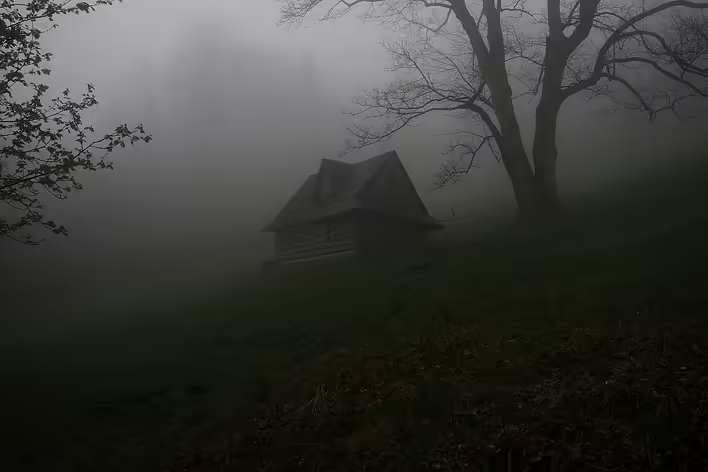
The chugayster is one of the most interesting figures in Ukrainian demonology. He is a forest spirit-giant who looks like a hairy old man in a white fur coat. He does not harm people; on the contrary, he helps travelers in the forest and protects them from nymphs. The chugayster loves to have fun, dance, and may even invite a person to dance. However, if one refuses – he may take offense, but usually, he is not aggressive.
In folk language, the image of the chugayster is encountered less frequently, but his name is sometimes used to refer to large, clumsy people: “walks like a chugayster” – about a tall and stocky man.
Ukrainian demonology in language today
Despite the fact that the modern world seems far from magical creatures, demonological characters have not disappeared completely. Mermaids, nymphs, and the chugayster have left their mark in folklore, proverbs, and even literature. For example, in cinema, books, and music, references to these beings are becoming more frequent.
From ancient beliefs to everyday language – demonology continues to live among us, even if we do not notice it. Perhaps the next time you hear someone's mysterious laughter in the forest or feel an inexplicable fear near the water, it’s worth remembering that Ukrainian mythology has not yet said its last word.
Like it?React
🧵
This post doesn't have any additions from the author yet.