Gavaksha is a decorative element found in Indian architecture, particularly in temple architecture.
Gavaksha is focused on a round or horseshoe arch that adorns many examples of Indian architecture, carved in rock, and later Indian structural temples and other buildings.
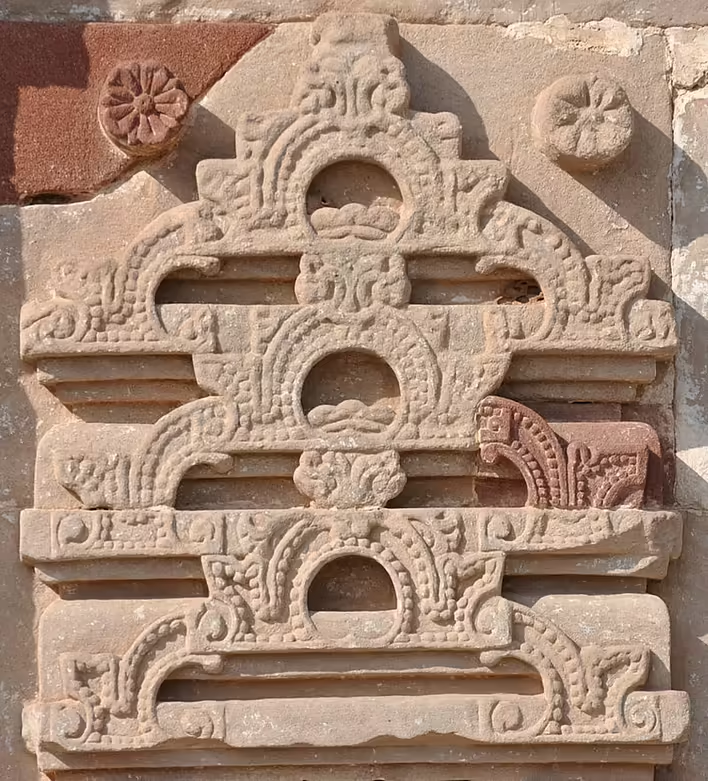
Нагромаджені Gavakshas в Осіані, Джодхпур. "Джерело - Вікіпедія"
The Origin of the Term Gavaksha
This term originates from the Sanskrit language, where "gava" means "cow," and "aksha" means "eye." In Hindu temples, their role is envisioned as a symbolic emanation of light and brilliance from the central icon in its sanctum. Additionally, they are described as a window from which the deity may gaze upon the world.
In its original form, the arch takes the shape of a cross-section of a barrel-vaulted ceiling. It is called a chaitya arch if it is used on the facade of a chaitya hall around a single large window. In later forms, it evolves far beyond this type and becomes a very flexible unit, "the most common motif in Hindu temple architecture."
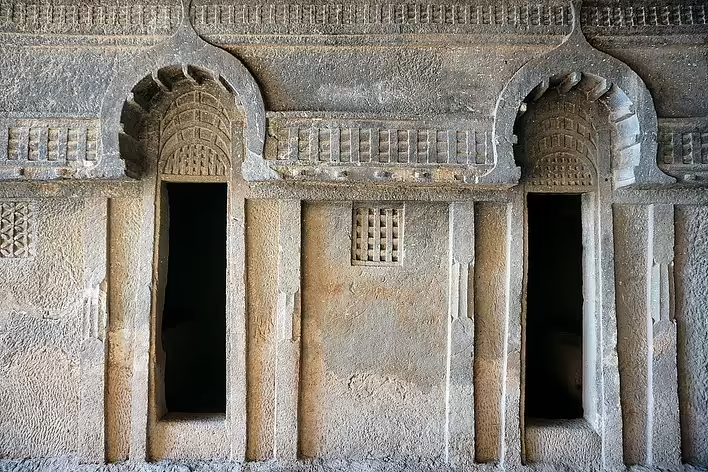
Мотив арки чайтья у віхарі в печерах Бедзе. "Джерело - Вікіпедія"
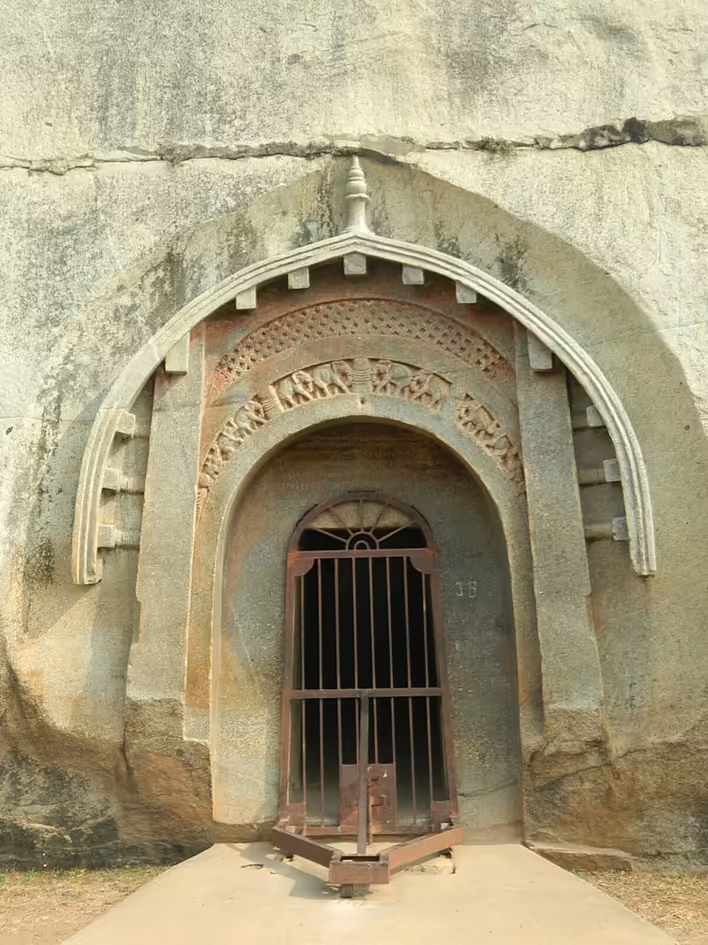
Like all classical chaityas, the form originated in the shape of wooden thatched roofs of buildings, none of which have survived; the oldest version of a stone copy of such roofs is located at the entrance to the non-Buddhist Lomas Rishi cave, one of the man-made Barabar caves in Bihar.
Найдавніша збережена арка чайтья біля входу в печеру Ломас Ріші , III століття до нашої ери. "Джерело - Вікіпедія"
Is Gavaksha Used Today?
In new buildings of Indian temples, especially those built in styles that correspond to traditional Indian architecture, such as Nagara or Vesara, Gavaksha may be used as one of the key decorative elements. Its use reflects the traditionality and beauty of Indian architecture.
Being an important part of India's cultural and religious context, Gavaksha and similar decorative elements continue to be popular in modern architecture and retain their significance as symbols and expressions of art and faith.
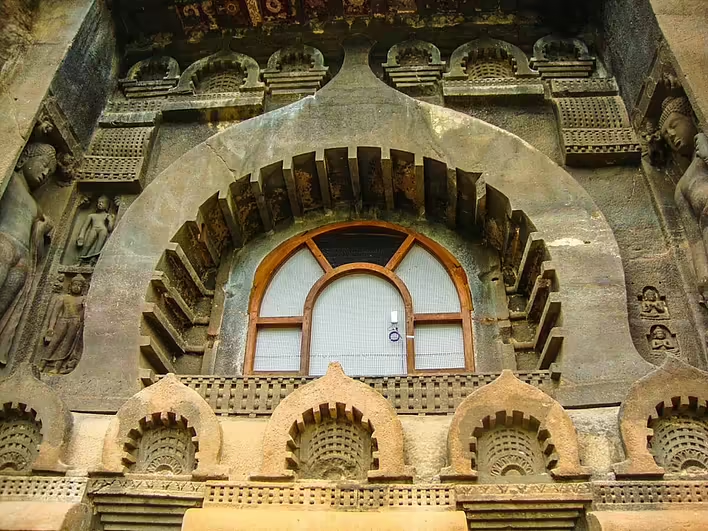
Зовнішній вигляд залу чайтья, печера 9, печери Аджанта, 1 століття до нашої ери. Віконна рама арки Чайтья повторюється кілька разів як декоративний мотив.