This content has been automatically translated from Ukrainian.
Cavetto is an architectural element that is typically used in the decorative finishing of architectural details. It is a small curved recess or projection that usually takes the form of a semicircle or semi-ellipse.
(Cavetto can also be used in furniture, picture frames, metalworking, and other decorative arts).
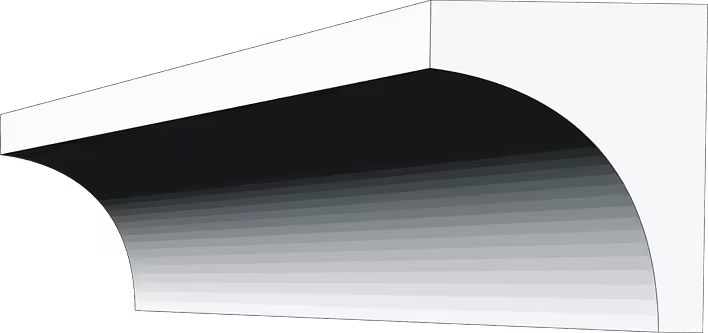
The word originates from Italian as a diminutive of the word cave, from the Latin “cavity”. The colloquial alternative is “cove”, which is most often used where interior walls curve at the top to make the transition to the roof, or for “inverted” cavetto at the base of elements.
The Origin of “Cavetto”
The origin of “Cavetto” can be traced back to the ancient architecture of Egypt, Greece, and Rome. In the Greek Doric order, for example, cavetto was used as a cornice element.
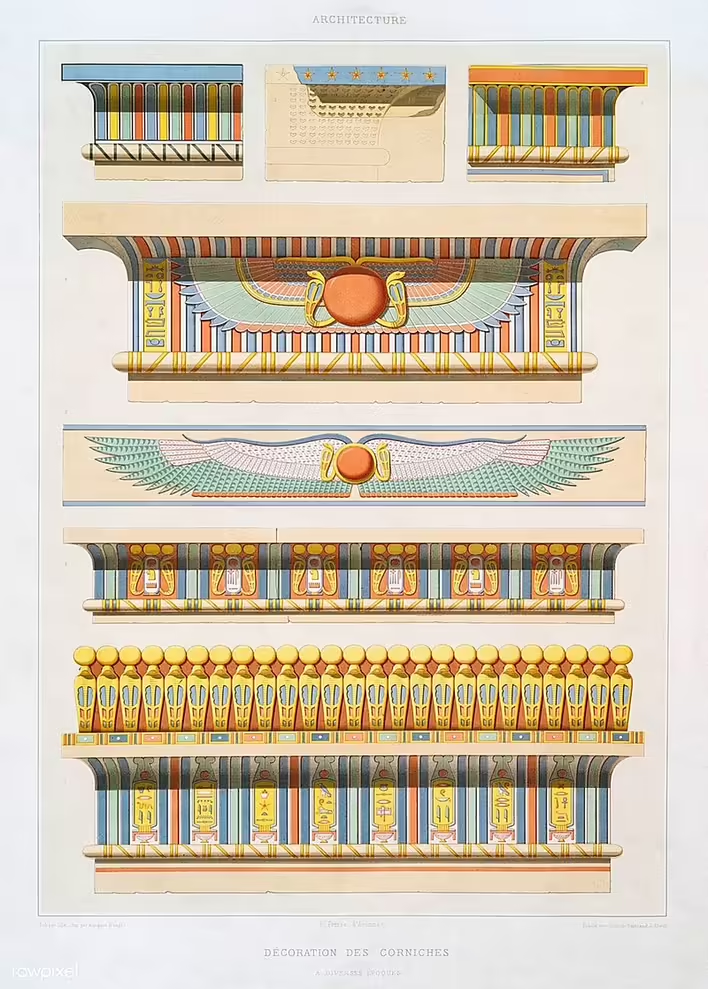
Only a minor decorative element in classical architecture, the prominent cavetto cornice is a common feature of ancient Egyptian and Ancient Near Eastern architecture.

Where is the Cavetto Architectural Element Used?
- Cornices
Cavetto can be used at the bottom of a cornice, where it serves as a decorative element, adding elegance and style.
- Arches
In some architectural styles, cavetto is used at the bottom of arches, where it makes the transition between the arch and the supporting structure smoother.
- Porticos
Cavetto can be used on the inner or outer edge of a portico, creating an additional decorative accent.
- Columns and Pillars
In some cases, cavetto is used at the base of columns or pillars, adding sophistication and grace to their appearance.
- Interior Decoration
In architectural design, cavetto can be used as decorative elements in the interior finishing of rooms.
Nowadays, the cavetto element is often found in the restoration and reconstruction of historical buildings, where it is reproduced or preserved to maintain the authentic architectural style of the time. It can also be used in new buildings as a design element to give them elegance, especially in architectural styles inspired by classical architecture.
Like it?React
🧵
This post doesn't have any additions from the author yet.