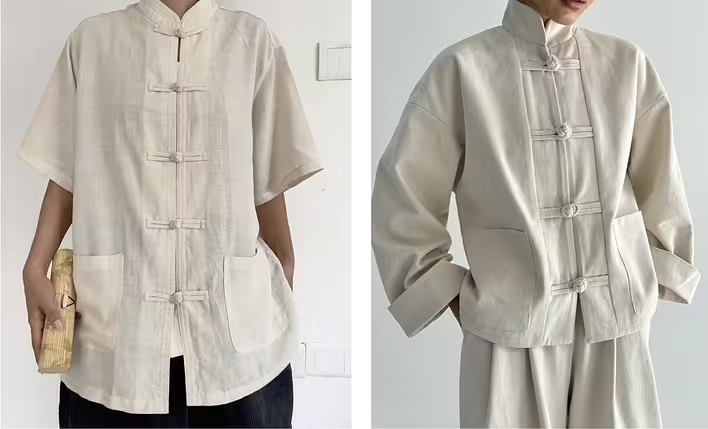
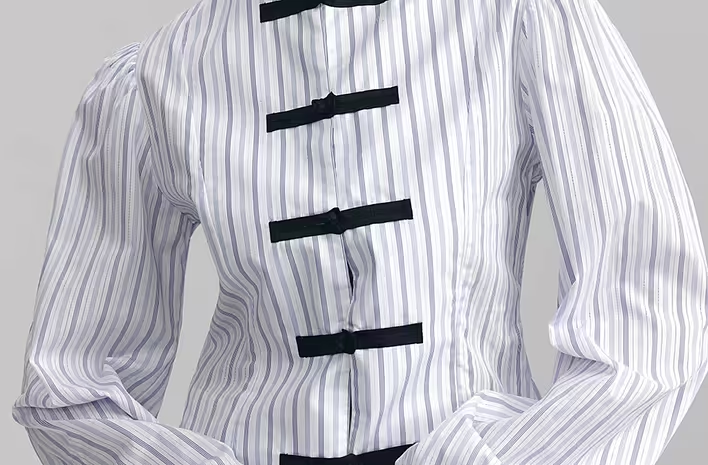
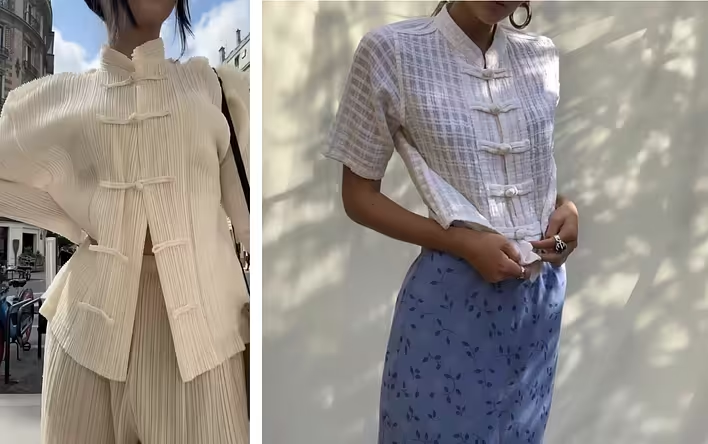
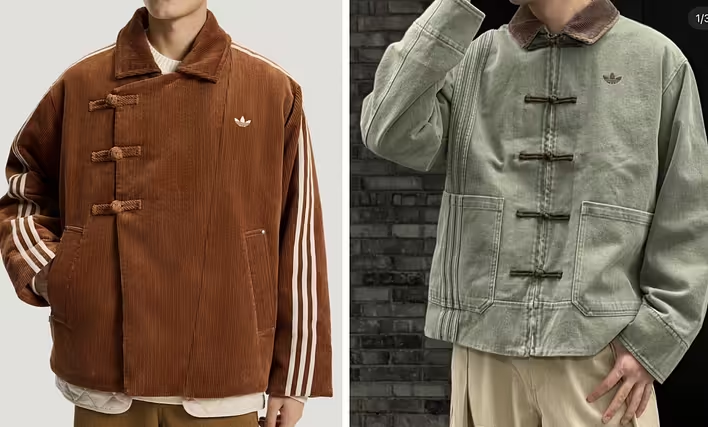
The last few years have seen fashion increasingly turn to items that not only look beautiful but also have their own history. This is why distinctive Chinese knot fasteners — known as frog fasteners or frog buttons in English — have started appearing on runways, in street style, and even in mass market fashion. They can be seen on jackets, dresses, coats, tops, bags, and even shoes. Items in the modern qipao style, linen kimonos with knot fasteners, and minimalist clothing with "Eastern" details have become especially popular.
For many, this is just a decorative element, but in reality, these fasteners have an ancient tradition and their own name — панькоу (pankou). They have been a part of Chinese clothing culture for several centuries, combining practicality, symbolism, and craftsmanship.
What is pankou
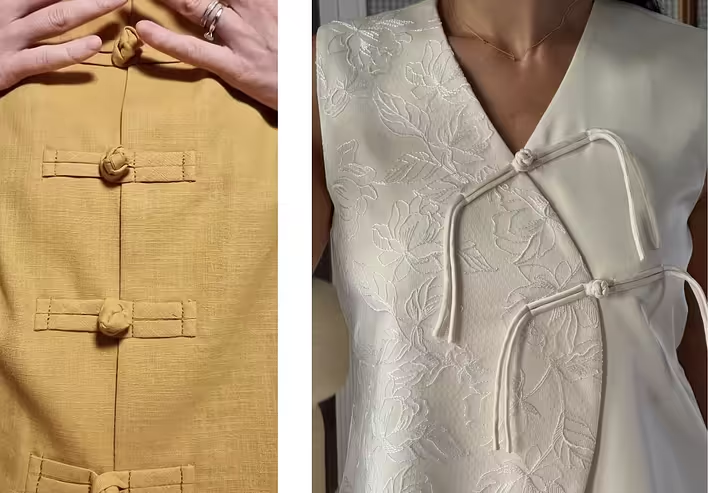
Pankou is a textile fastener made from a cord or fabric strip that is twisted into a decorative knot. One part forms a loop, while the other forms a "button" or knot that passes through it and secures the clothing. Unlike regular buttons, there are no hard parts here: the fastener is entirely textile.
It is precisely because of their shape that Europeans once began calling such fasteners "frogs" — the curved interweavings resembled the legs or silhouette of a small frog. This name became particularly established in Western military and theatrical fashion, where similar fasteners were used on uniforms and costumes.
However, Chinese pankou are much more than just hardware. In traditional clothing, they were a noticeable detail that could indicate status, taste, and even wishes for the wearer.
Interestingly, similar fasteners later appeared in European clothing as well. In the 19th century, "frog fasteners" were used on military uniforms, especially hussar ones. They served both practical and decorative functions. Due to Orientalist fashion, Europe was actively borrowing elements of "Eastern" style at that time, often in a reinterpreted form.
This is why today you can find jackets with "frogs" that externally resemble Chinese pankou but originate from European military tradition. Fashion has reinterpreted this form several times — from theatrical costumes to boho style and modern avant-garde.
From a simple knot to art
It is believed that the predecessors of pankou existed in China many centuries ago when clothing was primarily tied with ribbons and cords. Over time, these ties became increasingly complex and decorative. Pankou became especially popular during the Qing dynasty when clothing such as changshan and qipao spread.
Masters created dozens of forms of knots: flowers, butterflies, clouds, spirals, double loops, symbols of happiness and longevity. Often, the fasteners were handmade from silk, and their weaving required great skill.
In traditional Chinese attire, pankou were almost never an accidental detail. They were chosen to match the fabric, color of the clothing, and even the occasion. For festive attire, more complex knots and bright colors were used, while for everyday wear, simple and restrained ones were preferred.
In Chinese culture, knots hold special significance. Traditional decorative weavings often symbolize harmony, infinity, prosperity, or connections between people. Because of this, pankou were sometimes viewed not just as fasteners but also as a kind of talisman.
Some forms of knots even received their own names and symbolic meanings. For example, double interweavings were associated with marital harmony, while round knots symbolized fullness and completeness.
Why they have become popular again
Modern interest in pankou is linked to several fashion trends. Firstly, people have grown tired of overly "sterile" clothing without character. Textile knots add an element of handmade quality and texture to items.
Secondly, global fashion is experiencing a wave of interest in traditional Asian clothing. Following the popularity of Korean, Japanese, and Chinese aesthetics, designers have started actively incorporating elements of Eastern attire into modern cuts. Pankou fit perfectly into this trend: they are recognizable, decorative, yet minimalist at the same time.
It is also important that such fasteners pair well with the current trend for natural fabrics — linen, cotton, raw silk. Because of this, pankou can often be seen in so-called "quiet luxury," slow fashion, or clothing in the style of zen minimalism.