When people hear about Japanese pop culture, they usually think of anime, manga, or video games. However, there is another phenomenon that has shaped the perception of Japanese science fiction for decades and inspired directors in various countries around the world. This is tokusatsu — a genre of Japanese film and television where giant monsters destroy cities, superheroes in bright costumes fight evil, and spectacular scenes are created using miniature sets, pyrotechnics, and inventive special effects.
The term "tokusatsu" comes from the Japanese phrase tokushu satsuei, which literally means "special filming." Initially, this term referred to any films or television programs that actively used special effects. Over time, the concept gained a much broader meaning and began to denote a distinct tradition of Japanese science fiction with its own heroes, plots, and recognizable aesthetics.
The origins of tokusatsu date back to the first half of the 20th century, but the true flourishing of the genre began after World War II. The Japanese film industry sought to create large-scale science fiction spectacles without the budgets of Hollywood studios. The solution was the use of meticulously crafted miniature city models, vehicle models, and complex costumes for actors.
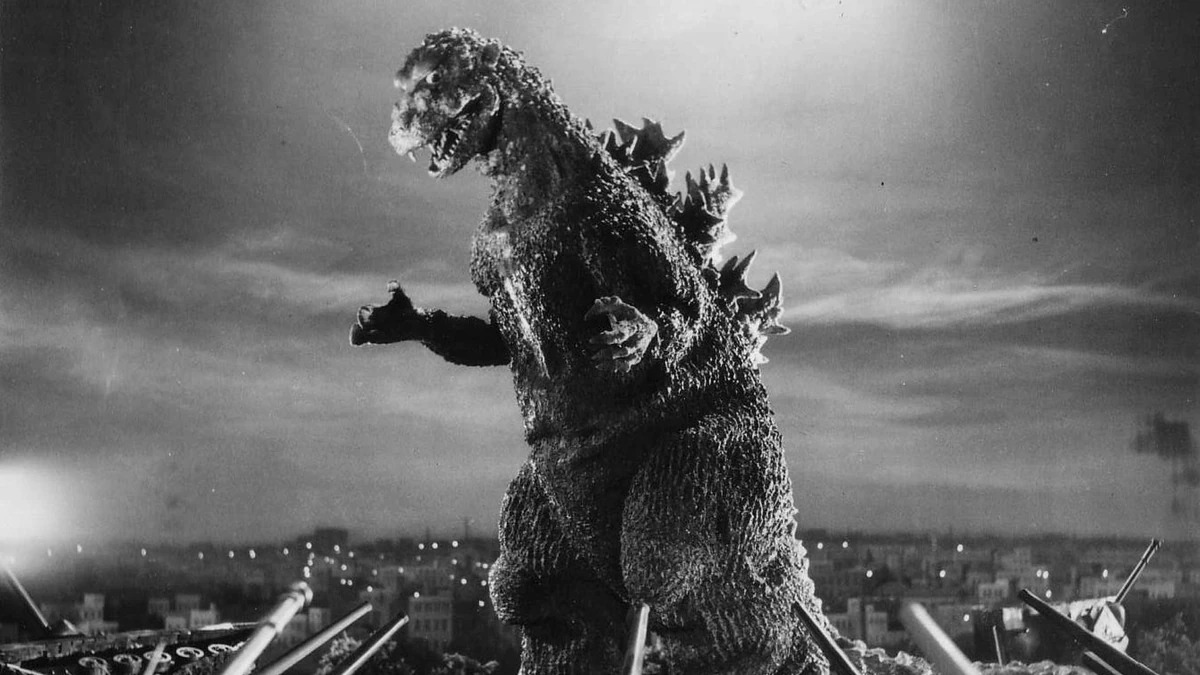
Годзілла
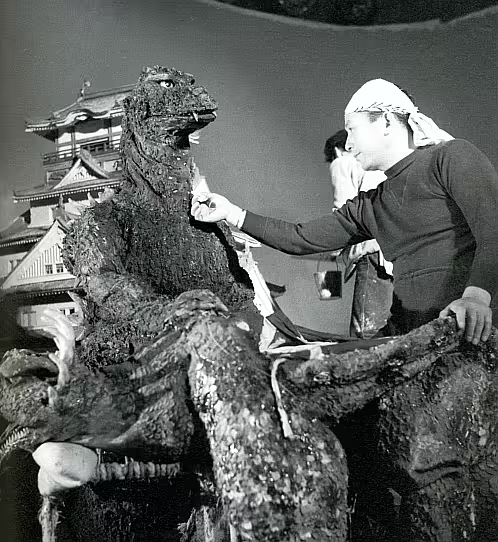
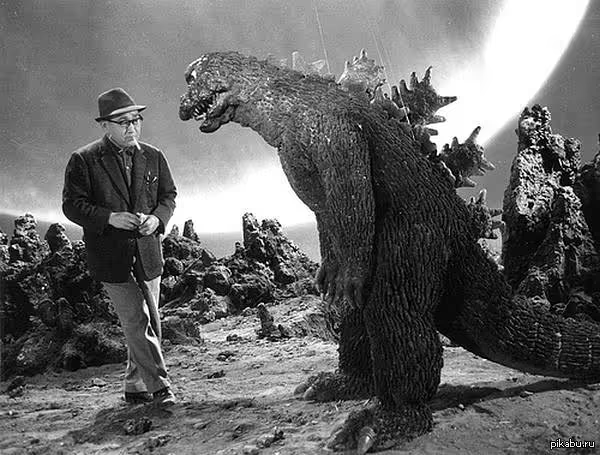
The global fame of tokusatsu was brought about by the emergence of the giant monster Godzilla. In 1954, Godzilla hit the screens, forever changing the history of Japanese science fiction. To create the monster, computer graphics were not used — they did not exist at that time. An actor wore a heavy monster suit and moved among carefully created miniature houses, trains, and streets. This approach was called suitmation — a combination of the English words suit and animation.
Годзілла
Today, such effects may seem naive, but they became one of the main features of tokusatsu. Artists and engineers created entire cities on a reduced scale and then dramatically destroyed them for a few minutes of screen time. Many fans of the genre still believe that real sets and physical effects have a special convincingness that is sometimes lacking in computer graphics.
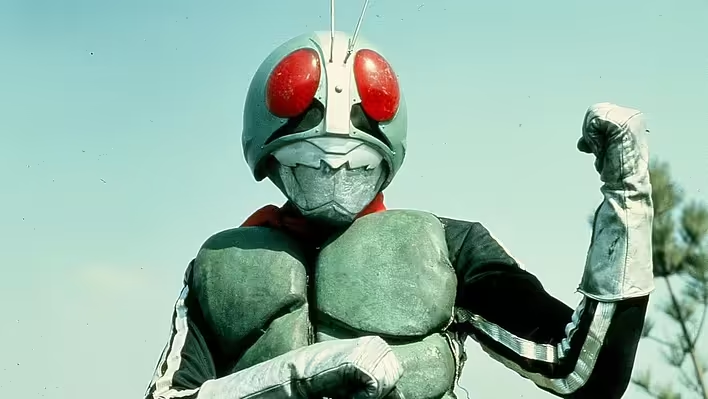
Over time, tokusatsu ceased to be limited to monster stories. In the 1960s and 1970s, superhero series gained immense popularity. One of the most famous was Kamen Rider — a story about a motorcycle-riding hero who fights against criminal organizations and various monsters. Almost simultaneously, Ultraman appeared — a giant defender of Earth who battles monsters the size of skyscrapers.
Камен Райдер
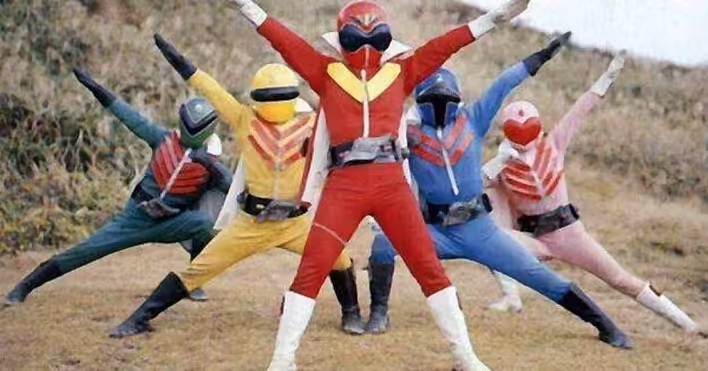
Another symbol of the genre became the Super Sentai series. It later became the basis for the popular Western series Power Rangers. Many viewers were even unaware that a significant portion of the fight scenes in "Power Rangers" was borrowed from the Japanese original.
One of the most interesting features of tokusatsu is its commitment to practical special effects. While the Western film industry increasingly relied on computer graphics, Japanese directors continued to use miniatures, mechanical models, pyrotechnics, and costumes for a long time. This led to the formation of an aesthetic that is unmistakably unique.
At the same time, tokusatsu is not a genre in the narrow sense. It is rather a large creative tradition that can combine science fiction, adventure, action, superhero stories, comedy, and even elements of horror. A common feature for all these works remains the important role of special effects in creating the world and developing the plot.
Супер Сентай
Interestingly, the influence of tokusatsu has long gone beyond Japan. Its elements can be seen in many modern films, series, and video games. Many directors have openly acknowledged that they were captivated by the adventures of Godzilla, Ultraman, or Kamen Rider in their childhood.
Today, tokusatsu continues to evolve. New projects actively use computer graphics, but at the same time, they strive to preserve the spirit of classic films. Audiences still enthusiastically watch the battles of giant monsters, hero transformations, and spectacular explosions that have become an integral part of this cultural phenomenon.
Perhaps the secret of tokusatsu's longevity lies in its sincerity. These stories have never aimed to be absolutely realistic. They invite the viewer to believe in a miracle, where a person in a monster suit can become a legend, and a model city can transform into an entire universe. And for over seventy years, this magic continues to work.