This content has been automatically translated from Ukrainian.
From mid-June, blackcurrants begin to ripen. They can be enjoyed fresh, or you can make a very tasty jam without any seeds. In this post, we will share our own experience of making it.
We will need:
- blackcurrants
- water
- sugar
Preparation
We did not specify the exact quantity of ingredients in the previous block right away, as you may have a different starting amount of berries. Therefore, you will need to adjust the proportions according to each specific case.
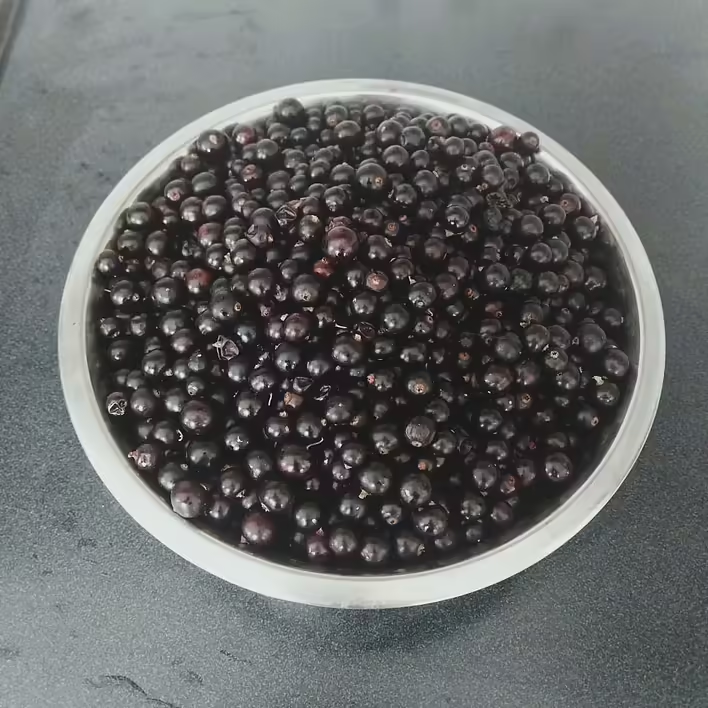
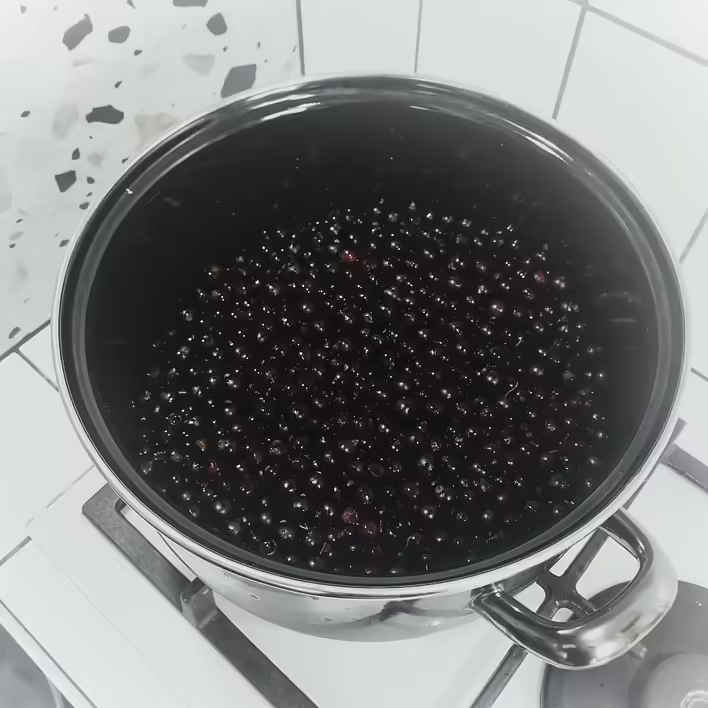
We collected 1600 grams of berries. They need to be carefully sorted, rinsed, and dried with paper towels. Since we first need to pre-cook the berries until softened, we pour them into a pot and add 600 ml of water (about two cups). We turn on a low heat, wait for it to boil, and cook for about 10 minutes. We turn off the heat and let it cool completely.
Using a fine sieve, we start to mash the berries into a separate clean container. This mechanical and most labor-intensive step will help us achieve a jelly-like consistency of the jam, in which there are no seeds.
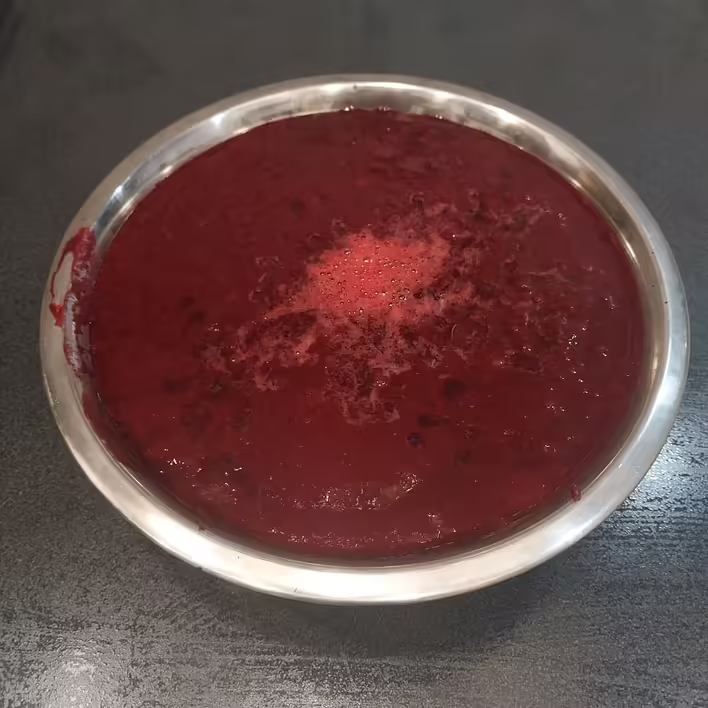
After separating the pulp, we can squeeze out the remaining juice using cheesecloth. We wrap the pulp in it and carefully squeeze it into the container with the mashed juice. We do this as carefully as possible to ensure that no seeds end up in our future jam.
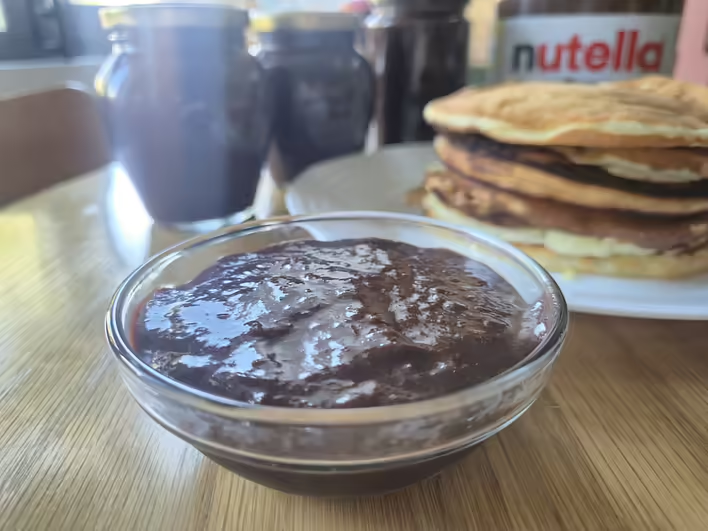
As a result of mashing the cooked berries (a total of 2000 g) through a sieve and squeezing the pulp, we obtained 1660 ml of juice, ready for making jam. In the classic recipes we found (one of them is from a magazine from 20 years ago titled “Confits, Compotes, and Other Fruit Preserves,” which we briefly mentioned in the post about cherry confit), it is recommended to add sugar in a 1:1 ratio. However, considering our previous experience of making blackcurrant jam, it will be too sweet for our taste.
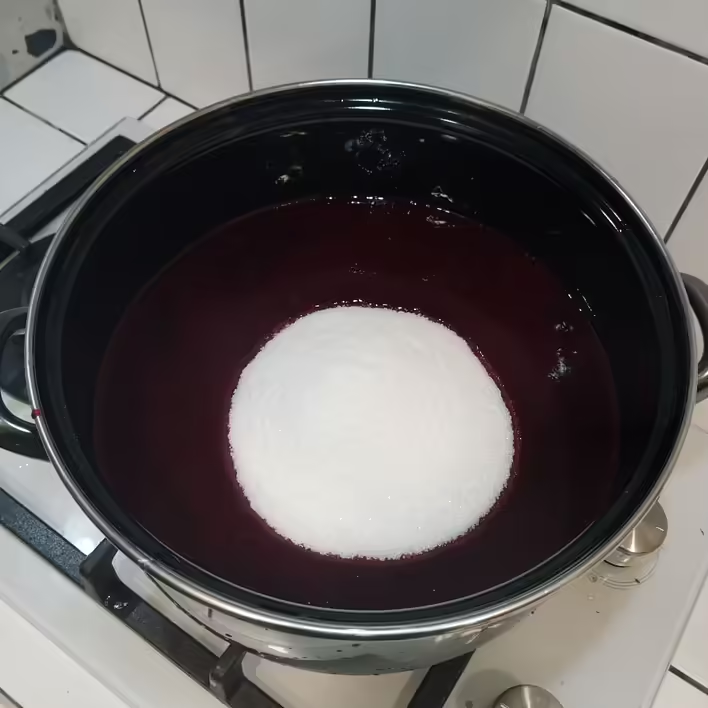
Since blackcurrants contain pectin, which allows the mixture to gel on its own without adding starch or a large amount of sugar, we decided to reduce the amount of sugar and add only 1100 g, meaning the ratio is lower. Essentially, we added exactly one third less sugar than juice.
We mix the sugar with the juice in a pot with a thick bottom, stir thoroughly, bring to a boil, and reduce the heat to the minimum. Stirring carefully and often, we cook the jam for about two hours.
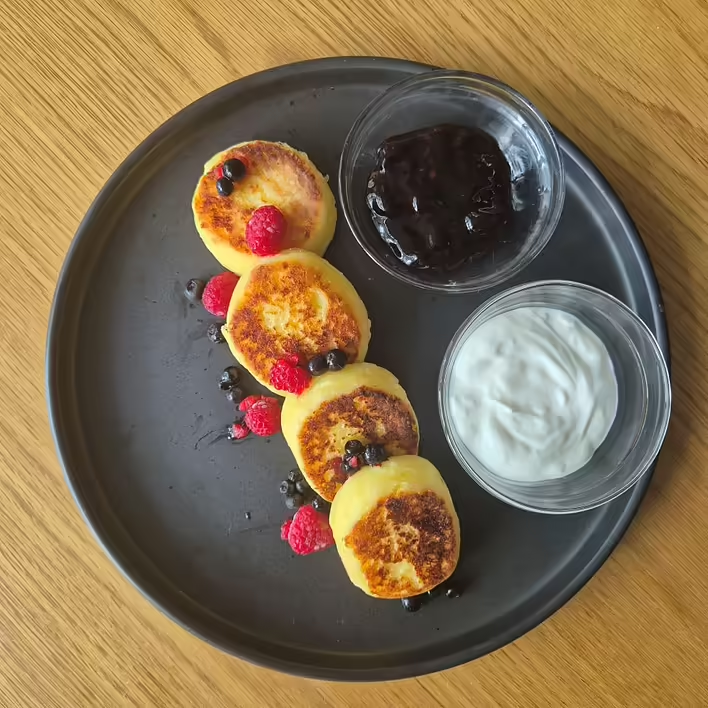
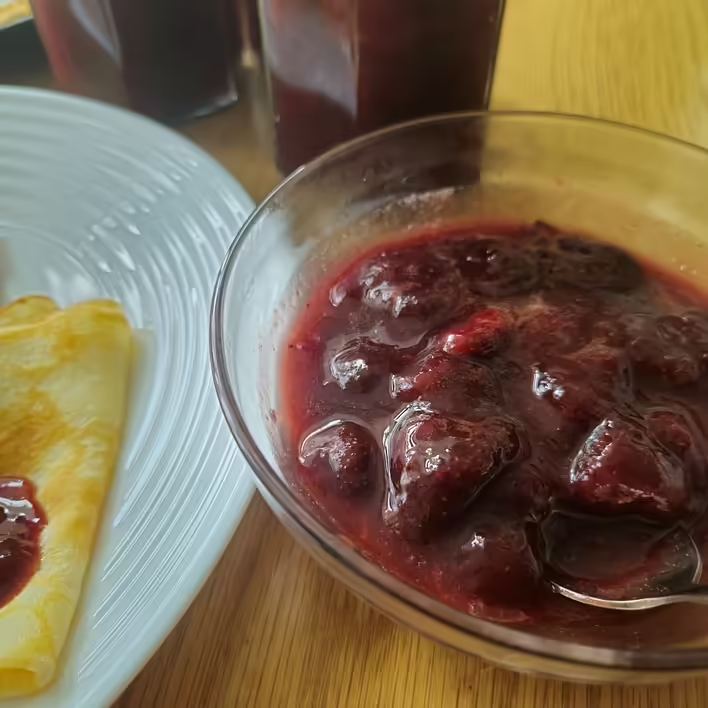
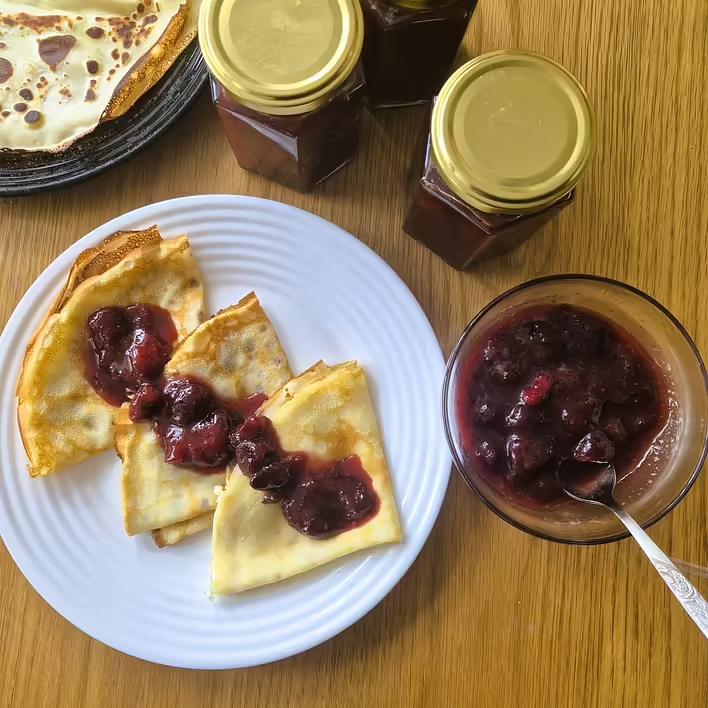
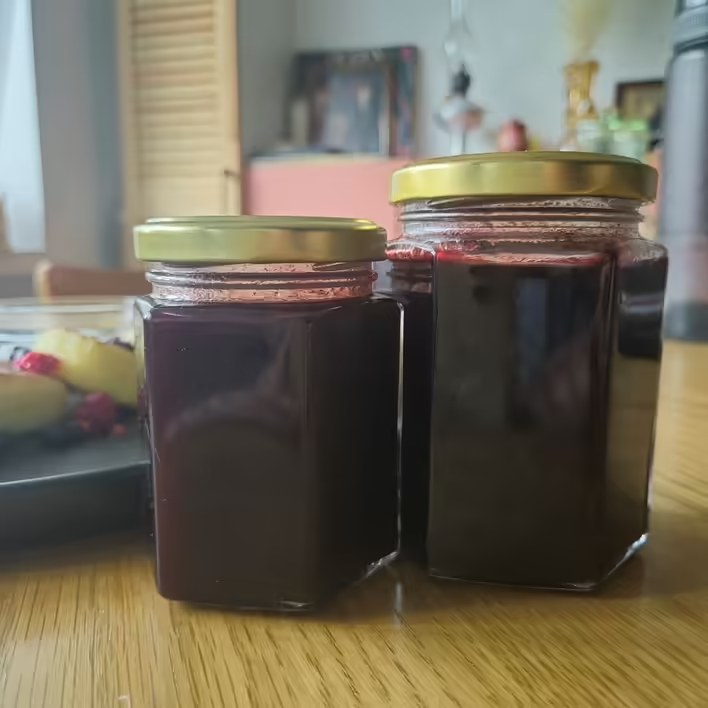
We let it cool for a few minutes. During this time, we sterilize the jars and lids. We pour the jam into the jars, screw them shut, and let them cool completely. The jam that didn’t fit in a jar, we taste with cheese pancakes made from homemade cheese.
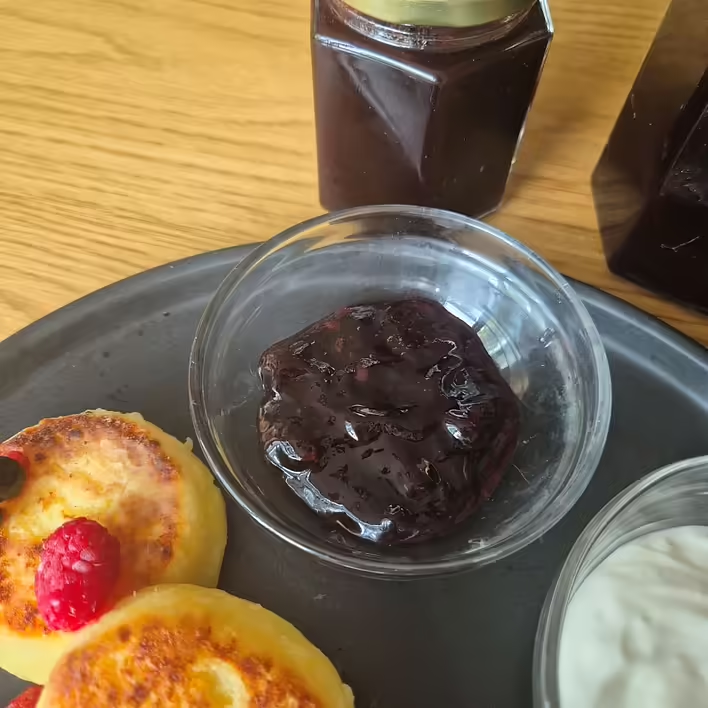
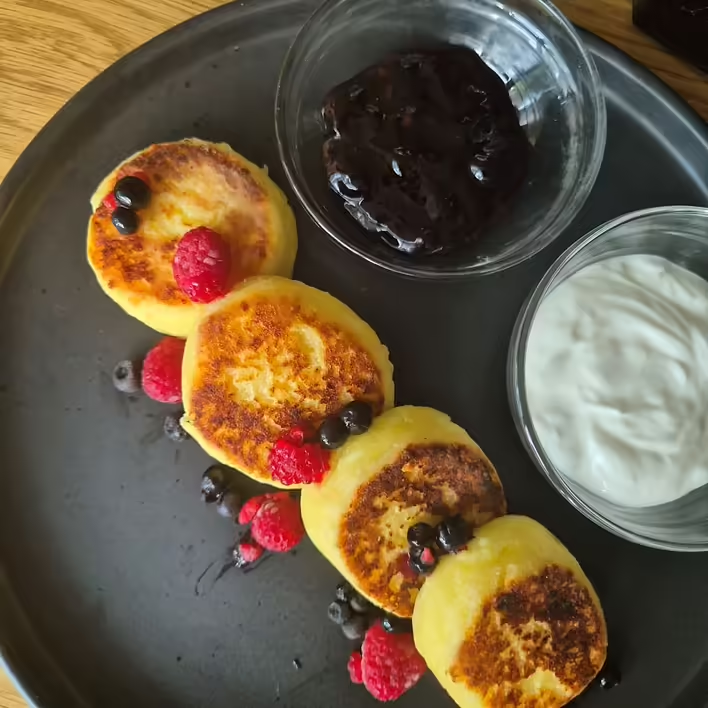
Enjoy! ;)
Like it?React
🧵
This post doesn't have any additions from the author yet.