Amuse-bouche (fr. amuse-bouche, literally "to please the mouth") is a small appetizer served before the main courses to awaken the appetite and prepare the taste buds for the upcoming meal. This is a term from French cuisine used to denote small exquisite dishes that are served as a compliment from the chef and are usually not ordered separately.
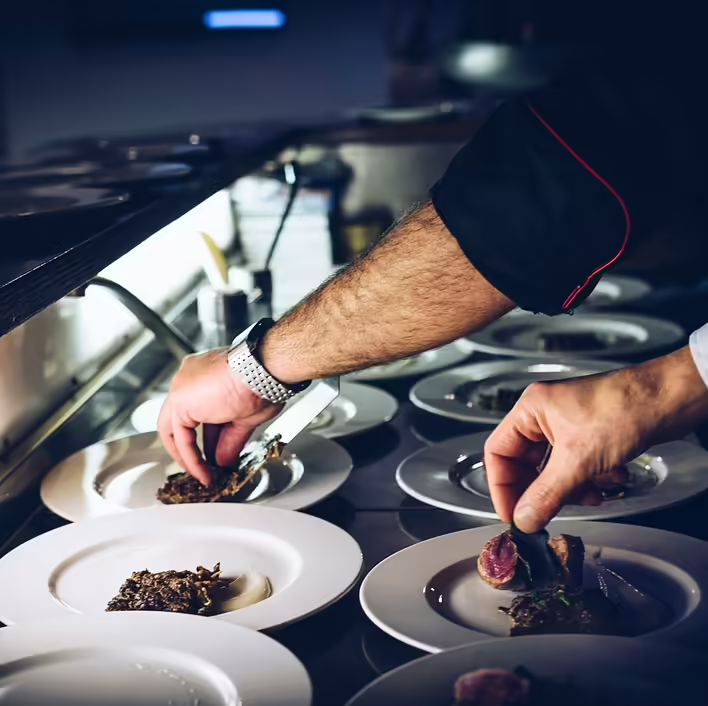
Amuse-bouche is primarily about a small individual portion. It is so small that it can be eaten in one or two bites. Secondly, it is about aesthetics. The emphasis, aside from size, is on presentation. It should be exquisite, meaning it evokes emotions just by its appearance. In terms of flavors, amuse-bouches often combine unexpected ingredients, textures, and techniques. All of this is done to pleasantly surprise and delight the guest.Thus, at its core, an amuse-bouche is a kind of “business card” of the chef, showcasing the style and character of the restaurant even before the main courses.
What can be an amuse-bouche?
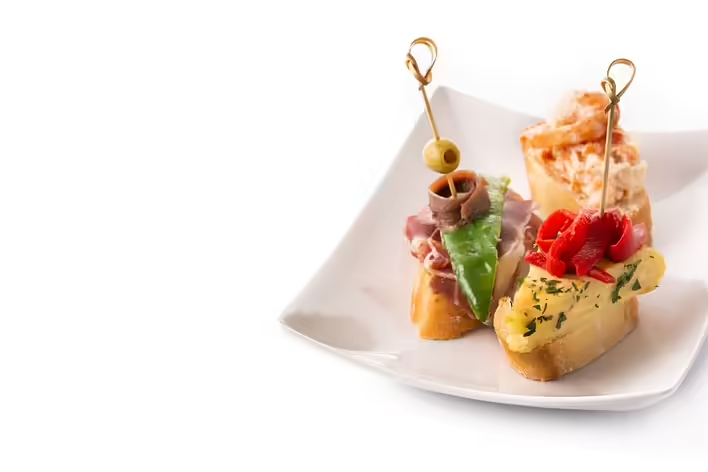
An amuse-bouche can be practically anything: from a miniature soup in a cup to a tartlet with fish or a tiny portion of mousse. For example:
Mousse of avocado and shrimp
Pumpkin cream soup served in a small cup
Canapé with goat cheese and caramelized onions
Salmon tartare with caviar
How and when is an amuse-bouche served?
An amuse-bouche is served before the first course, usually along with a drink (for example, an aperitif). It is a way to greet the guest and create a positive and relaxed atmosphere.
How does an amuse-bouche differ from a regular appetizer?
An amuse-bouche is always served for free as a compliment from the restaurant.
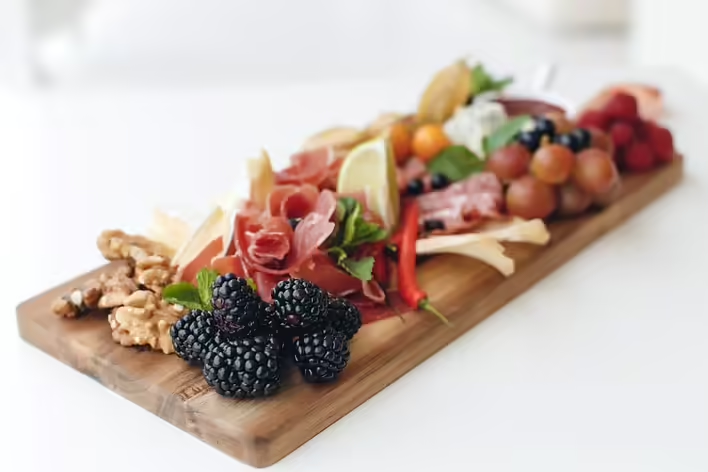
приклад закусок
If regular appetizers, such as antipasti, are often included in the menu and ordered by customers, the amuse-bouche is received by the guest as a pleasant surprise. It is an example of how even the smallest dish can become an unforgettable element of the gastronomic experience.