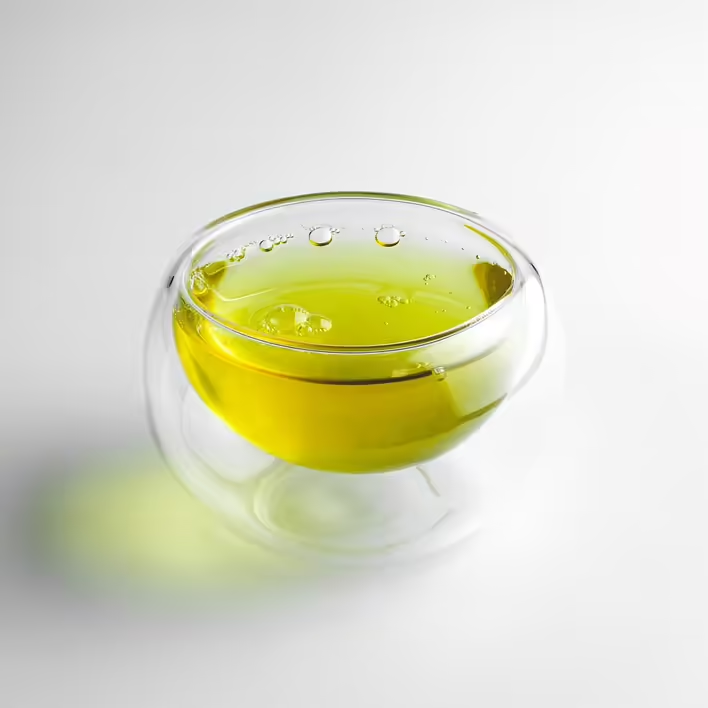
When we hear the word “vinaigrette”, many imagine a salad made of beets, sauerkraut, pickles, beans, carrots, sometimes potatoes and onions… But in fact, vinaigrette is the name of one of the classic cold sauces, which is considered a staple in French gastronomy. Its base is an emulsion of oil and acid (usually vinegar or lemon juice). A simple formula, but it has become the starting point for hundreds of variations of salad dressings that we know today.
A Bit of History
The name comes from the French word vinaigre – “vinegar.” Since the 17th–18th centuries in France, this sauce has been the basis for dressing green salads and boiled vegetables. In culinary books of the 19th century, it is mentioned as an integral part of everyday and haute cuisine. The paradox is that the very word “vinaigrette” entered Ukrainian cuisine with a different meaning – as the name of a salad made of pickled and boiled vegetables, which we mentioned at the beginning of the post. However, in Europe, this word still primarily refers to the sauce-dressing.
Classic Composition of Vinaigrette Sauce
The basic formula looks like this:
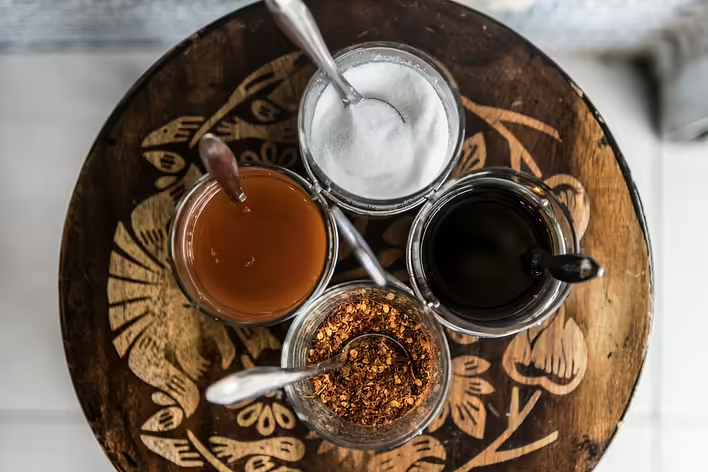
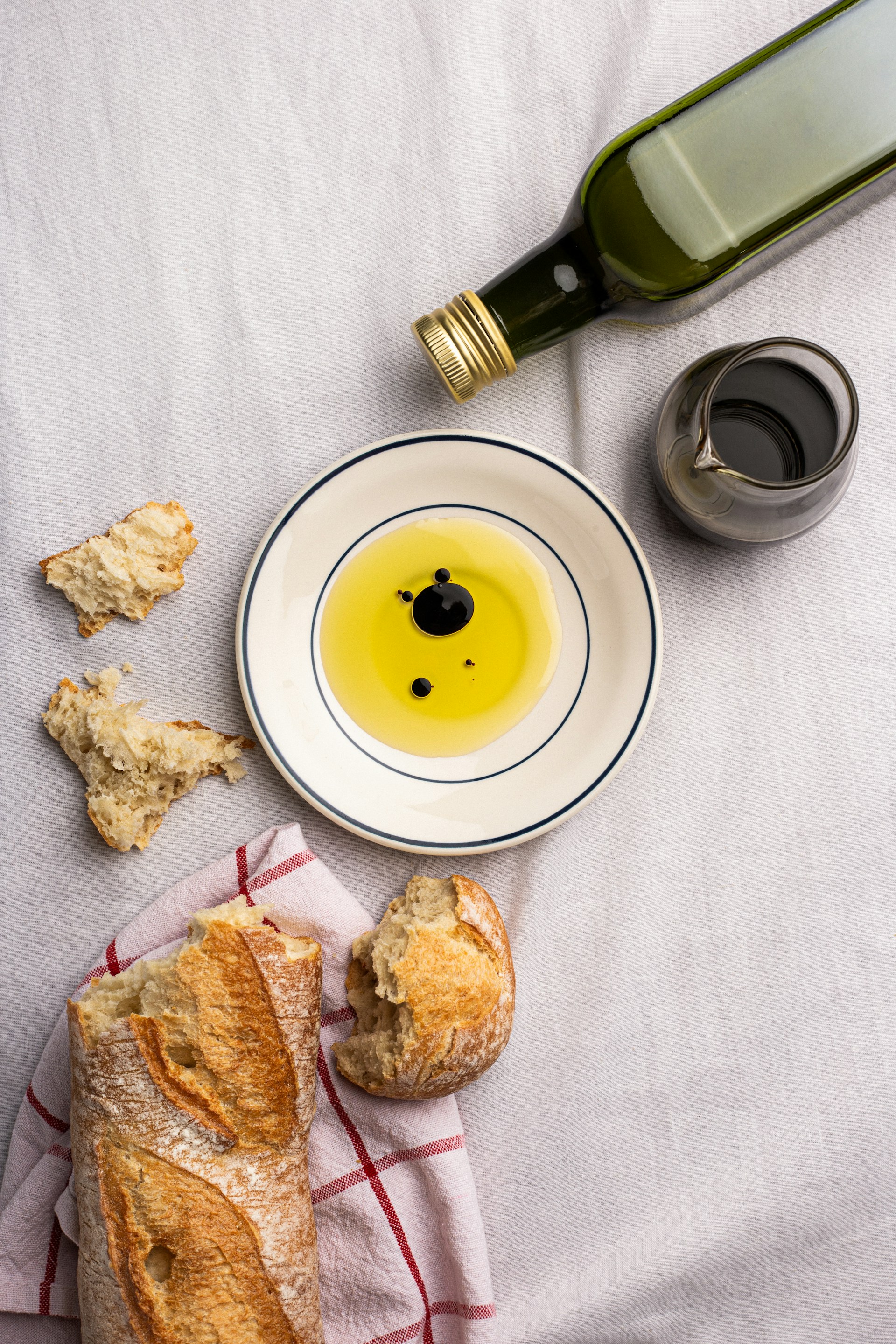
acid (wine, apple, or balsamic vinegar, sometimes lemon juice)
oil (traditionally olive, but sunflower, nut, or sesame oil can also be used)
mustard: a natural emulsifier that helps combine fat and acid
salt and pepper.
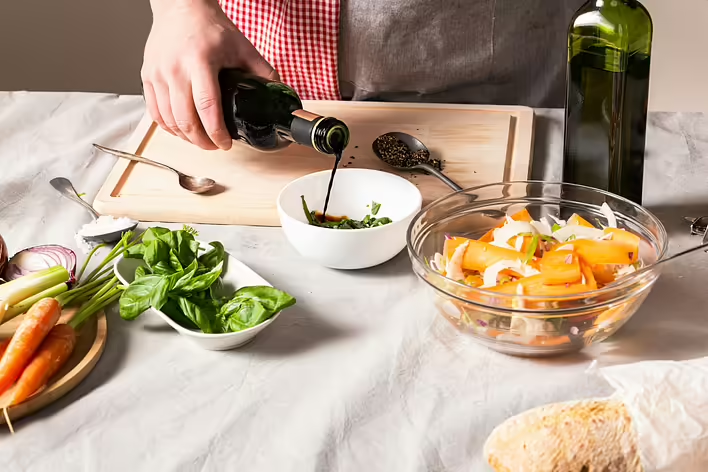
The sauce is prepared very quickly: vinegar is mixed with mustard and spices, after which oil is added in a thin stream while actively whisking the mixture with a whisk. Unlike stable emulsions (like mayonnaise or sauce hollandaise), vinaigrette “lives” for a short time, so it should be prepared just before serving.
Where Vinaigrette is Used
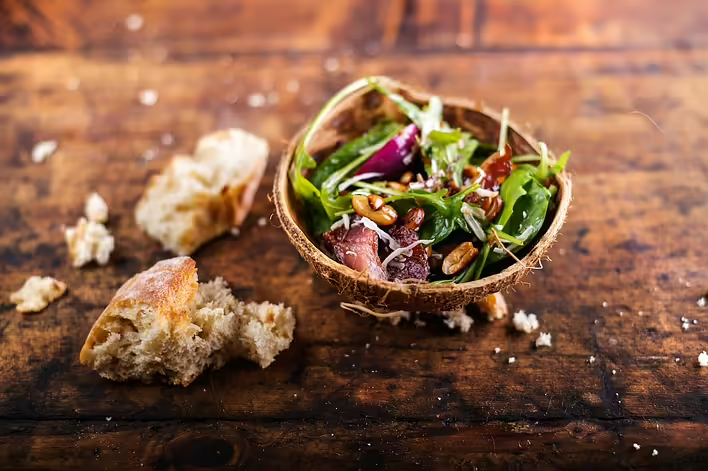
in salads. This is “classic.” A light mix of greens, vegetables, or even fruits with a well-balanced vinaigrette tastes completely different
on grilled or steamed vegetables. In them, the sauce emphasizes the natural flavor and adds freshness
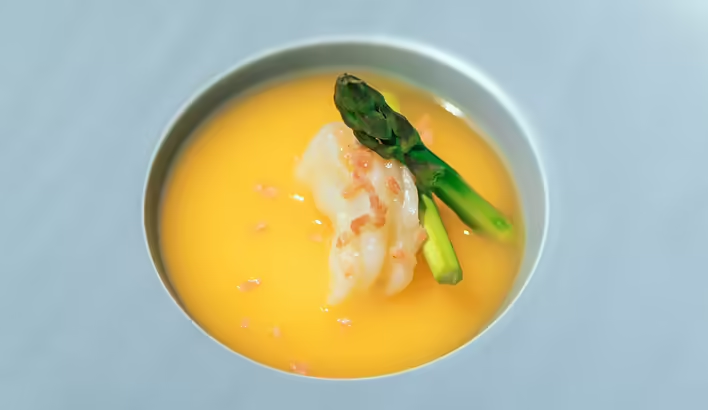
fish and seafood, especially tuna, mackerel, squid, and oysters taste more piquant with this sauce
for meat, it is used as a light marinade (especially for poultry or beef)
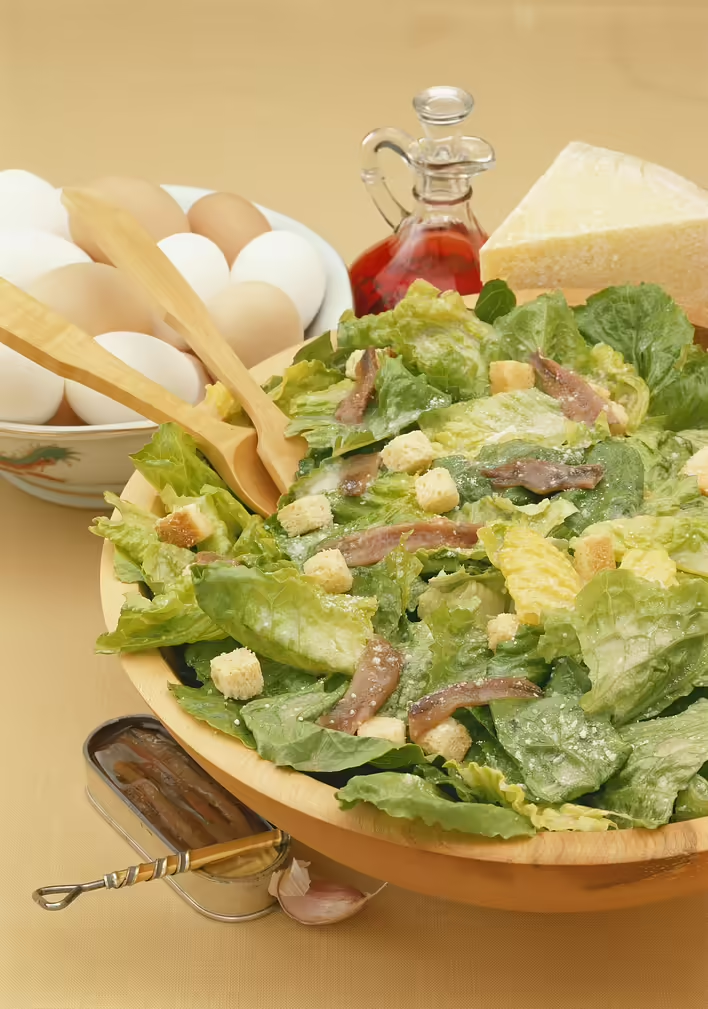
some appetizers, such as the famous French salade niçoise, also known as Niçoise salad, are impossible without vinaigrette.
Салат Нісуаз, з анчоусами, і без жодної картоплі чи рису
In restaurants, vinaigrette often serves as a “flavor bridge”: it is added in micro-doses to connect several components of a dish.
Variations
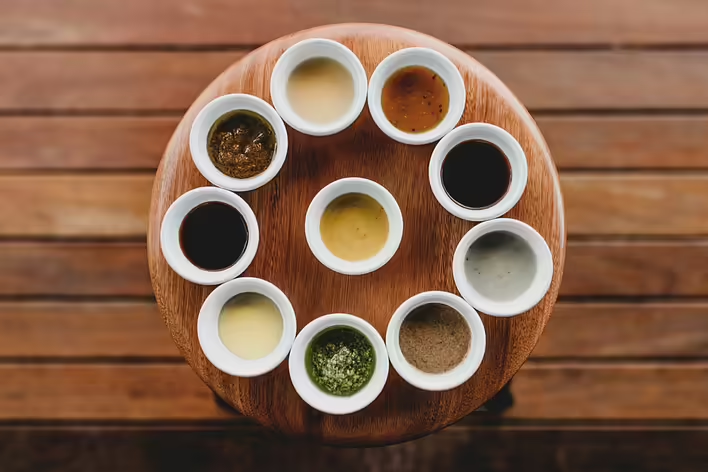
The sauce has become so versatile that today there are many versions of it:
classic French, with wine vinegar and olive oil
Dijon-style, with Dijon mustard, richer and spicier
honey-mustard, milder, with a slight sweetness
Asian variant: with soy sauce, rice vinegar, and sesame oil
herbaceous: with the addition of fresh or dried herbs: tarragon, thyme, parsley.
So, we can conclude that vinaigrette is not just a sauce. It is a whole culinary concept that teaches the balance of taste. Oil provides roundness and softness, while acid brings freshness and expressiveness. Together they create a harmony that can enhance the flavor of any product.