This content has been automatically translated from Ukrainian.
Himedere (Japanese: 姫デレ, Himedere) is one of the most well-known archetypes of characters in anime, manga, light novels, and visual novels. This term refers to characters who behave as if they are true princes or princesses: they expect admiration, love being the center of attention, and believe they deserve special treatment.
The name comes from two Japanese words: hime (姫) meaning "princess" and deredere (デレデレ), a suffix used in fan culture to denote various types of personalities. Despite the origin of the word, a himedere is not necessarily a real princess or a member of the aristocracy. It is primarily a behavioral model rather than a social status.
Today, the term is widely used by anime fans around the world to describe characters with "royal" manners and an emphasized confidence in their own exceptionalism.
Origin of the term
The word himedere emerged in the Japanese fan community in the early 2000s when various archetypes with the -dere suffix began to be actively used. It was during this time that concepts like tsundere, yandere, kudere, dandere, and deredere gained significant popularity.
Against this backdrop, less common archetypes arose, including himedere and oujidere (oujidere). They described not so much the romantic behavior of the character but rather their attitude towards themselves and their surroundings.
Today, the term is not an official classification in Japanese culture, but it has long become commonplace among fans of anime and manga.
What traits does a himedere have?
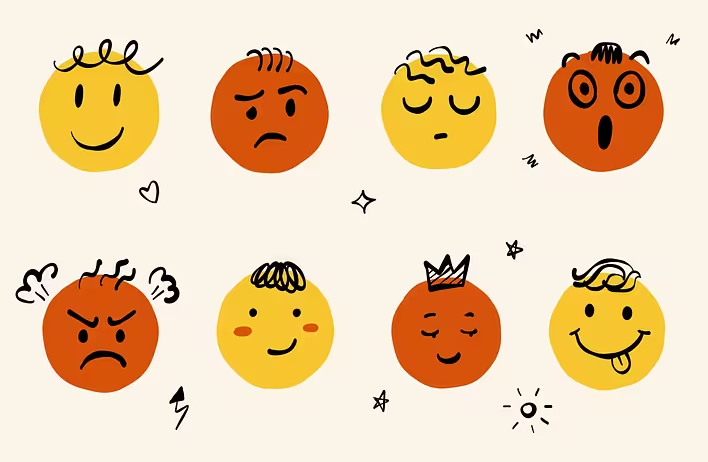
While each character is unique, most representatives of this archetype share common features.
Sense of exceptionalism
A himedere is convinced that she deserves special treatment. She may openly declare her superiority or simply behave as if it is an obvious fact.
However, the reason is not always arrogance. Sometimes such behavior is a result of upbringing, high social status, or a desire to hide her own insecurities.
Love for attention
Such characters love being praised, admired, or having their requests fulfilled. They readily accept compliments and often perceive them as something completely natural.
Commanding communication style
A himedere often does not ask but commands. She expects others to intuitively fulfill her wishes or agree with her decisions.
In comedic anime, this trait often becomes a source of humor.
Arrogance
Such characters do not like to admit their mistakes. Even when in an awkward situation, they will try to maintain their dignity and not lose their "royal" image.
Hidden care
Despite their superior behavior, many himedere genuinely care about their friends and loved ones. They just rarely show it openly, as they believe they should not display weakness.
That is why in many works, as the plot develops, such characters become significantly warmer and more human.
Himedere is not necessarily a princess
One of the most common misconceptions is that a himedere must be a member of the royal family.
In reality, this is not the case.
A character can be an ordinary schoolgirl, a student, a warrior, or even a villainess. If she behaves as if the whole world should revolve around her, she can definitely be classified as this archetype.
Conversely, a real princess does not necessarily have to be a himedere. If she is modest, reserved, or does not demand special treatment, this archetype does not apply to her.
How does himedere differ from other archetypes?
Due to similar traits, himedere is often confused with other popular archetypes.
Himedere and tsundere
The main difference lies in motivation.
Tsundere hides her feelings and often behaves harshly due to internal conflict or shyness.
A himedere, on the other hand, primarily seeks special treatment. Her behavior is not related to romantic experiences but to a belief in her own exceptionalism.
Although individual characters may combine both archetypes.
Himedere and kamidere
Kamidere literally means "god-like." Such characters consider themselves almost flawless or even superior to others.
A himedere also has a high self-esteem, but does not strive to appear omnipotent. Her image resembles that of a capricious princess rather than a deity.
Himedere and ojou-sama
These concepts are often confused.
Ojou-sama is a girl from a noble or very wealthy family. This is a social status or an established character image.
Himedere is a type of behavior.
A wealthy heiress can be modest and have no traits of a himedere. Conversely, an ordinary schoolgirl can behave like a true princess.
Most Famous Examples of Himedere in Anime
Erina Nakiri — Food Wars!

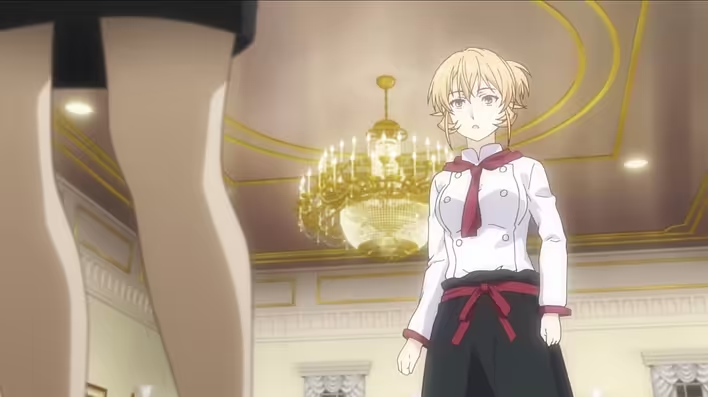
Erina is one of the most famous examples of this archetype. She comes from an influential culinary family, possesses extraordinary talent, and is used to her opinions being decisive. However, as the plot develops, it becomes clear that behind her cold superiority lies a person who feels immense pressure due to high expectations from those around her.
Nagi Sanzenin — Hayate the Combat Butler
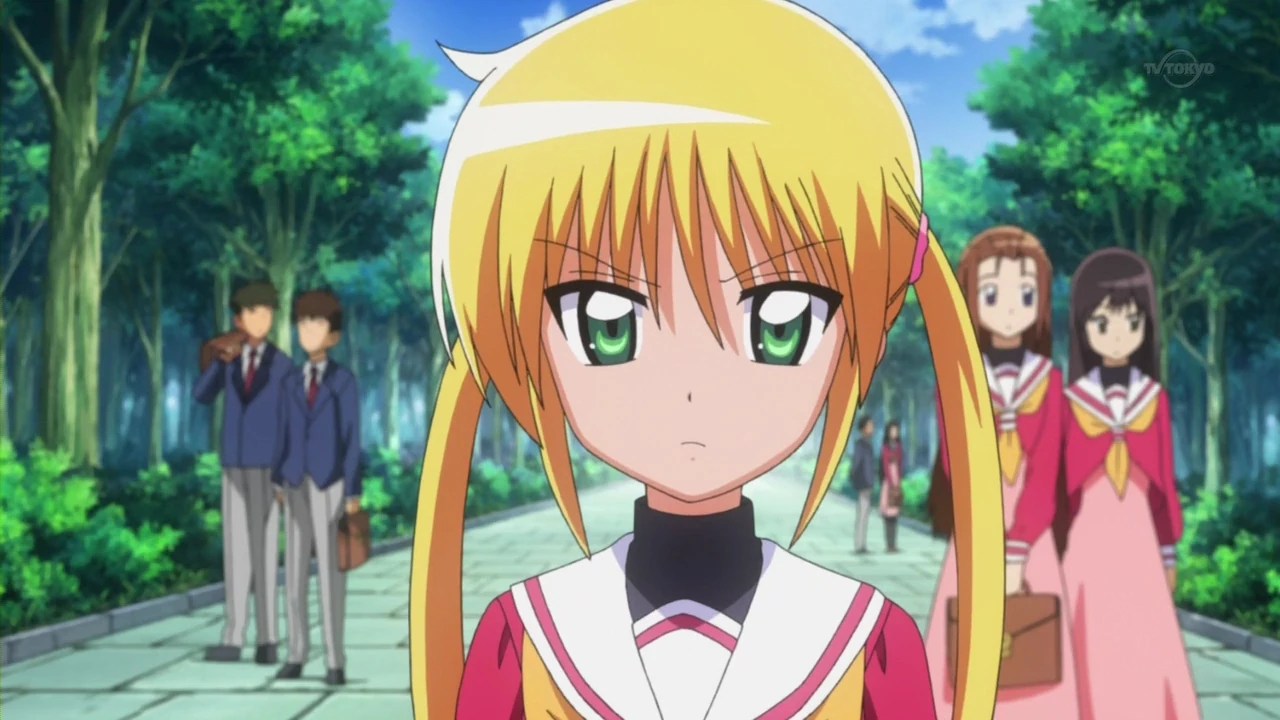
Nagi is a wealthy heiress of a vast fortune who is accustomed to having her wishes fulfilled without question. She often behaves arrogantly, commands others, and expects exceptional treatment. This is why she is often referred to as one of the classic examples of himedere.
Louise de la Vallière — The Familiar of Zero
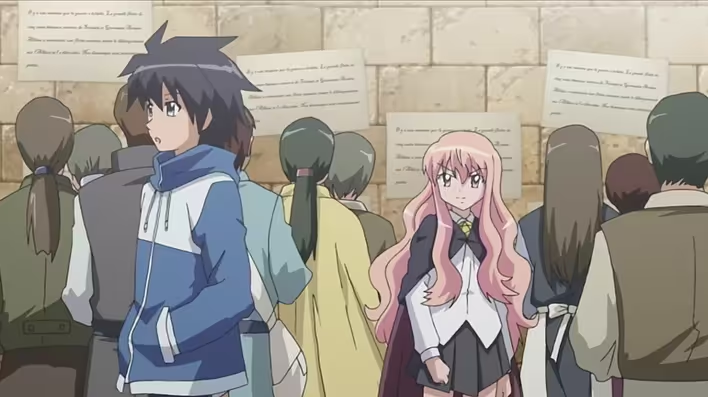

Louise combines traits of several archetypes. She is primarily a tsundere, but her noble background, condescending attitude towards Saito, and constant desire to command give her distinct traits of a himedere.
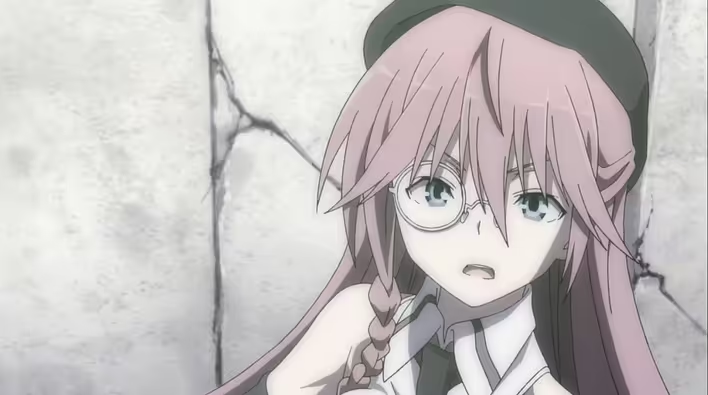
Lilit Ainsworth (Trinity Seven)


Is the term "himedere" used outside of anime?
Yes. Today, this term can sometimes be found online and outside the anime community.
It is humorously used to refer to people who love being the center of attention, expect special treatment, or behave as if everyone around should fulfill their wishes. However, such usage is rather informal and originates from anime culture.
Other dere archetypes
The world of anime and manga includes dozens of dere archetypes — typical behavioral models of characters that help quickly understand their personality and attitude towards others. Here are some of the most well-known:
- Tsundere (Tsundere) — characters who hide their affection behind cold, harsh, or even aggressive behavior but gradually reveal their true feelings.
- Yandere (Yandere) — heroes whose intense love or obsession can lead to jealousy, violence, or dangerous actions.
- Dandere (Dandere) — quiet, shy, and reserved characters who open up only around people they trust.
- Kuudere (Kuudere) — reserved and outwardly cold heroes who rarely show emotions but gradually reveal their caring side.
- Deredere (Deredere) — friendly, open, and sincere characters who do not hide their feelings and usually have a positive attitude towards their surroundings.
- Oujidere (Oujidere) — characters who strive to embody the image of the perfect prince.
- Kamidere (Kamidere) — characters who consider themselves superior to others and often behave as if they have the right to determine the fate of the world.
- Mayadere (Mayadere) — heroes who initially act as antagonists to the main character but later fall in love with him or switch to his side.
- Bakadere (Bakadere) — kind, sincere, but very naive or comically clumsy characters who often find themselves in absurd situations.
Like it?React
🧵
This post doesn't have any additions from the author yet.