This content has been automatically translated from Ukrainian.
In the modern world, where gadgets have become an extension of our hands, the concept of "digital detox" has gained particular relevance. It is not just a trendy term, but a vital necessity for many people who seek to restore their inner balance and reduce their dependence on the digital world.
What is digital detox?

Digital detox is a conscious disconnection from digital devices such as smartphones, computers, tablets, and the internet. The main goal of this process is to reduce the impact of information noise, restore concentration, improve mental health, and return to a more harmonious way of life.
This does not mean a complete rejection of technology forever, but rather a temporary break that allows us to assess how much time and energy we spend on digital content.
The history of the term's emergence
The term "digital detox" began to be actively used in the English-speaking world in the early 2010s. During this period, scientists and psychologists started sounding the alarm due to the growing dependence of people on smartphones and social networks.
The first mentions of the need for "disconnection" appeared as early as 2008, when studies showed that excessive use of digital devices affects sleep quality, stress levels, and attention concentration. Over the next decade, the idea of digital detox turned into a trend supported by media, psychologists, and even large companies.
Why is it important?
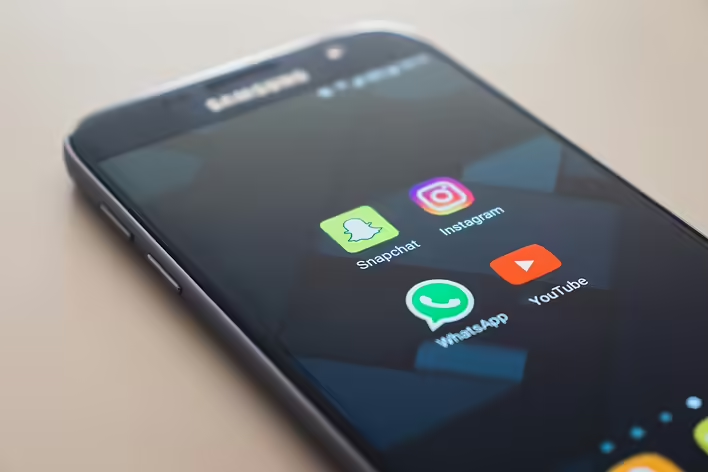
- Information overloadOn average, a person receives more than 34 GB of information daily. This is several times more than the brain can process, leading to "information fatigue."
- Addiction to social networksSocial networks were created to hold our attention for as long as possible. Constant consumption of content can cause stress, depression, and the fear of missing out on something important (FOMO).
- Health deteriorationProlonged use of gadgets contributes to worsening vision, sleep problems, and back pain due to poor posture.
- Lost timeAccording to studies, the average person spends 4 to 6 hours a day on their smartphone. That's almost a quarter of the day!
How did the need for digital detox arise?

With the spread of smartphones, accessible internet, and social networks, the need for protection against "digital saturation" has increased. People began to realize that constant online presence negatively affects their relationships, work, and overall well-being.
In 2012, the first "retreats" gained popularity – special camps and programs where participants were offered to temporarily give up gadgets. At the same time, large companies like Apple and Google began to integrate features into their devices that allow tracking online time and setting limits.
How to conduct a digital detox?

- Define your goalsDecide what exactly you want to achieve: more time for yourself, improved sleep, or reduced stress.
- Start smallFor example, give up your phone an hour before bed or set a rule not to use gadgets during meals.
- Establish "digital weekends"Designate a day or a few hours a week to completely disconnect from gadgets.
- Switch to analog alternativesRead paper books, take handwritten notes, play board games instead of watching series.
- Communicate in personInstead of messaging, invite friends for coffee or a walk.
Where is digital detox popular?

- USA and EuropeThere are special digital detox camps where gadgets are confiscated for the duration of the stay.
- Scandinavian countriesThe concept of "hygge" and "lagom" promotes balance in life, including moderate use of technology.
- JapanIn this high-tech country, there is also a growing interest in digital retreats that combine relaxation with nature and meditation.
- UkraineIn recent years, digital detox has become popular among young people and professionals seeking to restore balance between work and personal life.
Results of digital detox

- Improved mood and mental health.
- Increased productivity by focusing on important tasks.
- Deeper social connections through face-to-face communication.
- A sense of inner peace and harmony.
In a world where information is available at the click of a button, it is important to remember that true happiness and peace often lie beyond the screens.
If you haven't tried digital detox yet, it might be time to give yourself a chance to experience a world without constant notifications and likes. Start small, and the results will surely surprise you.
Like it?React
🧵
This post doesn't have any additions from the author yet.