A transom is an architectural element that most of us have seen hundreds of times but rarely considered its role in the interior. Today, it is making a comeback in design not as a technical detail but as a refined decorative accent that adds light, air, and character to a space.
What is a transom
Transom is a small window or glazed insert located above doors or main windows. Historically, it served a practical function: providing additional ventilation and allowing daylight into the room even when the doors were closed. But over time, its role has significantly expanded.
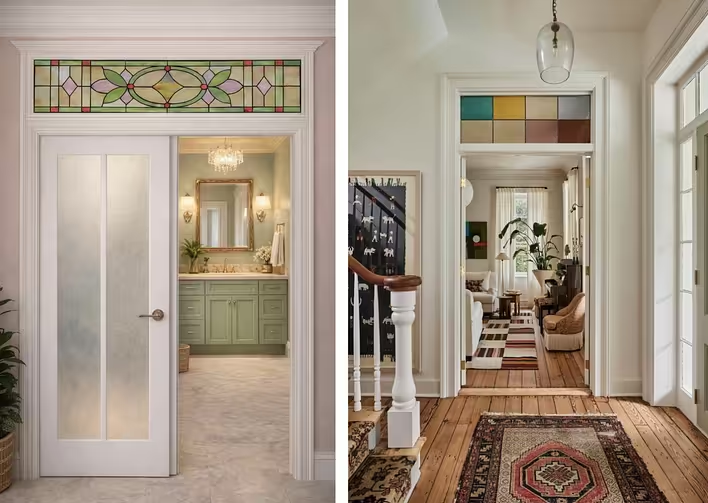
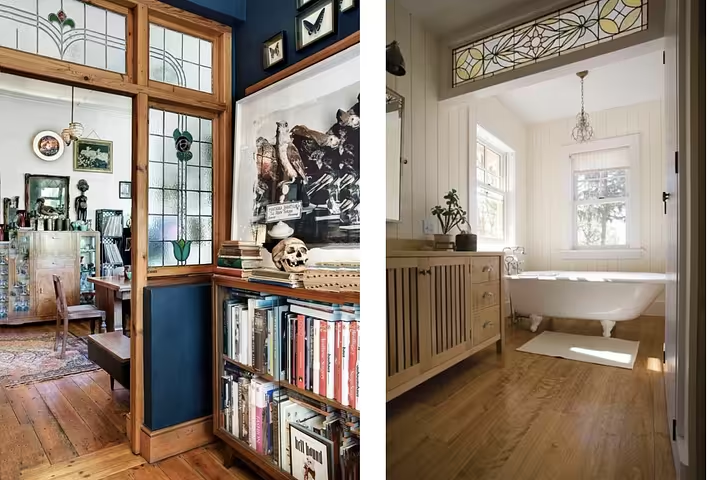
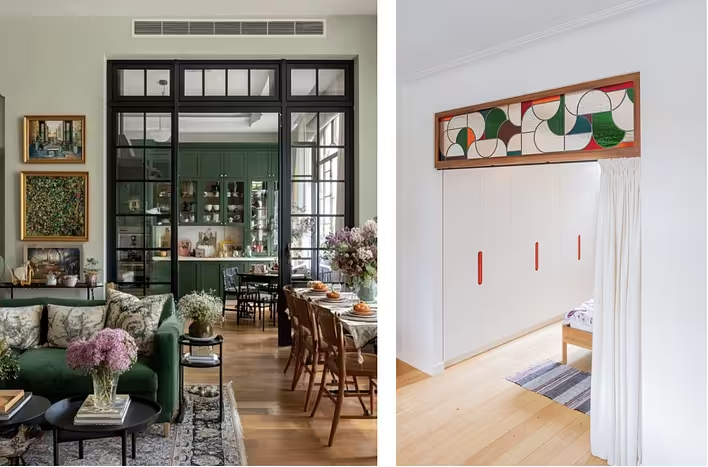
In classical architecture, transoms were often adorned with decorative frames, divided into sections, or even featured stained glass. They became part of the overall composition of the interior, emphasizing ceiling height and space symmetry.
Transom as a decorative tool
Today, a transom is a way to make an interior more sophisticated, even when it comes to an ordinary apartment.
Firstly, it adds verticality. In rooms with low ceilings, a transom above the door creates the illusion of a larger space, visually “lifting” the ceiling.
Secondly, it brings in light. The glass insert allows natural light to penetrate into hallways, closets, or bathrooms — those areas that often remain dark.
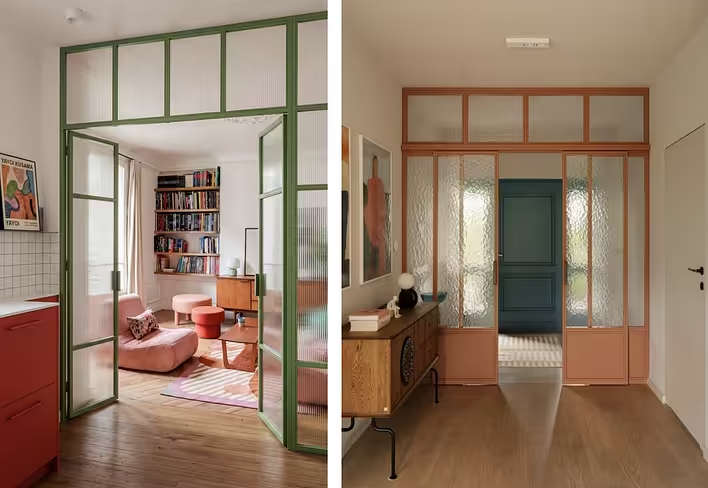
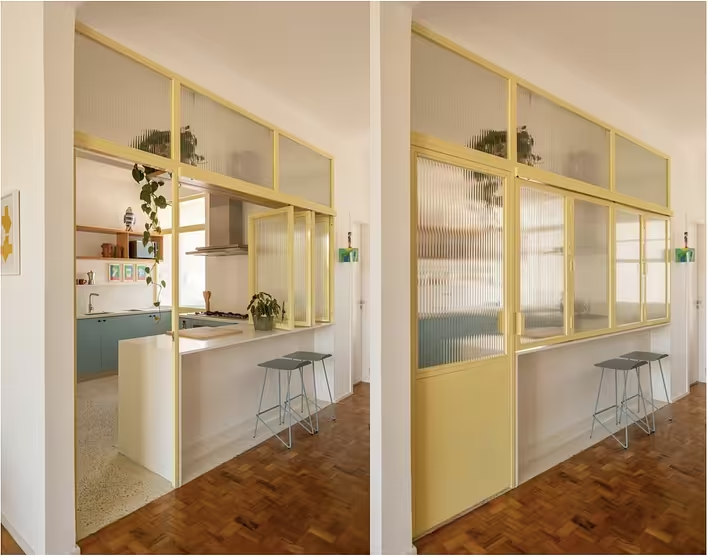
Thirdly, it is a detail that sets the mood. A simple transparent transom looks modern and restrained, while a version with ribbed glass or thin partitions adds retro notes.
The return of transoms to modern interiors is part of a larger trend towards the “architectural” nature of housing. People are tired of flat, uniform spaces and are looking for ways to add depth without radical changes.
A transom is the perfect compromise: it doesn't take up much space, doesn't require complex reconstruction, but significantly alters the perception of the space.
Moreover, it is an element that combines functionality and aesthetics — a rare combination in design.
Stylistic variations
In modern design, transoms can look very different — and this is what makes them so versatile.
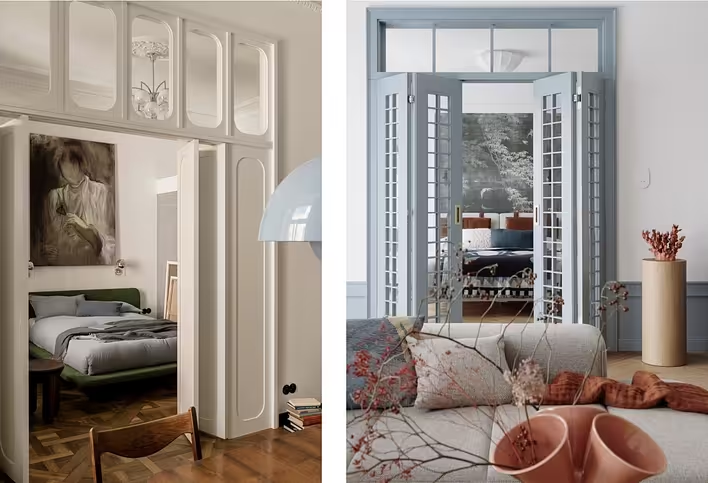
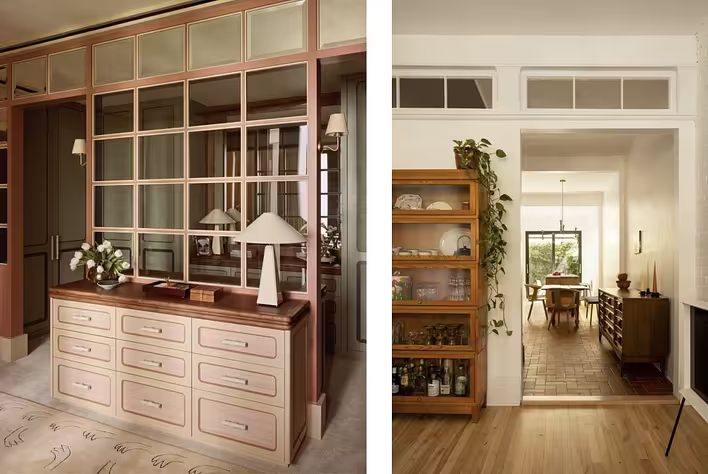
In classic interiors, they often have clear geometry, symmetry, and can be complemented with decorative moldings. In such cases, a transom appears as a continuation of the door portal.
In Scandinavian or minimalist spaces, they are usually simple rectangular inserts with a thin profile, sometimes without visible frames.
In styles like loft or industrial, transoms can resemble factory windows: black metal partitions, divided into sections, frosted or regular glass.
Transoms with textured or colored glass deserve special attention. They work almost like an art object: diffusing light, creating interesting shadows, and adding depth to the interior.
Where to use
The most obvious place is above interior doors. This is a classic technique that works well in both large spaces and small apartments.
But modern design offers more options. For example, transoms can be used as part of partitions between rooms to zone the space without blocking light.
An interesting technique is using transoms in the bathroom or closet: they allow you to “borrow” light from the adjacent room while maintaining privacy (especially if frosted or ribbed glass is used).
Transoms are also often used in apartments with high ceilings — there they help maintain the scale and proportions of the space.