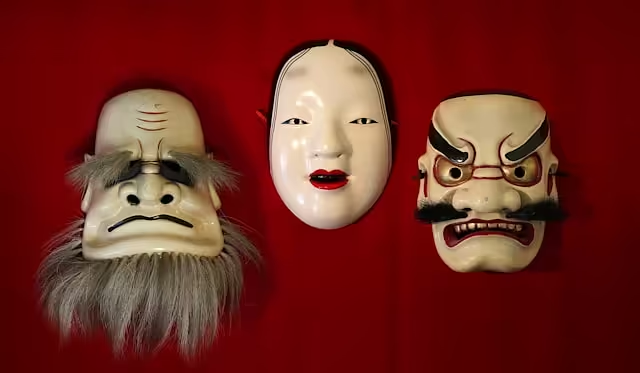
Japanese traditional masks are not just decorative items, but a whole cultural code. They appeared in religious rituals, theaters, and folk festivals, conveying emotions, characters, and even supernatural powers. In Japan, a mask often does not hide the face, but rather enhances the role that a person plays.
Below are the most famous types of Japanese masks and their meanings.
Noh Theater Masks
The traditional Japanese Noh theater originated in the 14th century, and it is here that masks gained special significance.
Main types:
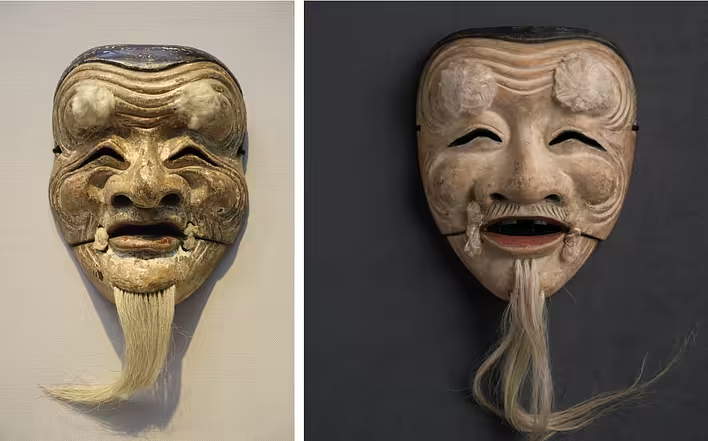
Okina — an old man's mask with a gentle smile. It symbolizes wisdom, longevity, and blessing. Used in ritual performances.
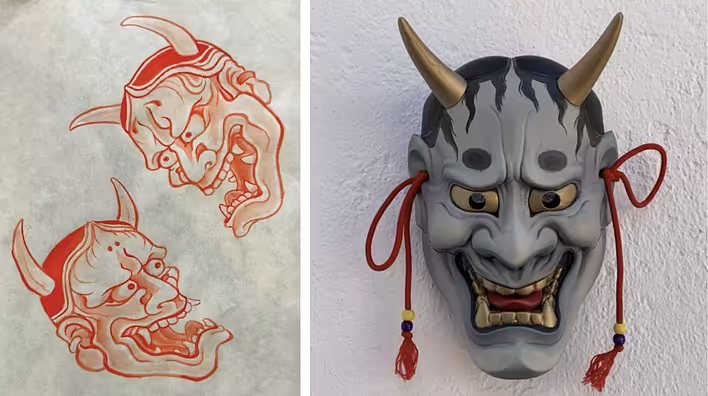
Hannya — one of the most famous. It is the face of a woman distorted by jealousy, with horns and sharp teeth. It looks threatening, but at the same time conveys suffering.
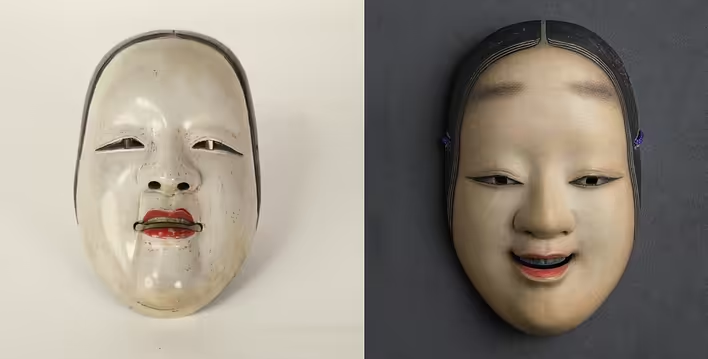
Ko-omote — a young female mask with delicate features. It symbolizes innocence and beauty.
Noh theater masks are carved from wood and hand-painted. Interestingly, their expression changes depending on the angle of the head — the actor literally "plays with light".
маска Окiна
маска Хання
маска Ко-омоте
Kabuki Theater Masks
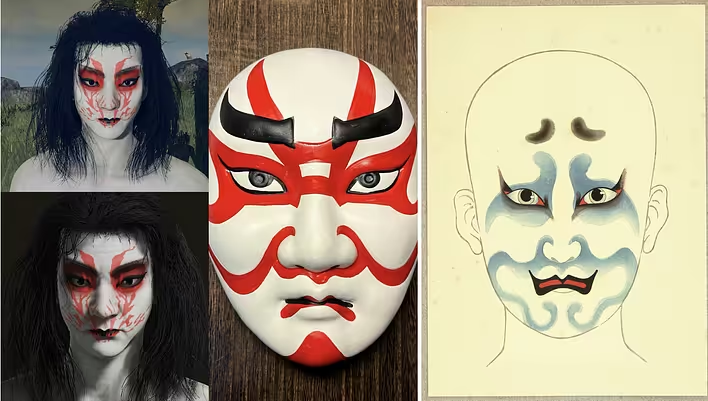
In Kabuki theater, masks are used less frequently than in Noh, but their function is partially fulfilled by makeup — kumadori.
However, masks are sometimes used:
for demons or spirits,
for transformation scenes.
Kabuki is more focused on brightness and dynamics, so even if a mask is not physically used, its "effect" is conveyed through makeup and facial expressions.
грим кумадорі
Oni Masks
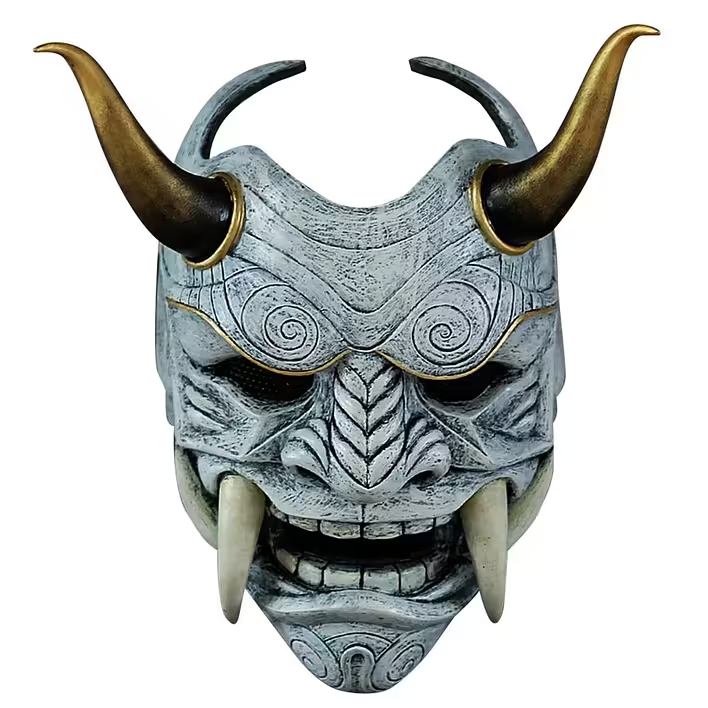
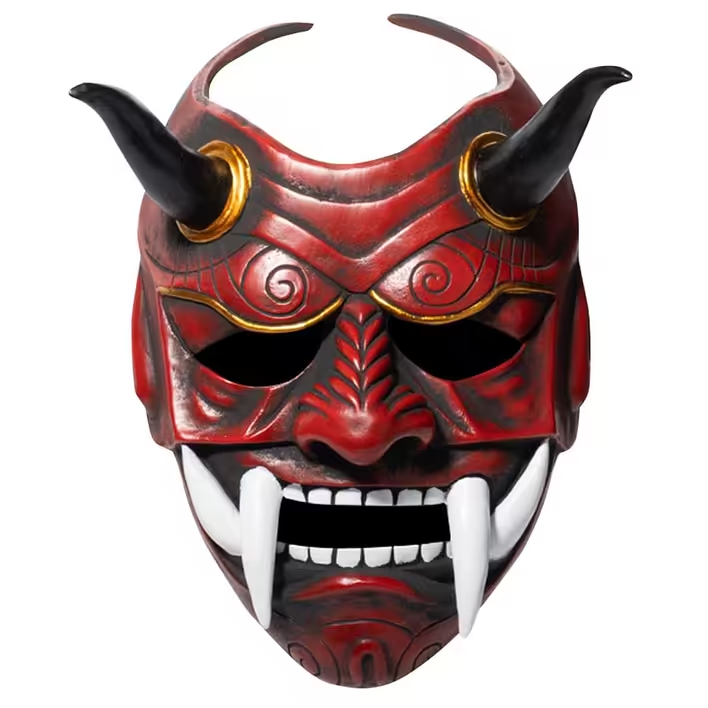
Oni are among the most recognizable characters in Japanese folklore.
Appearance:
large horns,
red, blue, or black face,
fangs and a fierce expression.
Meanings:Oni embody evil, chaos, or punishment for bad deeds. However, in some stories, they can also be protectors.
Where they are used:
Setsubun festival — people wear oni masks while others throw beans at them, driving away "evil spirits";
theatrical performances;
as talismans (paradoxically, the image of a demon can ward off evil).
маска Оні
маска Оні
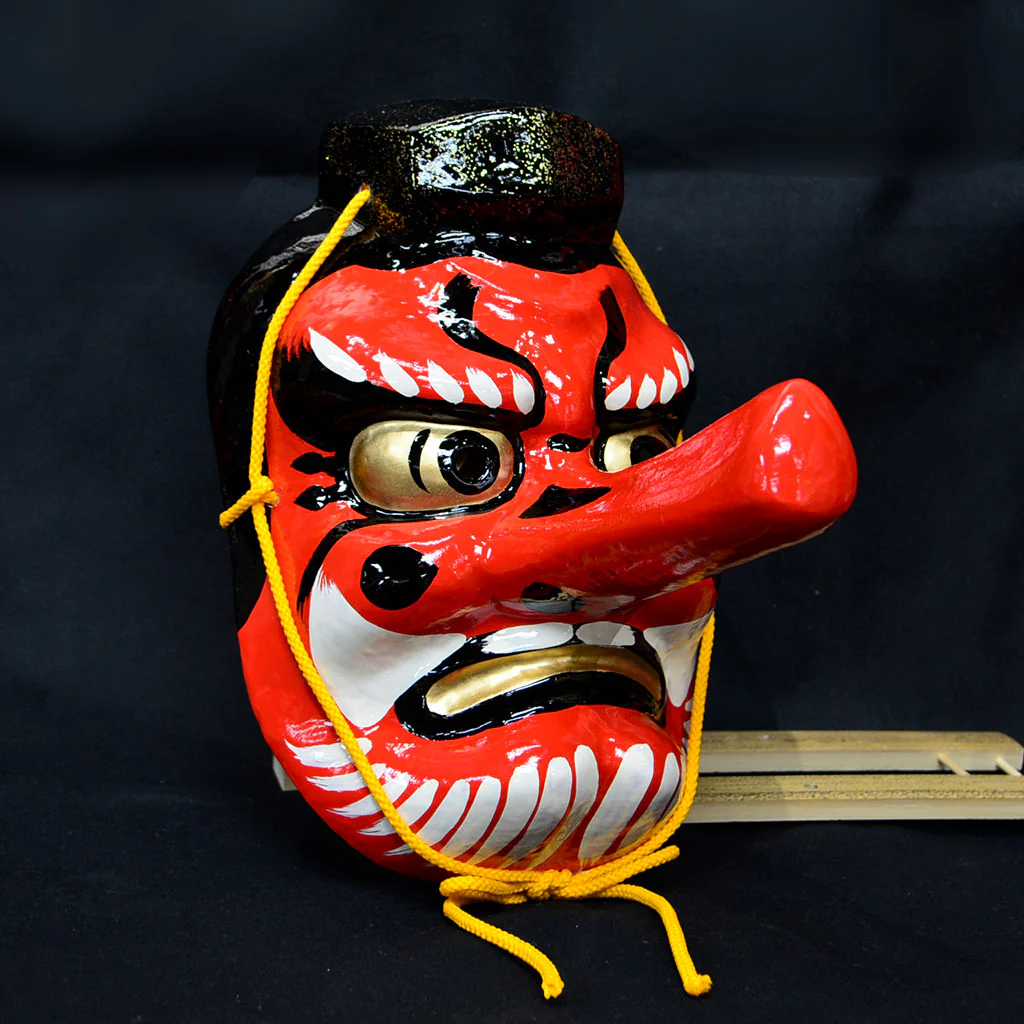
Tengu Masks
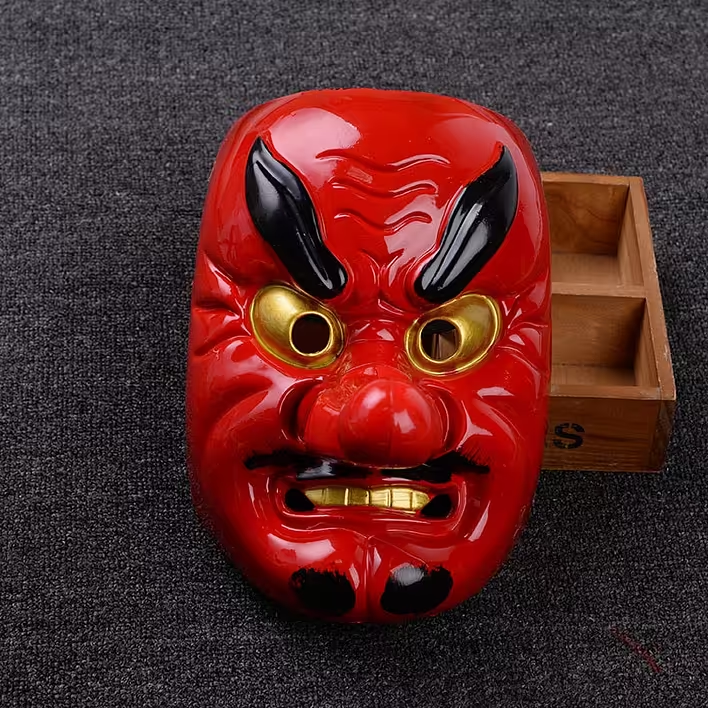
Tengu are mountain spirits often depicted as half-human, half-bird.
Appearance:
bright red face,
very long nose,
stern or even haughty expression.
Origin and meaning:Tengu were considered both dangerous spirits and protectors of mountains and forests. They symbolize pride, strength, and discipline.
Uses:
Shinto festivals,
temple festivals,
decorative elements in interiors.
маска Тенґу
маска Тенґу
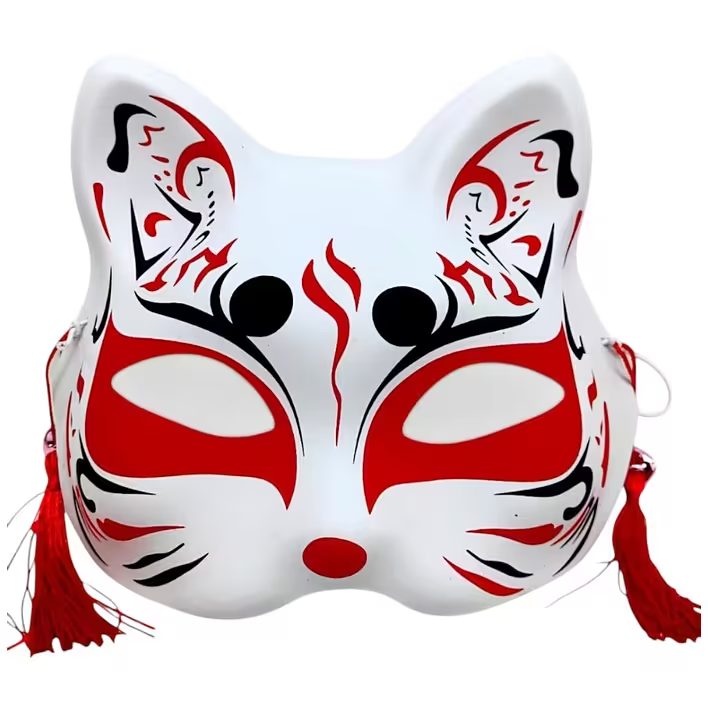
Kitsune Masks
Kitsune are mystical foxes capable of transforming into humans.
Appearance:
a white fox with an elongated snout,
narrow eyes,
sometimes with golden or red accents.
Meanings:Kitsune are associated with the deity Inari — the protector of rice and abundance. They can be both benevolent and cunning.
Where they are used:
festivals,
temple rituals,
modern pop culture (anime, cosplay).
маска Кіцуне
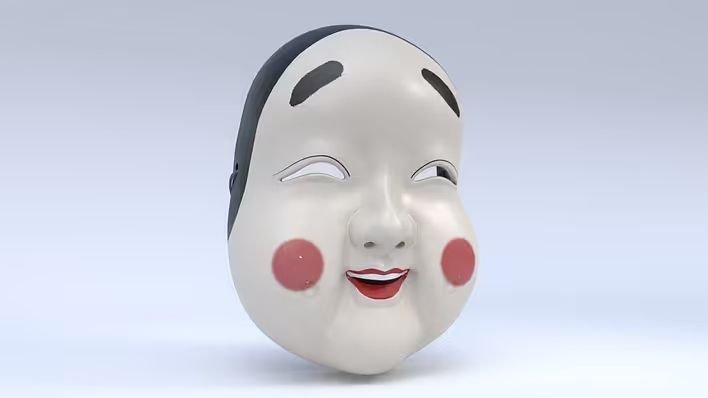
Okame Masks (Otafuku)
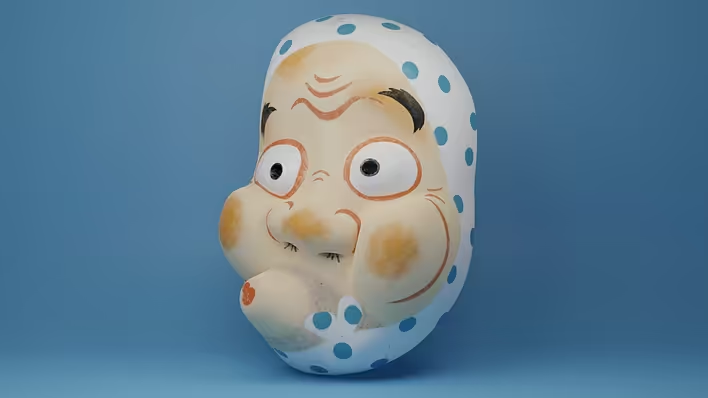
Okame (or Otafuku) is the image of a kind, smiling woman.
Appearance:
round face,
narrow eyes,
wide happy smile.
Symbolism:
happiness,
abundance,
female kindness.
Uses:
comedic performances,
folk festivals,
as a talisman for good luck.
маска Окамe
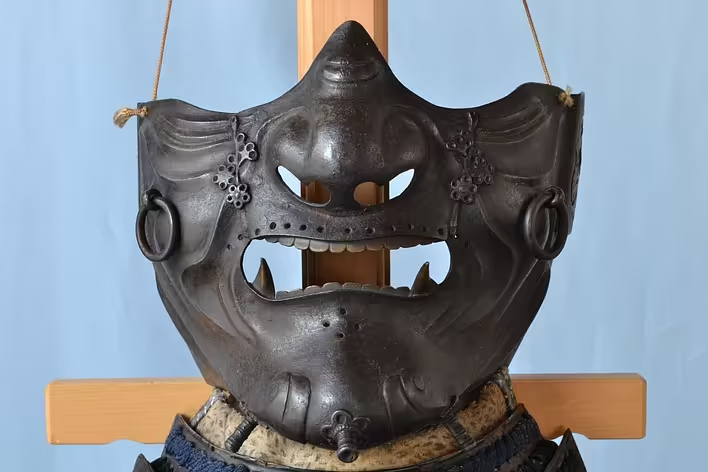
Samurai Masks (Mempo)
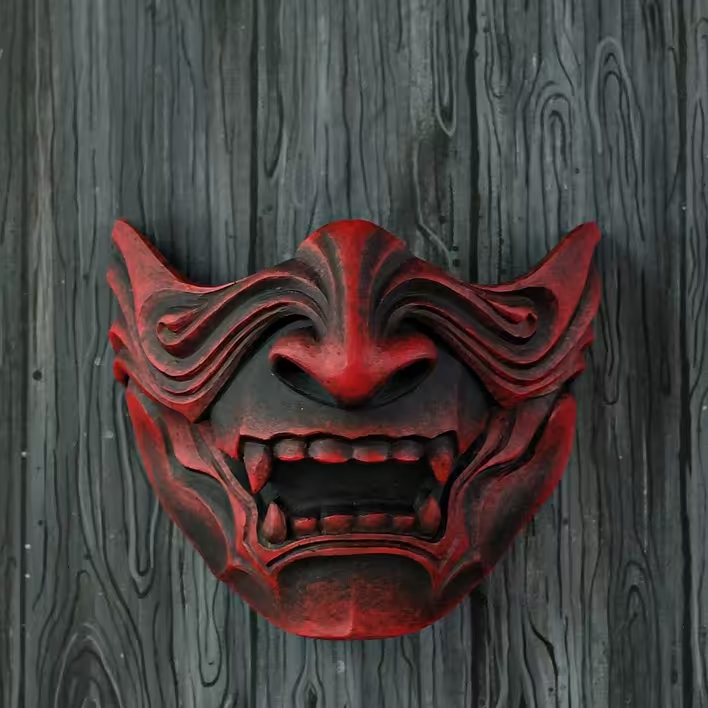
Mempo are not theatrical masks, but military masks.
Appearance:
metal,
with a fierce facial expression,
sometimes with whiskers or fangs.
Purpose:
to protect the face in battle,
psychological effect — to scare the enemy.
Origin:Used by samurai in medieval Japan as part of their armor.
Маски Самураїв (Мемпо)
Маски Самураїв (Мемпо)
Hyottoko Mask
Hyottoko is a comical character from Japanese folklore, often depicted as a man with a hilariously distorted face.
Appearance:
asymmetrical face,
mouth stretched to the side, as if he is whistling or trying to blow air,
sometimes — a bandana or scarf on his head,
comical or even grotesque expression.
Origin and meaning:Hyottoko is associated with luck, prosperity, and homely comfort. His image is often linked to fire and crafts (such as blacksmithing), as well as to ordinary people and folk wisdom. The mask symbolizes joy, irony, and the ability to laugh at everyday difficulties.
Uses:
traditional Japanese dances (especially folk festivals),