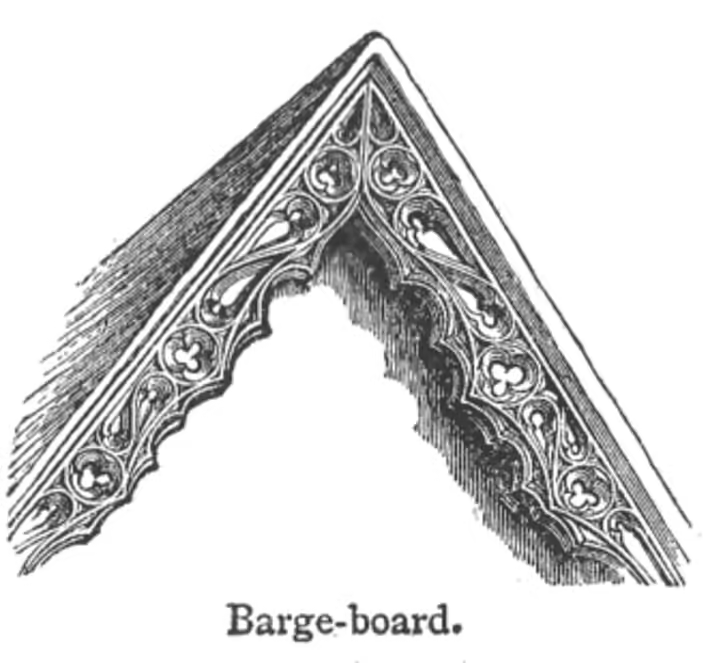
Bargeboard (overlapping board) is a board attached to each gable of the roof that protrudes to provide strength and protection, as well as to conceal exposed end elements of horizontal beams or roof rafters.
Bargeboard ілюстрація 1908 року. "Джерело - Вікіпедія"
What historical aspects are related to the use of Bargeboard in construction?
Middle Ages:
Initially, Bargeboard was designed to protect the edges of roof slopes from weather influences such as rain, snow, and wind. In the Middle Ages, this element could have simple, functional shapes, but over time it began to be decorated to add aesthetic appeal.
Gothic:
In Gothic architecture, Bargeboard became an important decorative element. By using elegant shapes and intricate cuts, architects were able to add grace and sophistication to the facades of Gothic buildings.
Victorian Era:
In the 19th century, during the Victorian period, Bargeboard became a widely used decorative element. During this period, many buildings received multi-layered facades with numerous details, including intricate Bargeboard shapes with many delicate cuts and ornaments.
Renaissance:
During the Renaissance, Bargeboard was often used in architecture as part of the revival of classical architectural forms. It added luxury and elegance to the buildings of that time.
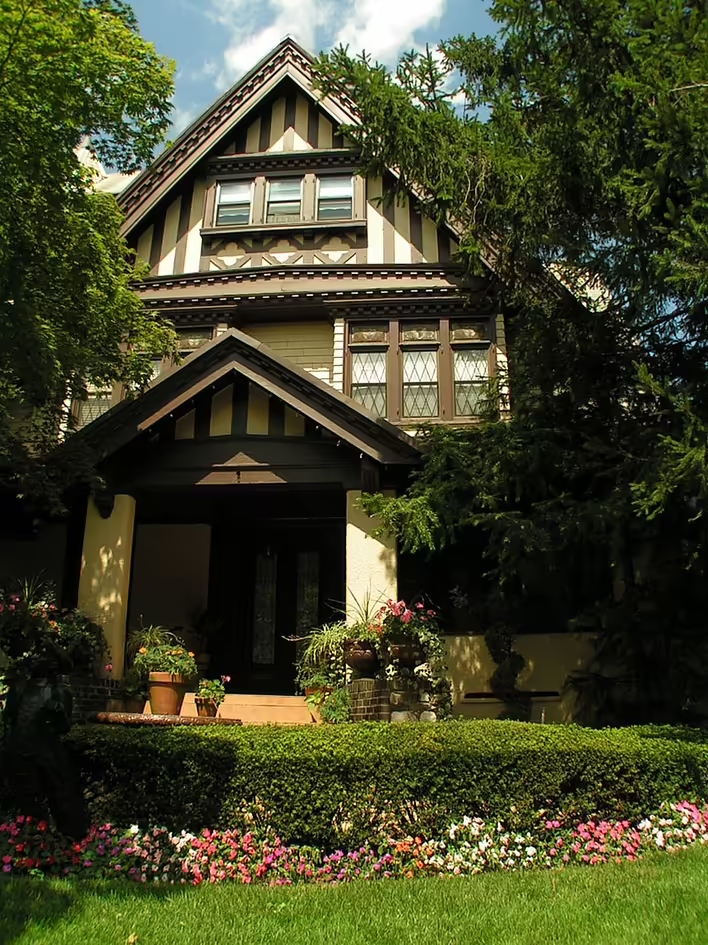
Будинок Saitta у Дайкер-Гайтс , Бруклін , Нью-Йорк , побудований у 1899 році , має товсту Bargeboard. "Джерело - Вікіпедія"
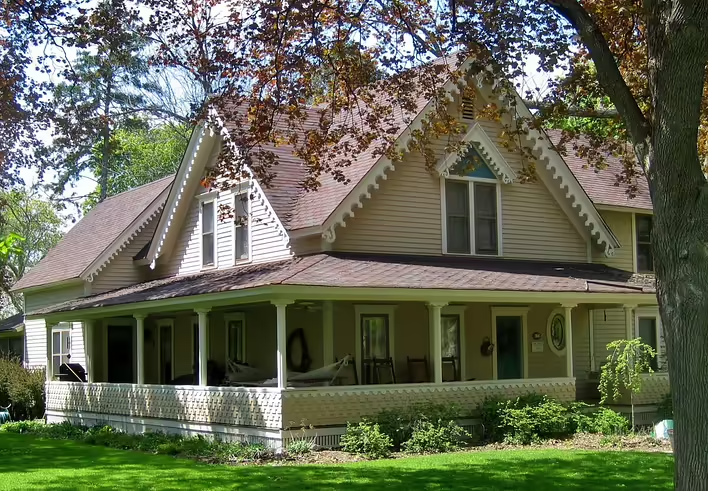
"Джерело - thoughtco"
Is Bargeboard used in modern architecture?
Bargeboard continues to be used in architecture and remains a popular decorative element for buildings in various styles. Although modern buildings may have a more minimalist design, Bargeboard is still applied as one way to add character and aesthetic appeal to the architectural face. It can be used in both new buildings and restored or modernized old buildings. Due to its versatility and ability to be used in various styles, Bargeboard remains a relevant element in modern architecture.
Thus, Bargeboard is a useful element for buildings from both an aesthetic and functional perspective, contributing to the improvement of the appearance and durability of the building overall.