This content has been automatically translated from Ukrainian.
Bay window (bay window) — is an architectural element that consists of a large, protruding part of the wall that extends beyond the main wall of the building.
This structure creates an internal space in the form of an elegant rectangular or parabolic curve, which can be used as additional seating, a resting area, or as a place for plants, bookshelves, or decorative items. Bay windows usually have two or more windows that are angled to each other, allowing more natural light to enter the room and providing a panoramic view of the surroundings.
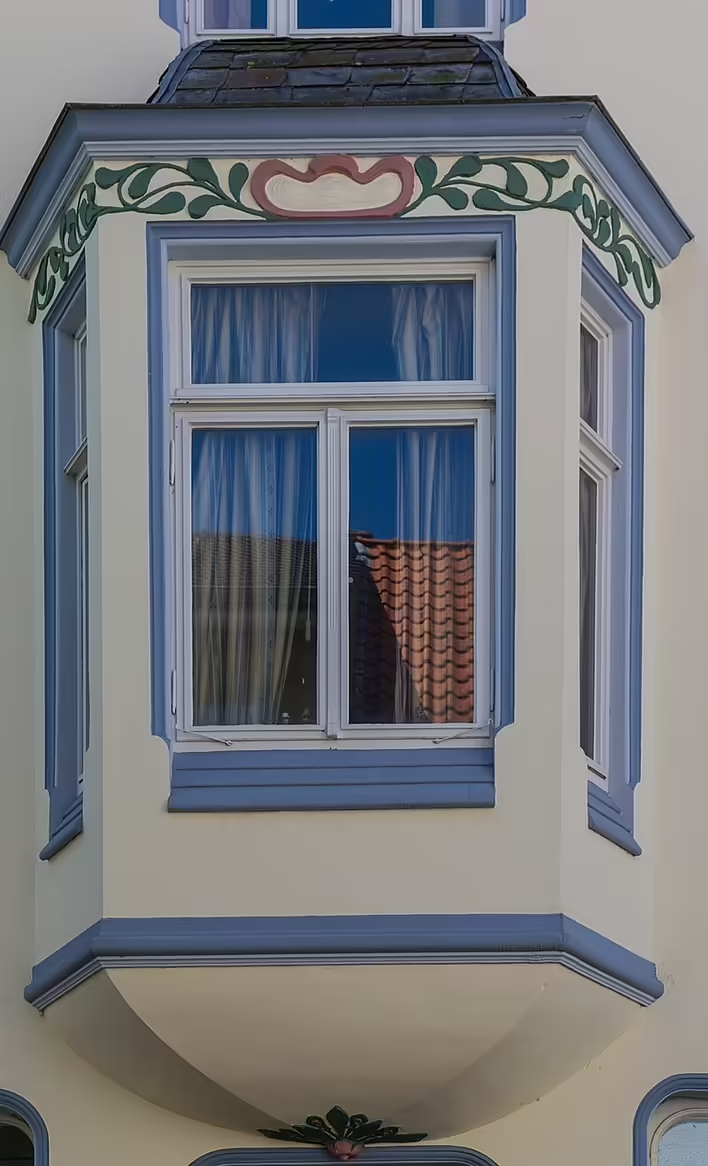
Bay window is a general term for all protruding window structures, regardless of whether they are curved or angular, or located on one or multiple floors.
“Rawashin” is a traditional and characteristic style of bay windows in Jeddah, Saudi Arabia (for example, as seen on the facade of the Nassef house).
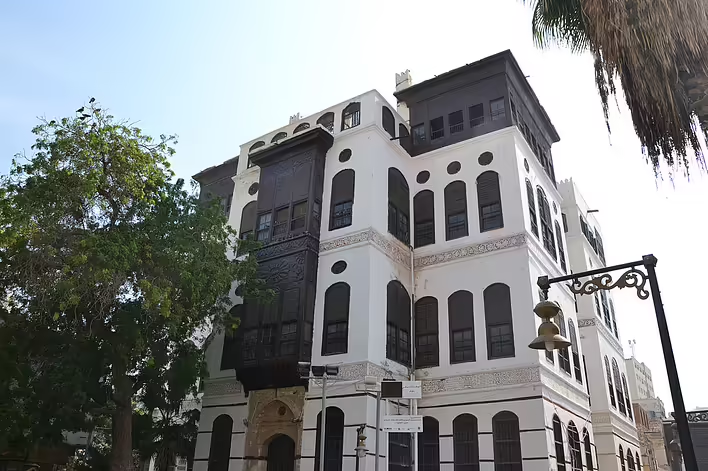
What is the history of bay windows in architecture?
The first protruding parts of walls similar to bay windows can be found in ancient Roman, ancient Greek, and ancient Egyptian structures. They could be used as seating areas or for observing the surrounding environment.
In medieval architecture, bay windows became a popular element in castles, fortresses, and townhouses. They were used to create viewpoints for observation and defense, as well as for additional space inside buildings.
In Renaissance and Baroque architecture, bay windows received luxurious applications in palaces, residences, and large houses of the aristocracy. They became symbols of wealth and status.
In the 19th century, bay windows gained great popularity in Victorian architecture. They were used as a way to add light and space to urban homes and country cottages.
In modern architecture, bay windows remain a popular element and are used in various types of buildings for different purposes.
Where and how are bay windows used today?
Bay windows are widely used in residential houses, apartments, hotels, guesthouses, office buildings, shops, restaurants, cafes, and other possible locations.
Bay windows remain an important element of architecture in modern buildings, adding comfort, aesthetics, and functionality to spaces and improving the quality of life for users.
Like it?React
🧵
This post doesn't have any additions from the author yet.