This content has been automatically translated from Ukrainian.
In Better architecture, a batter is the slope of a wall, structure, or earthwork that recedes. A wall that has a slope in the opposite direction is called overhanging. When used in fortifications, it can be referred to as a battered edge (the sloped edge at the base of a fortress wall).
The term is used for both building and non-building structures to define when a wall or element is intentionally built with a slope inward. A battered corner is an architectural feature that uses strong artillery bombardments. Batter is sometimes used in foundations, retaining walls, dry stone walls, dikes, lighthouses, and fortifications.
Other terms that can be used to describe battered walls include "tapered" and "expanded." Typically, in a battered wall, the cone creates a wide base to transfer the weight of the wall above, while the top gradually tapers to the thinnest part to reduce the weight of the wall below.
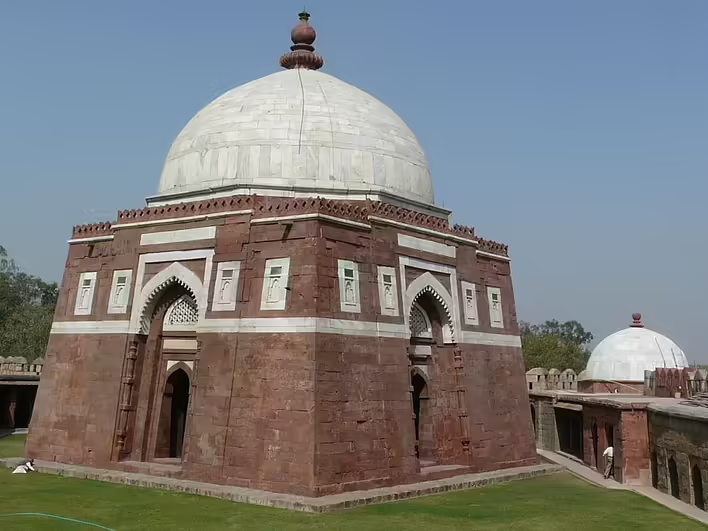
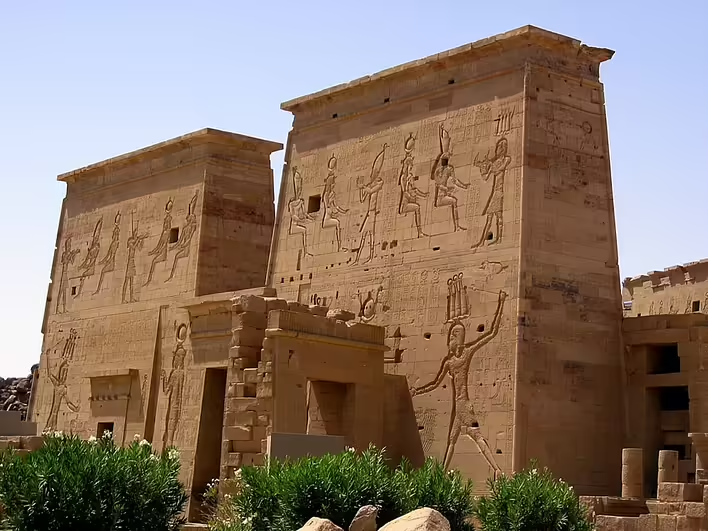
What functions does a batter (walls) perform?
- Battered walls can provide improved stability and strength to a building. They can be designed to optimize load distribution and provide greater resistance against external forces such as wind or earthquakes.
- Battered walls can be used to protect against erosion, especially on slopes or in areas with heavy rainfall. They can help divert water away from the building and prevent soil erosion.
- The slope of the walls can serve an aesthetic function, adding individuality to the building's appearance.
- Additionally, the slope of the walls can affect the internal spatial planning of the building, allowing for optimized use of space.
Where are battered (walls) used in architecture?
- Fortresses and defensive structures:
In defensive structures such as fortresses or walls, battered walls can be used to provide additional stability and defense against enemy attacks.
- Historical buildings:
In historical buildings and architectural monuments, battered walls can be used to create an authentic appearance, replicate architectural details, and preserve the historical character of the structure.
- Religious structures:
In churches, mosques, or other religious structures, battered walls can be used to create a massive and monumental appearance, enhancing the impression of strength and stability.
- Rural buildings:
In the architecture of rural buildings, farms, battered walls can be used to protect against erosion and create a traditional rural style.
- Modern buildings:
In modern architecture, battered walls can be used to create interesting architectural forms, experiment with space, and expressive architectural details.
Like it?React
🧵
This post doesn't have any additions from the author yet.