Al dente (Italian al dente, "to the tooth") is a culinary term that denotes the degree of doneness of pasta, rice, or vegetables. In a dish prepared using this technique, the product remains slightly firm on the inside, while appearing fully cooked on the outside. This approach to cooking ensures a slightly firm and intact texture of the food.
The advantages of cooking "al dente" go beyond texture. Dishes prepared according to this principle are:
healthier: due to less cooking, more vitamins and minerals are retained
richer: products retain their natural taste and aroma
more dietary: for example, pasta cooked al dente has a lower glycemic index, allowing you to feel full longer.
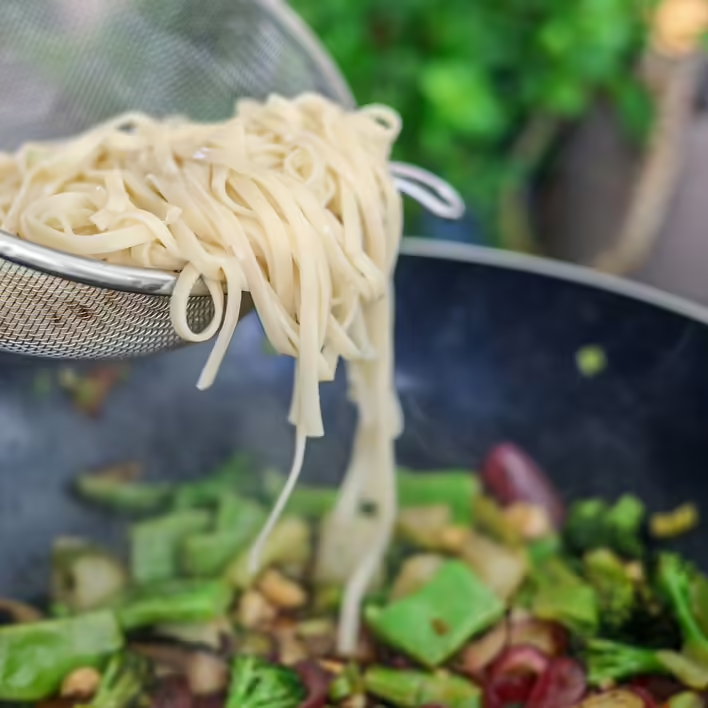
The term "al dente" was first used in Italy — a country where pasta is an important part of culinary culture. This is how these pasta products are most often prepared. "Al dente," or "to the tooth," aptly describes the meaning of the term: when tasting, the pasta slightly springs on the teeth, which feels like a slight undercooking. However, today, in addition to pasta, dishes such as spaghetti carbonara, risotto, lasagna, fettuccine, vegetables for salads or side dishes, some grains, and many other dishes and products are also prepared to the al dente consistency.
How to cook al dente
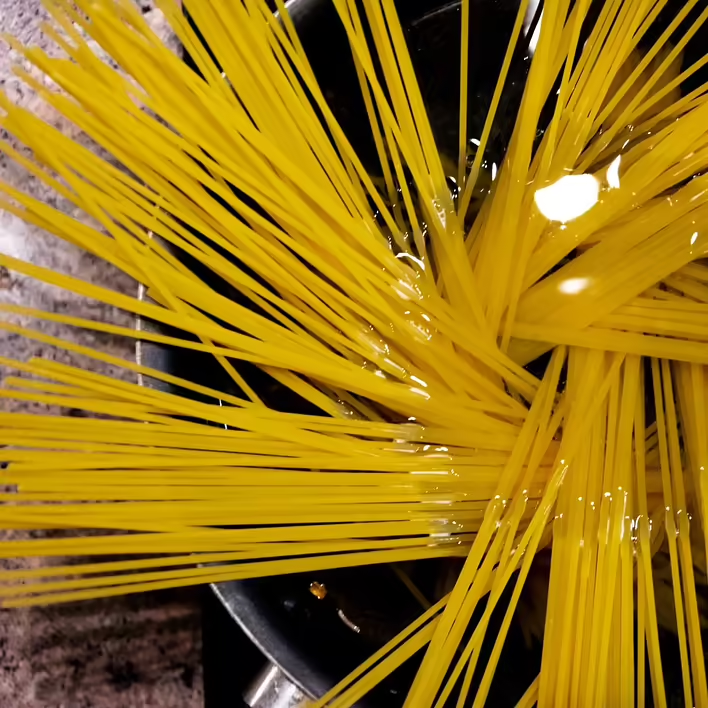
Pasta: it is important to adhere to the proportions of water and pasta. For every 100 g of pasta, use at least 1 liter of water. Add salt and bring to a boil. The pasta should be cooked for 1–2 minutes less than indicated on the package, and after that, drain the water and quickly cool it if further cooking (sautéing with sauces, etc.) is planned.
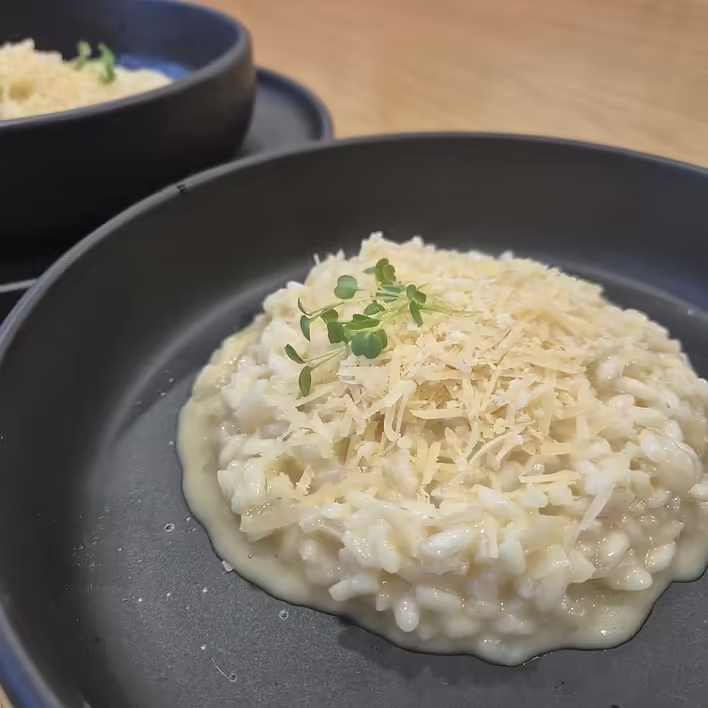
Rice: for making risotto, rice needs to be stirred constantly and broth added gradually. This way, the grains will remain slightly firm on the inside.
Різотто пармеджано. Рис арборіо зварений аль денте
Vegetables, such as broccoli or carrots, should be boiled or blanched to the stage where they remain crunchy. For carrots, this is about 20 minutes over medium heat, for broccoli – 5-7 minutes after boiling. After that, they should also be immersed in cold water to stop the cooking process. Cooking times for each vegetable can be found in culinary literature or on culinary websites. Or over time, we will write a separate post about cooking times for various vegetables to different consistencies ;)
Checking whether the products are cooked to the al dente consistency is very simple. To do this, you really need to try them "to the tooth":
for pasta: take one piece of pasta and bite into it. It should be soft on the outside but slightly firm on the inside. Visually, you can see a small white dot in the center
for rice: the grains should be separate and retain a slight firmness
for vegetables: taste them. They should remain crunchy but not raw.
Cooking dishes to the al dente consistency does not require special equipment. All you need are quality ingredients, precise timing, and a bit of practice. So don't be afraid to experiment, as this principle can elevate the taste of dishes to a new level!