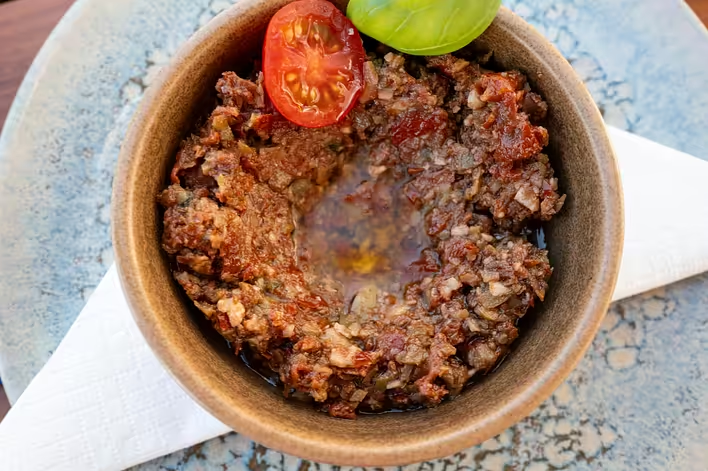
Among cold sauces, there are many favorites, but rémoulade holds a special place. This is a tangy sauce based on mayonnaise with the addition of herbs, spices, and salty ingredients. It is often compared to tartar sauce, as both have a similar protein base with a hint of acidity and a herbal aroma. However, rémoulade differs in its greater expressiveness and variety of variations.
A Bit of History
The origin of the sauce can be traced back to France in the 17th century. The name “rémoulade” comes from the Old French word ramolas, which translates to “radish.” This is explained by the fact that in the first recipes, grated radish or horseradish was used for spiciness. Over time, mayonnaise became the base, and the range of additions significantly expanded. This sauce quickly gained popularity in Europe and later in the USA, where it was adapted in Louisiana's Creole cuisine by adding mustard, chili pepper, and paprika.
How to Prepare Rémoulade
The classic version includes:
mayonnaise (preferably home-made) – this is the base of the sauce
anchovies or sardines (optional) for depth of flavor;
salt, pepper, lemon juice.
Everything is chopped and mixed until a homogeneous mass is achieved. Rémoulade is prepared quickly, but it reveals its best flavor after a few hours in the refrigerator.
Culinary Uses
Rémoulade is an extremely versatile sauce. It is most often served with:
In French cuisine, it is served as an accompaniment to cold appetizers, while in Creole cuisine, it is almost an essential sauce for po'boys (po'boy is a famous Louisiana sandwich with seafood, roast beef, vegetables, and a dozen variations of fillings).
Thus, rémoulade is a sauce that successfully combines classic European traditions with regional interpretations. Thanks to its flexibility, you can easily create your own version – from light and herby to spicy and tangy.
Share in the comments whether you knew what rémoulade sauce is, if you have tasted it, and if you have made it yourself ;)