This content has been automatically translated from Ukrainian.
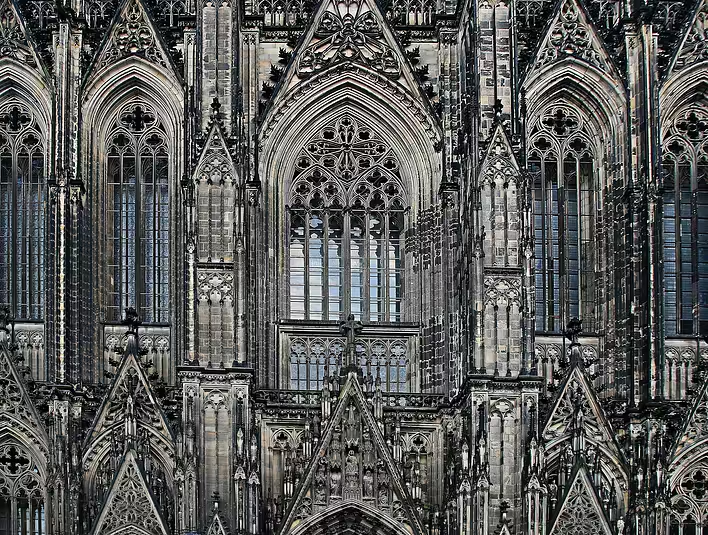
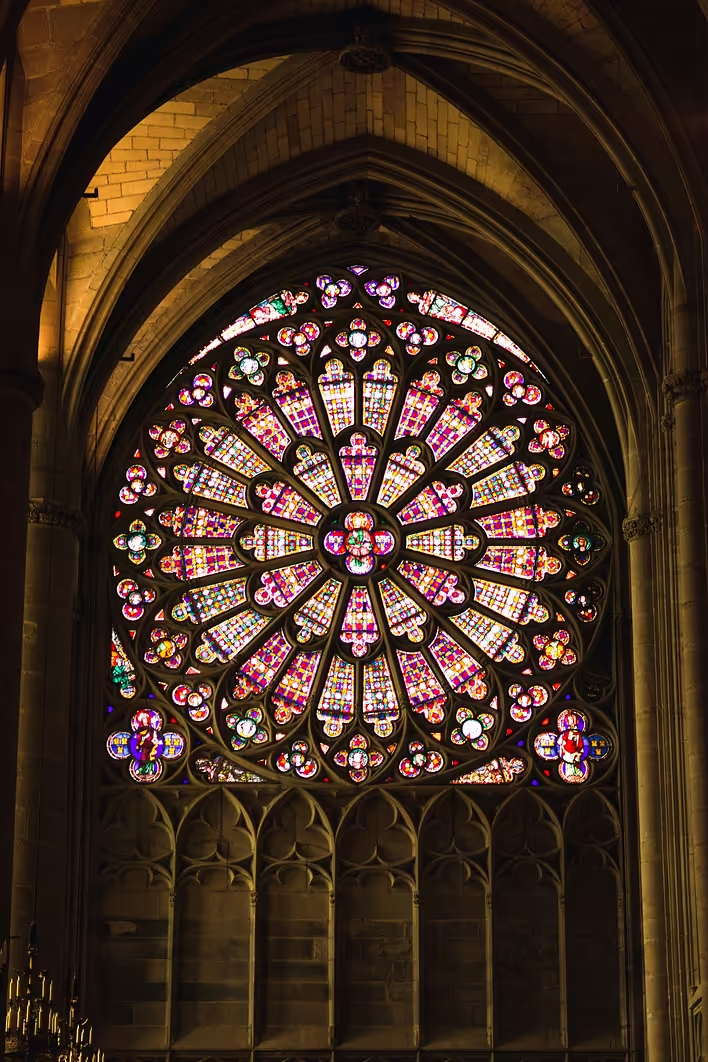
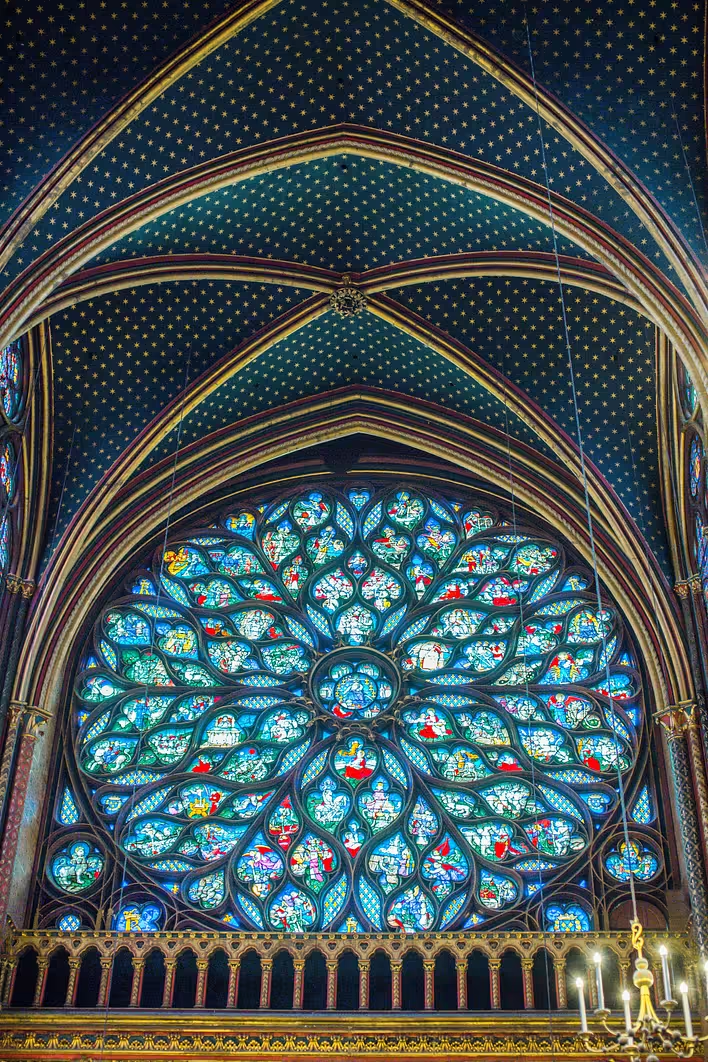
Rose window — one of the most recognizable elements of Gothic architecture. It is a large round window with intricate stone lace that resembles flower petals. It can be seen on the facades of medieval cathedrals, where it not only decorates the building but also fills the interior with colored light, creating an almost mystical atmosphere.
Origin and development
The first round windows appeared in ancient architecture, but they reached their true peak in the Gothic era (12th–16th century). It was during this time that craftsmen began transforming simple openings into complex decorative compositions of stone and glass.
With the development of construction technologies, rose windows became larger and more complex. In early Gothic, they were relatively simple, while in late Gothic they transformed into true works of art with dozens of details and complex symmetry, for which craftsmen used intricate mathematical calculations.
Architectural features
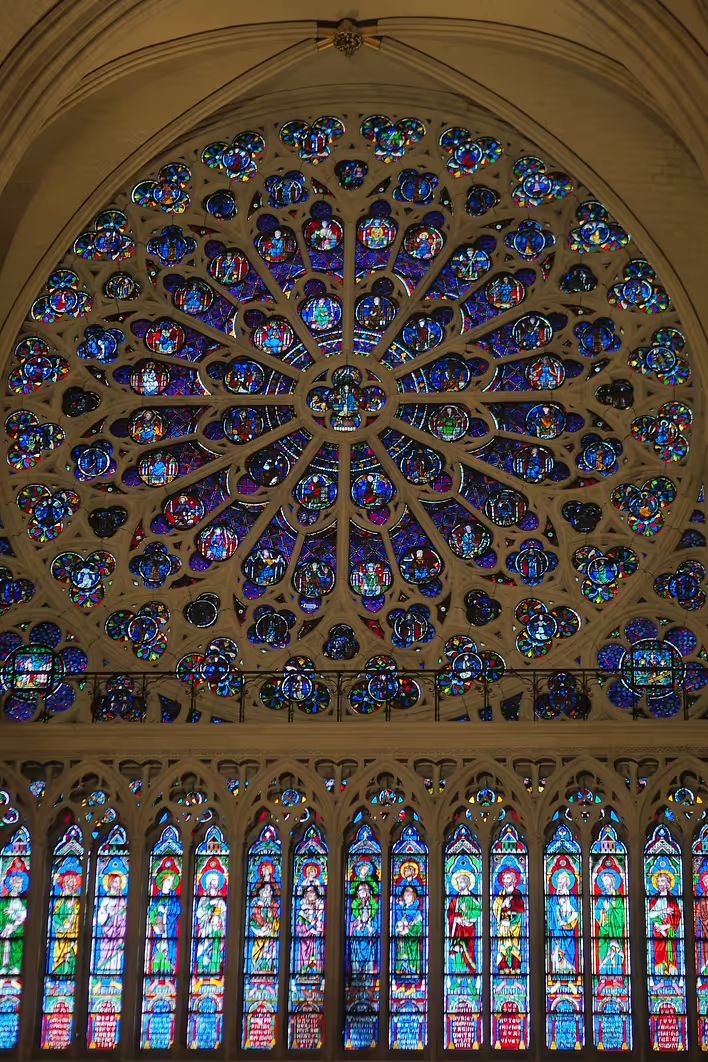
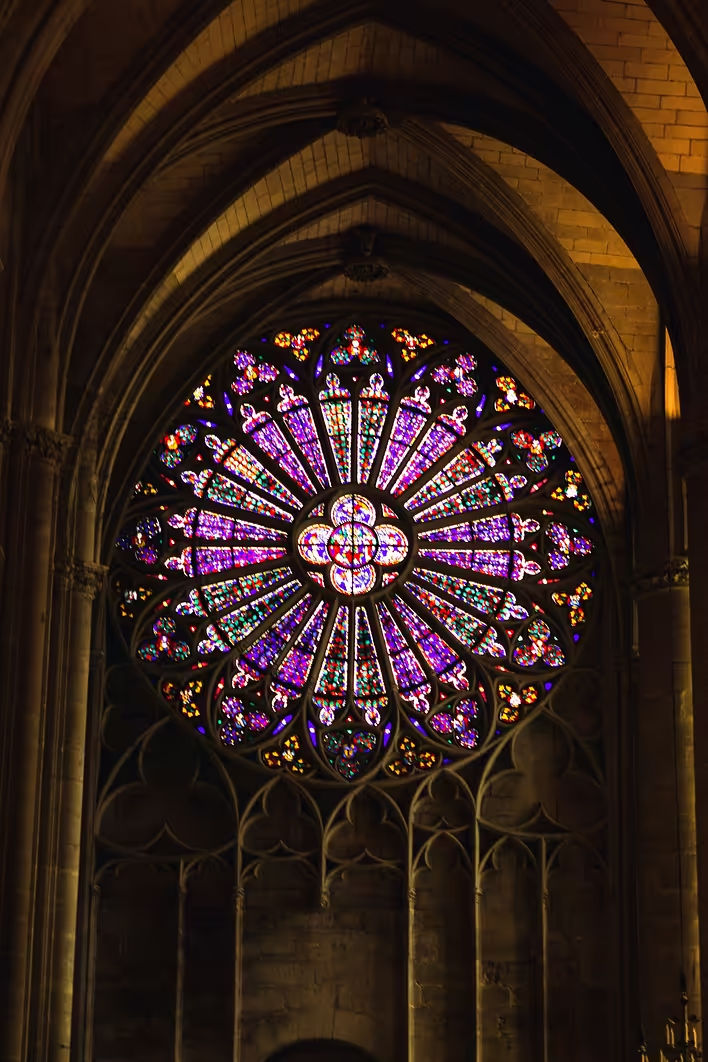
The main feature of the rose window is its radial structure. The stone elements (called tracery) radiate from the center to the edges, forming complex geometric patterns.
Typical features:
- circular shape, symbolizing eternity;
- symmetrical ornament;
- use of colored glass (stained glass);
- complex stone construction that holds the entire composition.
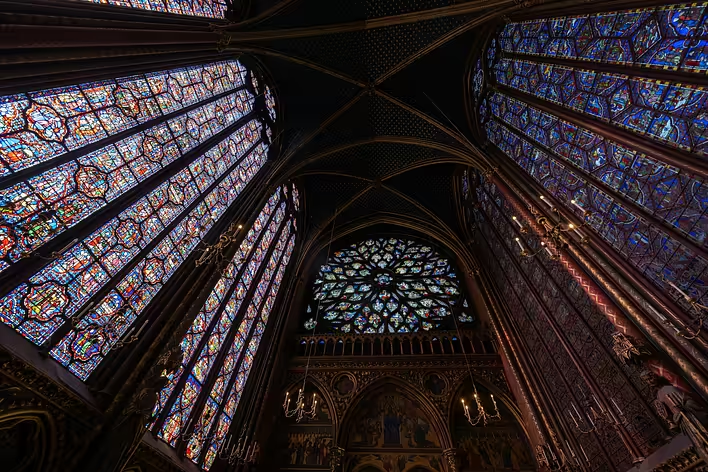
Stained glass in such windows often depicts biblical scenes, saints, or allegorical images. When sunlight passes through them, the interior of the temple is filled with colored rays, creating a special, almost unreal atmosphere.
Symbolism
The rose window has deep symbolic meaning:
- the circle embodies perfection and divinity;
- light represents the presence of God;
- the "rose" itself is often associated with the Virgin Mary, who in medieval tradition was called the "mystical rose."
Thus, it is not just a decorative element, but an important part of the conceptual filling of the temple.
Most famous examples
Some of the most beautiful rose windows can be seen in European cathedrals:
- Notre-Dame Cathedral — has three famous roses, each impressive in scale and detail.
- Chartres Cathedral — known for its well-preserved medieval stained glass.
- St. Vitus Cathedral — combines Gothic with later styles, and its rose window is a central element of the facade.
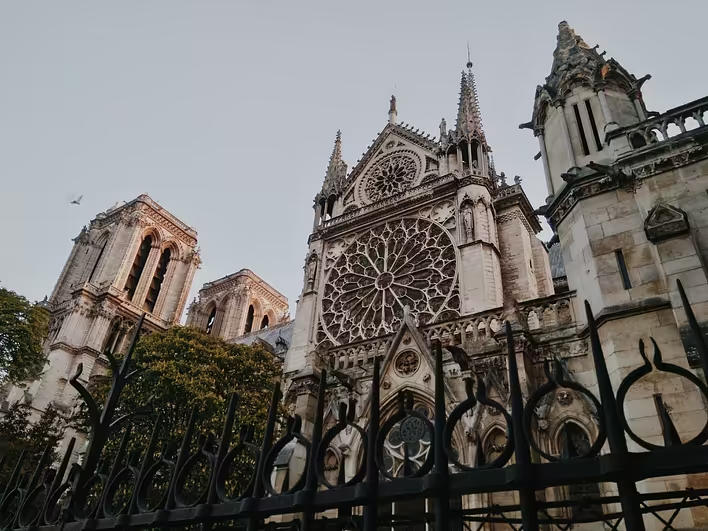
Today, this element can be found not only in ancient temples. Architects sometimes use its motifs in modern buildings, reinterpreting the classic form through new materials and technologies.
The rose window remains a symbol of harmony between art, mathematics, and faith — proof that even stone and glass can tell stories filled with light.
Like it?React
🧵
This post doesn't have any additions from the author yet.